Caleb Turner
I recommend establishing a firm routine for potty breaks. Taking your canine companion outside regularly can significantly reduce indoor accidents. Aim for trips outdoors first thing in the morning, after meals, and right before bedtime.
Utilizing positive reinforcement when your pet eliminates outside can create a strong association between outdoor potty time and rewards. Treats, praise, or a favorite toy as a reward can motivate your companion to avoid making a mess indoors.
Creating a designated indoor space can also help. Use gates or barriers to limit access to areas where accidents are likely to happen, like living rooms or bedrooms. This step, combined with close supervision, can curb undesirable behavior.


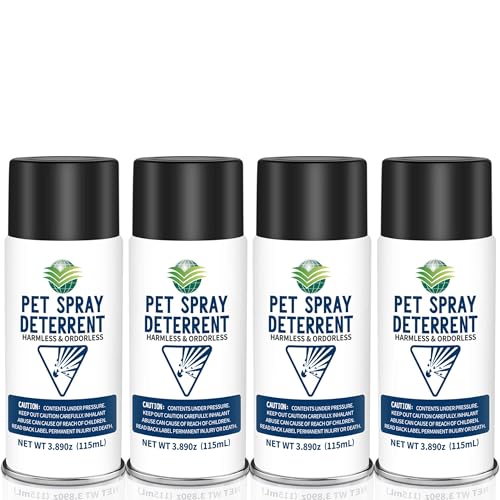
Lastly, consider using deterrent sprays on surfaces where your pet tends to mark. Many of these products are designed to discourage dogs from returning to those areas. Pairing this tactic with cleaning solutions that neutralize odors can make your home less appealing for indoor marking.
Preventing Accidental Marking Inside the House
Establish a designated elimination area outdoors, ensuring your pet understands where to relieve itself. Frequent visits and positive reinforcement can strengthen this habit.
Employ barriers like pet gates or baby gates to limit access to rooms with valuable items, minimizing opportunities for misbehavior.
Utilize positive reinforcement by rewarding your companion immediately after it eliminates outdoors. Treats or praise reinforces desirable behavior effectively.
Consider using enzyme-based cleaners to remove any lingering scent from previous accidents. This approach deters return visits to the same spot.
Provide ample outdoor potty breaks, especially after meals or play sessions. Monitoring scheduling creates a routine that reduces indoor incidents.
Train consistently using commands, encouraging your companion to indicate its need to go outside. Responses to cues can prevent unwanted accidents.
| Method | Description |
|---|---|
| Designated Potty Area | Establish a specific location outside for elimination. |
| Environmental Barriers | Use gates to restrict access to certain spaces. |
| Positive Reinforcement | Reward good behavior with treats or praise. |
| Enzyme Cleaners | Remove scents to discourage repeat behavior. |
| Routine Breaks | Schedule regular outdoor visits for relief. |
| Training Cues | Teach commands that signal the need to go outside. |
Understanding Why Male Dogs Mark Territory
Recognizing the underlying motivations for territory marking can significantly assist in addressing unwanted behaviors. Much of this behavior stems from instinctual drives linked to social communication and dominance. Rather than just a need to relieve themselves, they may be marking to assert control or express excitement.
Key Factors Influencing Territorial Marking
Several influences shape this action, including:
| Factor | Description |
|---|---|
| Age | Typically more pronounced in younger individuals, with maturity often leading to reduced frequency. |
| Hormonal Influence | Unneutered individuals may display heightened instincts, prompting more frequent marking behaviors. |
| Environmental Triggers | Presence of other animals, unfamiliar scents, or changes in routine can spark marking responses. |
| Stress Factors | New situations or disruptions can lead to anxiety-related marking as a coping mechanism. |
| Social Hierarchies | Marking often serves as a means to establish dominance or communicate status among peers. |
Addressing Marking Behavior
To manage this behavior, consistent training and reinforcement techniques are beneficial. Ensuring a calm environment can reduce anxiety, while regular exercise and stimulation redirect energy away from marking impulses. In certain cases, consulting a veterinarian about behavioral modification strategies or hormonal treatments may be necessary
Establishing a Regular Bathroom Schedule
I implement a bathroom routine that aligns with my companion’s natural needs. This involves setting specific times for outdoor breaks, typically after meals, during play, and before bedtime. Consistency in this schedule not only encourages timely potty habits but also reinforces the idea of proper elimination spots.
Timing and Frequency
I take my furry friend outside early in the morning, after every meal, and before sleep. For younger companions or those with smaller bladders, I offer opportunities every couple of hours during the day. This approach reduces the urge to mark inside, as they learn that outdoor trips correspond to relief.
Positive Reinforcement
Each time I see my pet eliminate outdoors, I praise them immediately. I use treats or affection as rewards, creating a positive association with going outside. This encourages a repeat of the desired behavior, reinforcing the link between outdoor breaks and relief.
Maintaining a predictable routine helps in establishing good habits, diminishing the likelihood of indoor accidents. By being attentive to cues and offering ample opportunities, I contribute to a peaceful home environment. Additionally, noting any behavioral changes can inform adjustments to our schedule as needed.
Choosing the Right Training Techniques
Select engaging methods that align with your pet’s personality. Positive reinforcement techniques, such as treats and praise, work effectively in encouraging desired behaviors. This builds trust and makes training enjoyable.
Consistency
Establishing a reliable training routine is fundamental. Make sure everyone in your household follows the same instructions and cues to avoid confusion. A consistent approach helps reinforce learned behaviors.
Distraction Techniques
Consider redirecting attention when marking occurs. Carry a noise maker or use an object that captures interest. This can shift focus away from inappropriate areas toward acceptable ones.
- Utilize clicker training to signal correct actions.
- Implement time-outs when marking attempts happen.
- Reward calm behavior in high-stress situations.
Engage with your companion through interactive toys to decrease boredom, which can lead to unnecessary marking. A tired pet is often calmer and more receptive to training.
Using Deterrents and Puppy Pads Effectively
Utilize commercial pet deterrent sprays on surfaces that attract unwanted marking. These products often contain scents that are unpleasant to canines, reducing the likelihood of them getting prompted to claim those areas. Apply the spray consistently, especially after cleaning the area to discourage future behavior.
Puppy pads serve as a useful training tool, especially for young canines adjusting to household routines. Position them near where your companion typically marks, gradually moving them to the door as they learn preferred elimination spots. Selecting pads with attractant scents can encourage usage and accelerate the training process.
Reinforce the positive behavior of using the designated areas by rewarding your companion with treats or praise immediately following a successful attempt. Establishing a clear connection between desired actions and positive outcomes aids in building a lasting routine.
Regular cleaning of soiled areas is vital. Use enzymatic cleaners that remove odors completely, preventing your companion from being drawn back to previously marked spots. Residual scents can signal to them that an area remains available for marking.
Using both deterrents and pads strategically can create an organized environment where your four-legged friend understands boundaries. Persistent application and reinforcement will yield noticeable improvements over time.
Creating a Designated Potty Area Outdoors
Establishing a specific outdoor spot for relief significantly improves behavior. Choose a consistent location that is easily accessible, away from distractions and noise. This designated area should be familiar and linked with positive experiences.
Include distinct surfaces like grass or gravel, as these can encourage the desired behavior. To make this area appealing, frequent visits during bathroom breaks help. After meals and naps are prime times for these outings. Praise or reward with treats when your pet uses the space appropriately reinforces the habit.
Keep the area clean and odor-free. Clean up immediately after use to avoid unwanted habits elsewhere. Regularly changing the environment, such as adding new scents or textures, can also maintain engagement and interest.
Consistent training and encouragement foster a strong association with this spot. Over time, your companion will understand that this is the right place for business, reducing the urge to mark indoors.
Implementing Crate Training Strategies
Introduce the crate as a safe haven for your companion. Select a size that allows them to stand, turn around, and lie down comfortably without excessive space, which can encourage elimination inside. Begin crate training gradually, making it a positive experience by placing treats and toys inside.
Establish a routine for crate time. Start with short periods, gradually extending the duration as they become accustomed to the space. Monitor their behavior, ensuring no distress signals like whining occur. If they do, let them out for a quick bathroom break before returning them inside.
Use the crate during moments of supervision, such as when leaving the house or while busy with tasks. This method reinforces the association of the crate with security, diminishing the likelihood of accidents elsewhere in the home.
Incorporate praise and rewards when they enter the crate willingly or remain calm. Positive reinforcement strengthens the behavior you want to encourage. Avoid using the crate as a punishment, as this can create negative associations.
Consistency is key. Maintain a set schedule for bathroom breaks to help them learn to control their urges. When they are outside, praise them immediately after successful elimination to reinforce this behavior.
Gradually increase their freedom as they demonstrate good habits, transitioning from the crate to more open spaces within the home. Continue monitoring their behavior to ensure they understand the boundaries set for them.
Seeking Professional Help When Needed
Consult a trainer with expertise in behavioral issues if challenges persist. Such guidance can offer targeted strategies that I may not consider alone.
Identifying Professionals
- Search for certified dog trainers or behaviorists through organizations like the Association of Professional Dog Trainers (APDT) or the International Association of Animal Behavior Consultants (IAABC).
- Check online reviews and testimonials for insights into their methods and success rates.
- Inquire about their approach to behavioral issues, ensuring it aligns with positive reinforcement techniques.
Understanding the Training Process
A professional assessment often reveals underlying causes of inappropriate elimination. This can include anxiety, marking behavior, or medical issues. Structured training programs may involve:
- Behavior modification plans tailored to individual circumstances.
- Consistent follow-up sessions to monitor progress and adjust methods.
- Guidance on creating a conducive environment for learning.
Utilize the insights gained from a professional to reinforce strategies at home. Maintaining open communication with the trainer regarding what works best can enhance the overall effectiveness of the approach.
FAQ:
What are some reasons male dogs might pee on furniture?
Male dogs may urinate on furniture for several reasons. One common cause is marking territory, which is an instinctual behavior, particularly in unneutered males. Stress or anxiety can also trigger this behavior, especially if there are changes in the household environment, like the arrival of new pets or people. Additionally, certain medical conditions may lead to increased urination, so it’s important to rule out any health issues with a veterinarian.
How can I train my male dog not to pee on furniture?
Training a male dog not to pee on furniture involves consistency and positive reinforcement. Designate a specific area for your dog to relieve himself and take him there regularly, especially after meals and playtime. If he attempts to pee on furniture, interrupt him with a firm “no” and redirect him to the designated area. Reward him with praise or treats when he goes outside. Establish a routine and be patient, as training can take time.
Are there any products that can help deter dogs from peeing on furniture?
Yes, there are several products designed to deter dogs from peeing on furniture. Enzymatic cleaners can remove the scent of urine, which may prevent repeat offenses. Additionally, there are repellents available that can be sprayed on furniture to discourage dogs from approaching those areas. Always ensure that any products used are safe for pets and do not cause any harm.
Could neutering help reduce my male dog’s tendency to pee on furniture?
Neutering can be beneficial in reducing or eliminating marking behavior in male dogs. This procedure decreases the production of testosterone, which often drives the instinct to mark territory. However, it is important to note that not all marking behaviors will stop with neutering, especially if the habit is well established. Consulting with a veterinarian can provide more insight into whether neutering is a suitable option for your dog.
What are some signs that my dog might be experiencing anxiety related to peeing on furniture?
Signs of anxiety in dogs may include excessive barking, hiding, pacing, destructive behaviors, and incontinence or urination inside the home. If your dog seems unusually clingy or fearful, these could also be indicators of stress. Observing your dog’s body language, such as tucked tails or flattened ears, can help identify feelings of anxiety. Addressing these issues may require behavioral training or even consultation with a veterinarian or animal behaviorist.
What techniques can I use to prevent my male dog from urinating on my furniture?
To prevent your male dog from peeing on furniture, consider several approaches. First, ensure regular bathroom breaks are scheduled. Take your dog outside frequently, especially after meals, playtime, and sleep. Positive reinforcement is key; reward him when he urinates outside. Supervision is also important—keep an eye on him indoors and redirect him promptly to an appropriate spot if he starts to mark. Cleaning any soiled areas with an enzymatic cleaner can remove the scent, discouraging repeat behavior. Additionally, you might want to limit his access to certain rooms or places where marking is a problem. Consider professional training or using deterrent sprays as a supplementary measure.