Caleb Turner
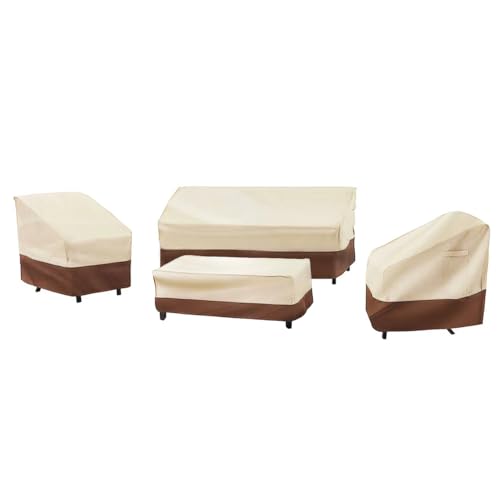
Covering outdoor seating is just the first step. Ensuring that these areas remain uninviting to unwelcome visitors requires strategic planning. I recommend using durable, weatherproof covers that tightly fit the furniture. This not only protects from the elements but also creates a barrier that is harder for pests to breach.
Regular maintenance of the surrounding area plays a significant role. Keeping the ground clear of debris and ensuring no leftover food sources like pet food or birdseed are accessible can deter furry intruders. I find that regularly cleaning the space, especially under and around the furnishings, minimizes attractive hiding spots.
Employing natural deterrents is another effective tactic. Strong-scented oils like peppermint or vinegar can be placed in small containers under the covers. I’ve noticed that these scents repel rodents and keep the area more pleasant for human use as well. Additionally, sealing any gaps in walls or bases of structures near the furniture provides an extra layer of protection against intruders.
Identify Common Entry Points for Rodents
Inspect all openings in the structure surrounding the area–this includes gaps in walls, windows, and any foundation cracks. I pay particular attention to areas where utility lines and pipes enter to highlight potential vulnerabilities.
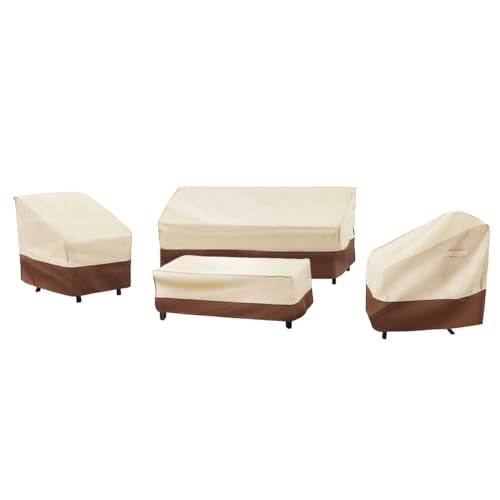

Examine drainage systems and vents; these can serve as direct access routes. I recommend covering vents with fine mesh screening to minimize risks.
Check furniture seams and zippers. Often, small spaces in cushions or coverings can be exploited. Reinforcing seams with durable fabric helps deter entry.
Evaluate storage locations. Items stacked against walls can create hidden spaces. Keeping storage organized and elevated limits shelter opportunities.
Investigate the ground level around the area. Often, outdoor debris, wood piles, or dense vegetation can provide highways for invaders. Maintaining a clear perimeter significantly reduces accessibility.
Choose the Right Materials for Patio Furniture Covers
Opt for heavy-duty materials like polyester or vinyl. These fabrics effectively resist wear and tear, creating a deterrent against rodents. Breathable materials help prevent moisture buildup, reducing the chances of mold and mildew that might attract unwanted visitors.
Durability Comparison
| Material | Durability Rating | Water Resistance | Breathability |
|---|---|---|---|
| Polyester | High | Moderate | Good |
| Vinyl | Very High | High | Poor |
| Canvas | Moderate | Moderate | Excellent |
Select materials with UV protection to prevent fading and deterioration from sun exposure. This choice not only extends the lifespan of your covers but also ensures they maintain their functionality in blocking entry points for critters.
Additional Features
Consider covers that include drawstrings or adjustable straps. These features allow a snug fit, reducing the chance of gaps that could welcome intrusions. Opt for colors that blend with the surroundings, as this can create a less attractive environment for pests.
Implement Natural Deterrents Around the Furniture
Using natural remedies is an effective strategy to shield outdoor seating from unwanted visitors. Here are several approaches that work well:
Herbs and Plants
- Peppermint: Placing peppermint oil-soaked cotton balls or planted peppermint around the area can repel rodents due to its strong scent.
- Lavender: This fragrant herb not only adds aroma but also deters pests. Plant lavender nearby or use dried lavender sachets.
- Rosemary: Another aromatic herb that can discourage intruders. Use fresh or dried rosemary branches for optimal effectiveness.
Natural Repellents
- Essential Oils: Using a mix of eucalyptus, citronella, and tea tree oils diluted in water can create a potent deterrent spray.
- Hot Pepper Spray: Combine hot pepper flakes with water and spray around the edges of the area to create an unfavorable environment for unwanted guests.
- Vinegar Solution: Mixing equal parts of vinegar and water can make for a strong spray that discourages certain types of rodents.
Implementing these natural methods will create a less inviting space for intruders, making it a more pleasant area for leisure activities.
Utilize Mice-Proof Storage Solutions
Invest in airtight containers made from durable materials. Clear plastic bins with snap-on lids are excellent for storing cushions and accessories, ensuring that no food particles attract any unwanted visitors.
Install shelving units in a way that elevates items off the ground. This creates a barrier that prevents easy access and reduces the chances of any critters finding a warm place to nest.
Consider using metal storage chests, as they are more resistant to gnawing. These chests can be locked, providing an additional layer of security against intruders.
Vacuum-seal bags can also be a smart choice for storing fabrics. They minimize space and keep textiles free from moisture, which might be appealing for pests.
Don’t forget to keep the surrounding area tidy. Regularly dispose of debris, leaves, or leftover food near storage solutions to eliminate possible attractions for rodents.
Regular Maintenance and Inspection of Furniture
I regularly check all outdoor seating and tables for signs of wear and tear. A comprehensive inspection should include examining seams, joints, and the underside where dirt and debris can accumulate, providing a potential nesting environment.
I address any scratches or cracks immediately, applying appropriate sealants or paints to protect the material from moisture and pests. At least once a season, I clean the surfaces with a multi-surface cleaner to eliminate food residues and attractants, fostering an inhospitable environment for uninvited guests.
Additionally, I rotate covers and remove them periodically to allow airflow, preventing mold and mildew buildup. I inspect cover materials for any holes or weaknesses, promptly replacing damaged covers to maintain a proper barrier against unwanted visitors.
By adopting a routine that includes these maintenance practices, I can effectively diminish the risk of infestations in my external living spaces.
Place Traps Strategically Near Patio Areas
Positioning traps around outdoor seating can be a high-impact strategy. Here’s how I optimize their placement:
- Identify high-traffic zones. Watch for signs of activity such as droppings or gnaw marks to determine where the creatures are most active.
- Set traps along walls and fences. These areas provide natural pathways for critters and increase the chance of capturing them.
- Use bait wisely. Peanut butter, seeds, or dried fruits attract rodents effectively. Apply the bait sparingly to encourage frequent visits to the traps.
- Consider the environment. Place traps away from food sources or water to avoid attracting additional wildlife that could deter unwanted visitors.
- Monitor trap placements regularly. Adjust locations based on capture rates to enhance effectiveness over time.
Enhancing the probability of success means being proactive in trap management. Proper location and bait choice can lead to a significant reduction in unwanted guests near my outdoor seating arrangement.
Limit Food and Water Sources in Outdoor Spaces
To deter unwanted visitors, eliminate any potential food and water supplies in your outdoor areas. Start by securing trash bins with tight-fitting lids to prevent scavenging. Regularly clean eating spaces and remove any food remnants that may attract animals. Store pet food inside sealed containers rather than in open bags.
Check for overripe fruits or vegetables around gardens and promptly collect any fallen produce. Bird feeders can also attract critters; consider using squirrel-proof models and ensure they are cleaned regularly. Water dishes for pets or plants should be emptied frequently, particularly during dry seasons. Make sure to address any leaks from hoses or sprinklers that could create puddles.
Maintain an Organized Outdoor Environment
Keep storage areas tidy and free from clutter. Regularly inspect your outdoor spaces for items that may collect moisture, such as overturned pots or old furniture. Remove any debris, like leaves or twigs, where moisture could accumulate, creating a breeding ground for pests.
Create an Unwelcoming Atmosphere
Add natural deterrents such as herbs or plants with strong scents like lavender or mint near your outdoor seating areas; these can help mask food odors. Additionally, consider using essential oils like peppermint around the perimeter to further discourage visits from small mammals.
Seek Professional Help for Persistent Infestations
If the problem continues despite your efforts, engaging pest control specialists becomes necessary. Trained experts can assess the situation accurately and provide effective solutions tailored to the specific environment.
Identification and Solutions
They can identify hidden nests or entry routes that may not be visible during casual inspections. Implementing specialized traps, baits, or repellents can significantly reduce the population when DIY methods fall short.
Long-Term Strategies
Consultation with professionals can also lead to implementing long-term prevention measures, including structural modifications to prevent future incursions. Regular follow-ups ensure that the space remains animal-free.