
 Caleb Turner
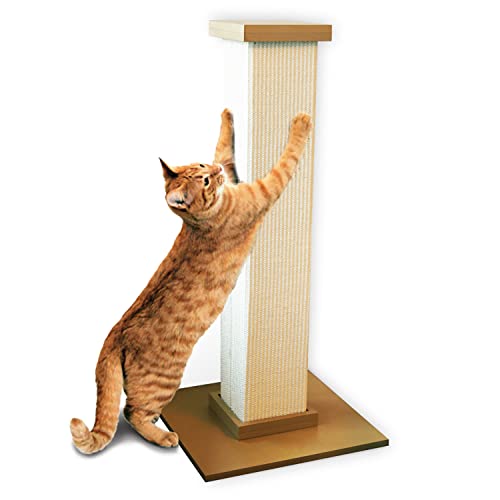
Providing alternative scratching options is a straightforward solution that significantly reduces damage to your belongings. I recommend investing in a variety of scratching posts and pads made of different materials like sisal, cardboard, or carpet. Placing these near your cat’s favorite lounging areas attracts their attention and encourages natural behavior in an appropriate setting.
Utilizing deterrents can further aid in protecting your home. Spraying surfaces with a bitter-tasting agent can discourage engagement, while double-sided tape applied to affected areas creates an unappealing texture. Additionally, using essential oils such as citrus or eucalyptus (always ensuring they are non-toxic) can help in repelling your pet from specific spots.
Regularly trimming your feline companion’s claws is another practical step. Keeping their nails short not only minimizes potential damage but can also make scratching less satisfying for them. Using scratch-resistant covers or protective furniture pieces can provide an extra layer of security while they adapt to new habits.
Engagement through play is essential; interactive toys and regular playtime can redirect their energy away from your belongings. By keeping their focus and challenging them mentally and physically, you can substitute unwanted behavior with fun activities that enrich their lives.
Strategies for Minimizing Damage to Your Belongings
Invest in a variety of scratching posts or pads, made from different materials like sisal, cardboard, or carpet. Place them strategically around the living area to attract attention.


- Encourage interaction by using catnip or toys near these surfaces.
- Experiment with different heights and shapes to find what piques their interest.
Employ deterrents on surfaces you want to protect. Double-sided tape or specialized sprays can help create an unpleasant texture or scent, discouraging your pet’s affinity for certain areas.
Redirect attention with interactive play sessions, using feather wands or laser pointers to engage them physically. This can help satisfy their need for exercise and keep them away from your possessions.
Regular nail trimming is vital. Keeping nails short reduces the damage potential when they do engage in scratching. Monitor their grooming habits to maintain this practice.
- Establish a routine for clipping nails at least every two weeks.
- Use treats or praise to associate this activity with positive outcomes.
Consider providing a designated area to indulge their instincts. A cozy corner with appropriate materials can serve as an alternative haven, reducing the inclination to target your items.
Consistent reinforcement, such as applauding desirable behavior, significantly aids in shaping habits. Acknowledge them when they use appropriate surfaces to create positive associations.
Incorporating these strategies will create an environment that respects your belongings while allowing your companion to express their natural tendencies in a more suitable manner.
Choosing the Right Scratching Post
Selecting a suitable scratching post is pivotal. A sturdy option with varied textures can attract attention more effectively. Look for materials like sisal, carpet, or cardboard; they can satisfy your feline’s instinct to scratch.
Size Matters
Ensure the post is tall enough for your pet to stretch fully. A height of at least 24 inches is ideal, allowing for a good stretch. Stability is key; choosing a wider base prevents tipping during use.
Variety of Designs
- Vertical Posts: Great for stretching and climbing. They should stand firm and offer a rough surface.
- Horizontal Scratchers: Useful for those who prefer scratching while lying down. These can often fit beneath furniture.
- Integrated Cat Trees: Multifunctional options that provide a scratching surface and a resting area. They often engage your pet longer.
Placement is equally crucial. Position the post in a high-traffic area or near favorite resting spots. This ensures it becomes a focal point in your home. Frequent use will become routine with the right setup.
Using Cat Deterrent Sprays
Opt for cat deterrent sprays that contain citrus or herbal scents. Cats typically dislike these fragrances, making them effective in discouraging unwanted behavior on surfaces. Brands like Bitter Apple or PetSafe have formulations designed specifically for this purpose.
Application Techniques
Apply the spray generously to the areas where scratching is frequent, ensuring the surface is clean and dry beforehand. Reapply every few days or after cleaning the area to maintain its effectiveness. Gradually introduce the kitten to new scratching options by spraying them with the deterrent, creating a contrast between desirable and non-desirable surfaces.
Observing Reactions
Monitor the reaction closely. If additional methods are necessary, consider combining the spray with positive reinforcement for using the appropriate scratching post. This dual approach can help redirect focus and minimize damage to your belongings.
Training Techniques for Kittens
Employing clicker training can significantly enhance behavioral patterns. Associating a click sound with positive experiences encourages desired actions, like playing with toys instead of household items. Keep sessions short, around five minutes, to maintain focus and interest.
Utilizing treats as motivation works wonders. Rewards should be given immediately after the desired behavior occurs. This reinforces the connection between the action and the reward, helping young felines grasp what is expected.
Redirecting attention is another useful tactic. When a young cat approaches a piece of furniture, offer a toy or engage in playtime. This diverts their focus and teaches them appropriate items to scratch or play with.
Consistency in commands is key. Use the same word or phrase each time a specific behavior is desired. Repetition helps build understanding and recognition, making the learning process smoother.
Creating a positive environment is crucial. Ensuring that your space is filled with stimulating toys and outlets for energy can reduce the likelihood of destructive habits. Interactive playtime also serves to strengthen the bond between you and your pet, making training more effective.
Observation plays a significant role in identifying triggers. Noting when and where your feline tends to engage in unwanted activities allows for a proactive approach. Addressing these triggers can prevent negative behavior before it starts.
Introducing safe alternatives is essential. Provide scratching pads or other surfaces as suitable options, giving your companion a legal place to satisfy their instincts. Offering variety can also keep interest piqued.
Patience and understanding are critical throughout the training process. Young animals may not learn instantly, and setbacks may occur. Remaining calm and supportive fosters a trusting environment, encouraging growth and development.
Redirecting Clawing Behavior
Provide enticing alternatives to your little one’s natural urge to scratch. Offering a variety of scratching structures can redirect their attention and preserve your belongings.
- Choose different textures: Use posts covered in sisal, carpet, or cardboard. Each surface may appeal differently.
- Vary heights and styles: Offer vertical and horizontal options. Some may prefer a tall post, while others might enjoy flat surfaces.
- Incorporate enticing features: Consider scratching items with attached toys or catnip to attract interest.
Reinforce positive behavior by applauding your pet when they engage with the designated items. Use treats or affection as rewards to build a connection between scratching in the right spots and positive experiences.
- Place rewards near the scratching item initially to create an association.
- Gradually move treats closer to the furniture as your pet learns to engage with the scratching post.
Create a playful environment by playing with your furry companion around the scratching post. Engage them in activities that encourage climbing and scratching, which can replace unwanted behavior.
- Interactive toys can stimulate their interest in using the scratching structures instead of your belongings.
- Rotate toys regularly to maintain interest and excitement during playtime.
Regularly reposition the scratching posts to areas where your little one spends time, increasing the likelihood they will use them. Make sure to leave them in sight, as visibility plays a major role in attracting their attention.
Providing Alternatives for Scratching
I recommend placing multiple scratching surfaces throughout your living space to divert attention away from valuable items. These surfaces can include various materials like sisal, cardboard, or carpet, catering to different preferences. Ensure they are sturdy enough to withstand vigorous use without tipping over.
Creating a designated play area will encourage exploration and interaction with appropriate scratching options. Incorporate climbing structures or towers, which also serve as scratching surfaces. The elevation can attract a curious pet, providing both exercise and a place for scratching.
Engaging your feline companion with catnip-infused scratching posts can enhance interest. The scent naturally attracts cats, making them more likely to use the post rather than targeting furniture. Regularly rotate these posts or add various textures to maintain novelty and intrigue.
Using interactive toys nearby can also help redirect energy towards acceptable surfaces. By combining play and scratching, I found that my pet’s urge to damage furniture significantly decreased. Continuous engagement ensures they remain focused on appropriate outlets.
Lastly, consider rewarding positive behavior. Whenever I observe my furry friend using scratching alternatives, I provide treats or praise. This reinforces their inclination toward designated items and further discourages unwanted habits.
Protecting Furniture with Covers
Investing in protective covers for your sofas and chairs can significantly reduce the likelihood of damage from feline claws. Look for durable, machine-washable options that fit snugly over your pieces. Materials like microfiber or faux leather are resistant to tears and scratches.
Consider slipcovers that are designed for easy removal and cleaning. These not only shield the underlying fabric but also allow for quick maintenance after accidents. Make sure to choose colors or patterns that blend seamlessly with your decor.
For added protection, explore products like furniture wraps or padded protectors. Some options are designed to adhere securely, which can deter scratching by making surfaces less appealing. Ensure that the covers do not create any hazards for your pet.
Test different types of covers to see which ones withstand your feline’s attempts. Regularly inspect the condition of your protective gear and replace it as needed to maintain effective safeguarding of your belongings.
Understanding Your Kitten’s Clawing Instincts
Recognizing natural tendencies can make a significant difference in managing behavior. Cats instinctively scratch to maintain their claws, stretch their bodies, and mark territory. Offering appropriate outlets for these instincts reduces unwanted actions.
Physical Benefits
Clawing serves as a form of exercise. It assists in muscle development and flexibility while allowing them to work off pent-up energy. Provide various surfaces for scratching which can cater to these physical needs, ensuring they remain active and healthy.
Environmental Enrichment
Understanding your pet’s surroundings is key. Incorporating elements such as climbing structures and various textures encourages exploration, minimizing the appeal of household items. By diversifying their environment, I have found it aids in redirecting focus away from inappropriate targets.
| Instinct | Impact on Behavior |
|---|---|
| Claw Maintenance | Promotes healthy claws and reduces stress. |
| Territory Marking | Creates a familiar environment, establishing comfort. |
| Exercise | Alleviates boredom and encourages playfulness. |
Implementing strategies to cater to these instincts supports a more harmonious living space. By recognizing and fulfilling these natural behaviors, I’ve noticed a considerable improvement in my pet’s overall happiness and well-being.
Establishing a Routine for Claw Maintenance
A consistent schedule helps maintain your pet’s claws and prevents undesirable behaviors. Set specific times several times a week for nail trimming. Regular intervals, such as every two weeks, ensure that their claws don’t become overly sharp or long, reducing the temptation to scratch more than necessary.
Daily Activities to Include
Incorporate several play sessions throughout the day. Interactive toys stimulate engagement and offer plenty of exercise. Include scratching posts or pads in designated areas during playtime to naturally redirect their focus. Creating a structured play routine can minimize scratching on inappropriate surfaces.
Scheduling Claw Care
| Day | Activity |
|---|---|
| Monday | Nail trimming |
| Wednesday | Play session + scratching post engagement |
| Friday | Nail trimming check |
| Saturday | Interactive play + treat rewards |
Review and adjust this schedule based on your observations of their claw maintenance needs. Be mindful of potential signs of discomfort; if adjustments are necessary, make them promptly. Keeping track of their progress helps in developing an effective routine tailored to their specific needs.


