Caleb Turner

A non-slip rug pad is one of the simplest and most effective solutions to prevent movement of items placed on hardwood surfaces. These pads create an additional layer of grip between the rug and the flooring, significantly reducing the chances of sliding. Choose a pad that is specifically designed for hardwood, as it will protect the surface from scratches while providing the necessary friction.
Applying rubber or silicone feet to the legs of heavy items can greatly enhance stability. These materials provide extra grip without causing damage to the flooring. Ensure the feet are made from soft rubber to avoid scratches while ensuring firm contact with the ground.


Using adhesive traction strips is another viable option. These strips can be cut to size and applied directly to the base of items. They create a strong bond with the surface, minimizing unwanted movement during daily activities.
Consider rearranging the layout to add stability. Placing heavier items against walls or corners can help anchor them in place. Additionally, grouping smaller pieces together can reduce their likelihood of shifting.
Understanding the Causes of Slipping Furniture
To mitigate unwanted movement, I focus on several key factors. The primary cause often lies in the interaction between the underlying surface and the base of the item in question. A polished, smooth surface tends to reduce friction, making stability a challenge.
The weight distribution of the object plays a critical role. Uneven weight can lead to a tipping effect, causing the piece to shift more easily. Additionally, fabric choice for sofa or chair legs affects grip; certain materials provide better traction than others.
Humidity and temperature fluctuations can also change the behavior of materials, impacting grip. For instance, a dry season may lead to more slipping due to reduced moisture on the floor, whereas humidity can cause wood to expand, altering surface characteristics.
Lastly, the design of the legs or base of the item can contribute to stability issues. Wider bases often provide more contact area, which helps prevent unwanted movement. Understanding these various aspects allows me to address slip problems effectively.
Choosing the Right Furniture Pads for Wood Floors
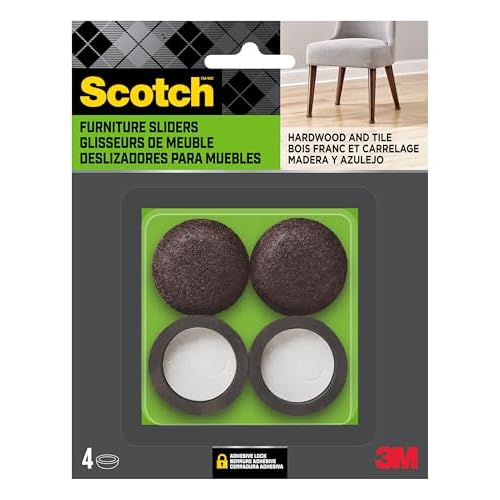
Selecting appropriate protective pads is critical for maintaining stability on polished surfaces. Opt for felt or rubber materials, as both provide excellent grip and minimize damage. Felt pads work well under heavier items because they distribute weight evenly, while rubber types are ideal for lighter pieces as they create more friction.
Types of Pads to Consider
| Pad Type | Best For | Pros | Cons |
|---|---|---|---|
| Felt | Heavy furniture | Soft on surfaces, weight distribution | Can wear down quickly |
| Rubber | Lightweight items | Strong grip, durable | Can leave marks on certain finishes |
| Plastic | Mobility | Ease of movement | Less friction, potential slipping |
Matching Pads with Your Decor
Select a color or style that complements your environment. Many pads come in various finishes, allowing compatibility with diverse aesthetics. Also, consider durability; investing in higher-quality pads may prove more cost-effective in the long run as they resist wear and tear better.
Periodically check the condition of the pads and replace them as needed to ensure optimal protection and performance. By making informed choices on pad selection, achieving stability and beauty in your space becomes straightforward.
Applying Non-Slip Coatings to Furniture Legs
Non-slip coatings are an effective solution for enhancing the stability of items on smooth surfaces. I recommend selecting a high-quality polyurethane or rubber-based coating to create a grippy finish on the legs of your seating and tables. These materials bond well to various surfaces and resist wear and tear, maintaining their effectiveness over time.
Application Guidelines
Ensure the surfaces of the legs are clean and dry before applying any coating. Lightly sanding the area can improve adhesion. Follow the product instructions carefully, usually involving:
| Step | Description |
|---|---|
| 1 | Prepare the area by cleaning and sanding the leg surfaces. |
| 2 | Apply an even coat of the non-slip material using a brush or spray. |
| 3 | Allow the coating to dry completely as specified on the product label. |
| 4 | Apply a second coat if needed for additional grip and protection. |
Maintenance and Longevity
To ensure the longevity of the non-slip application, regularly inspect the legs for wear and reapply as needed. Avoid excessive moisture, as it can degrade the coating. Keeping these surfaces free from debris will also enhance their effectiveness.
Utilizing Area Rugs to Prevent Movement
Area rugs provide an effective means to anchor items in place on smooth surfaces. By selecting the right rug, I can create a friction barrier that prevents unwanted shifts. Look for materials with a non-slip backing or a rubberized underside, as these enhance grip and stability, ensuring that both the rug and what’s placed on it stay stationary.
Choosing the Right Size and Placement
It’s crucial to choose an appropriately sized area rug. Ideally, the rug should extend beyond the edges of the seat or table legs. This placement not only enhances aesthetics but also increases the surface area that interacts with the ground, thereby reducing movement. If I have larger pieces, like sofas, I strive to position the front legs on the rug while leaving the back ones off, providing a balance that stabilizes the entire seating arrangement.
Maintenance and Regular Adjustments
I pay attention to the rug’s position over time. Regularly checking that it hasn’t shifted is key; minor adjustments can make a significant difference. Vacuuming is not just for cleanliness but also ensures that the rug remains flat against the floor, minimizing any bumps where items could slip off. Additionally, when washing the rug, it’s important to allow it to dry completely before putting it back in place, maintaining its grip on the ground.
Adjusting Furniture Layout for Stability
Positioning items with care is crucial. Ensure heavier pieces are placed closer to the walls or corners. This reduces movement risk and increases stability.
Consider using a triangular arrangement for lighter items. This setup not only enhances aesthetics but also minimizes the chance of toppling.
Here are specific strategies to follow:
- Place sofas and larger units against the wall.
- Group smaller elements together to create a stronger base.
- Ensure that the distances between pieces allow for ease of movement without compromising balance.
Evaluate pathways around the room. Maintain clear, unobstructed areas to prevent accidental nudges and potential shifts. If there’s enough space, create zones for seating and other activities to reduce the likelihood of collision.
Regularly assess the arrangement. If items shift over time, it may be worth adjusting their positions or swapping out pieces to ensure they remain secure.
Leveraging Anti-Slip Mats under Furniture
Place high-friction anti-slip mats under each piece of your seating or table arrangements. These mats are designed specifically to grip both the underside of the item and the surface, providing increased stability and reducing unwanted movement.
Select mats made from durable rubber or felt, as these materials offer excellent traction. Ensure the mats are thick enough to absorb the weight of the furniture above while maintaining a low profile to avoid tripping hazards.
Regularly clean the mats along with the floor to prevent dust and debris buildup, which may reduce their effectiveness. Check periodically to ensure that the mats remain in place; adjust or replace them if necessary to maintain optimal grip.
Consider using adhesive or double-sided tape as an additional layer of security, especially for larger or heavier pieces. This combination can greatly minimize any chance of sliding, ensuring a safer and more stable environment.
Regular Maintenance to Ensure Grip
Periodic inspection of the underside of each piece is advisable to maintain stability. Check for any debris, dust, or dirt that may compromise traction. Regular cleaning with a damp cloth helps eliminate these disruptors.
Routine Checks
- Every month, examine the pads for wear or damage.
- Replace any compromised pads promptly to avoid movement issues.
- Evaluate the condition of any coatings applied to furniture legs to ensure they remain effective.
Cleaning and Upkeep
Utilize a mild detergent mixed with water for cleaning surfaces where contact occurs. This not only refreshes the appearance but also enhances grip by removing residues.
Implementing a schedule for regular maintenance prolongs the anti-slip properties of the materials involved. This proactive approach diminishes unexpected slips, ensuring a solid and secure environment.
DIY Solutions for Custom Anti-Slip Solutions
I recommend using rubberized shelf liner underneath the legs of your seating or tables. This inexpensive material creates friction, providing an effective grip on surfaces. Cut pieces to size and place them directly beneath each leg to enhance stability.
An alternative method involves creating your own anti-slip pads. Take small squares of high-friction material, such as carpet remnants or dense foam. Adhere these to the base of each leg with strong adhesive. This approach ensures tailored fit and enhanced resistance against movement.
If you have an inclination for DIY projects, consider crafting weighted anchors. Fill small fabric bags with sand or small pebbles and position them strategically around bases of items. This additional weight helps keep pieces firmly in place.
Lining the underside of furniture with felt strips can also be beneficial. While felt typically allows easy movement, using a thicker variant reduces unwanted sliding while still permitting occasional repositioning with minimal effort.
Experimenting with double-sided tape can yield significant results too. Apply a strip onto the floor where the legs rest, providing a tacky surface that will hold them in position. Ensure the tape is suitable for your specific surface to avoid damage.
Incorporate silicone mats as a solution, which are exceptionally grippy. Cutting them to appropriate sizes to fit beneath furniture legs can prevent mobility while being gentle on surfaces. Their versatility allows for easy cleaning and repositioning as needed.
When to Consider Professional Help for Furniture Stability
If I notice persistent issues with movement of my items, consulting with a specialist can be beneficial. Experts can assess the situation, ensuring the underlying causes are fully addressed rather than just the symptoms. When the terrain underneath the items is uneven, professionals can suggest modifications or repairs to the surface, offering long-term solutions.
In cases where I’ve tried multiple DIY methods without success, seeking professional assistance may save time and money in the long run. Specialists often have access to advanced anti-slip solutions and can recommend high-quality materials that I may not have considered.
Additionally, if heavy or large pieces are involved, an expert can offer insights into reinforcement or bracing, ensuring safety and stability, as larger items require different considerations compared to lighter ones.
Finally, understanding the specific type of the surface where my items are placed can greatly influence the choice of materials and tools necessary for ensuring stability. Experts can provide tailored solutions based on their extensive experience with various surfaces and furniture types.