
 Caleb Turner
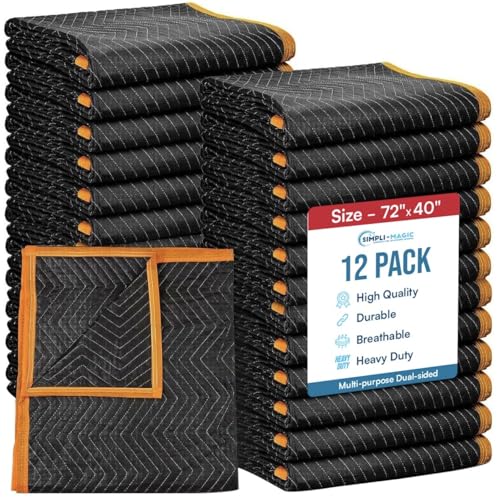
Applying felt pads to the legs of your seating and tables is one of the simplest yet most effective methods to prevent damage to delicate surfaces. These inexpensive protectors act as a cushion, allowing you to move items without unnecessary friction.
Regularly rearranging the layout can lead to wear over time. To mitigate this, consider using area rugs strategically placed underneath key pieces. Not only do they add aesthetic value, but they also absorb impact and shield against direct contact.
Choosing the right cleaning products plays a pivotal role as well. Opt for pH-neutral cleaners to maintain the integrity of the finish and avoid any abrasive solutions that might dull the surface. Frequent dusting with a microfiber cloth will help prevent gritty particles from scratching, ensuring your surfaces remain pristine.
Lastly, lifting rather than dragging heavy items will go a long way in preserving your beautiful installations. Each precaution taken contributes to extending the life and beauty of your cherished spaces.
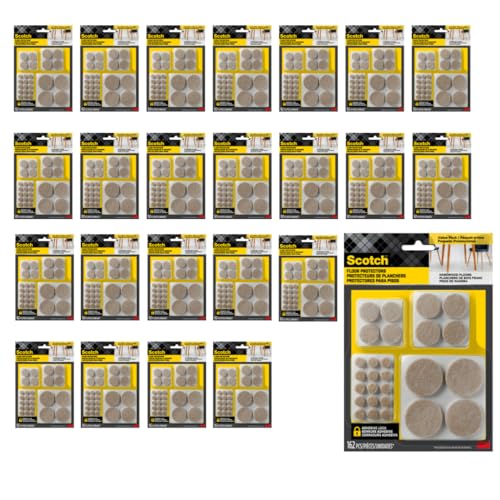


Ways to Protect Hard Surfaces from Damage
Utilize felt pads beneath the legs of items to prevent marks. These are inexpensive and come in various sizes. Ensure they adhere securely to avoid detachment.
Apply rubber caps or sleeves. These can fit snugly over leg ends, offering excellent protection. They are durable and resistant to wear.
Regularly check and maintain the base of each piece. Tighten screws and inspect for any loose elements that might cause scratching. A well-maintained item is less likely to be the culprit in causing wear.
Avoid sliding heavy items across surfaces. Instead, lift them entirely or use sliders designed for moving large objects. This technique helps to maintain the integrity of the underlying structure.
Implement area rugs or runners in high-traffic zones. This adds a protective layer, absorbing impacts and preventing direct contact with the finish.
| Method | Benefits |
|---|---|
| Felt Pads | Affordable, easy to apply, and effective. |
| Rubber Caps | Long-lasting protection against wear and tear. |
| Regular Maintenance | Prevents loose parts from causing gouges. |
| Use Sliders | Reduces risk of surface damage during movement. |
| Area Rugs | Enhances aesthetic while providing physical protection. |
Selecting the Right Furniture Feet
Opt for felt pads as they provide a soft barrier between the legs of your pieces and the surface beneath. Choose thick, high-density felt to maximize protection.
Consider rubber or silicone caps; these offer excellent grip and durability, minimizing the risk of marks. Ensure they fit snugly to prevent any slipping.
Adjustable glides can enhance stability. They allow for level adjustments, accommodating uneven surfaces while protecting from abrasions.
For heavier items, such as tables or cabinets, use wider bases with reinforced designs. This distribution of weight prevents concentrated pressure points that lead to indentations.
Evaluate the style and finish of your legs. Wood or metal finishes that come with built-in protective casters might serve dual purposes: enhancing aesthetics while providing a layer of protection.
Regularly check the condition of the pads or caps. Replace them if they show wear or damage, as frayed or worn-out protectors can become less effective.
Lastly, consider the pathway of movement. Soft rugs or mats can serve as additional buffers, especially in high-traffic areas. Their placement can significantly reduce contact with the underlying surface.
Using Furniture Pads and Protectors
Opt for felt or rubber pads as a first step to safeguard surfaces beneath heavy items. These pads act as a buffer, reducing friction and preventing damage during movement.
Types of Pads
- Felt Pads: Ideal for static placements, offering a soft cushioning effect.
- Rubber Pads: Excellent for items that need a stronger grip on the ground.
- Self-Adhesive Pads: Easy to apply, ensuring consistent coverage on the feet of your pieces.
Placement and Maintenance
Consistently check the condition of pads to ensure they remain intact. Replace them when they start to wear down or lose adhesion. Clean the surfaces regularly to prevent grit accumulation.
For movable pieces, such as chairs or tables, consider using sliders that can facilitate smooth movement without damage to the flooring.
Implementing Floor Mats in High-Traffic Areas
I recommend placing durable mats in entryways and areas where foot traffic is high. This simple addition acts as a barrier, reducing wear and tear on your surfaces. Look for mats crafted from tough materials such as rubber or heavy-duty fabric that can withstand frequent use.
Choosing the Right Mat
Select mats with a non-slip backing to prevent accidents and ensure they stay in place. Additionally, consider options with absorbent properties to trap moisture and dirt, keeping the surroundings tidy. Size matters; opt for larger mats to cover entire thresholds or spaces where people are likely to walk frequently.
Maintenance Tips
<p Regularly clean mats to eliminate dust and debris that can cause scuffs or stains. This upkeep not only prolongs the lifespan of the mats but also contributes to a cleaner environment. Rotate or reposition mats periodically to ensure even wear, particularly in spots that experience heavy foot traffic.
Regular Maintenance and Care for Your Floors
Perform a thorough cleaning with a soft broom or microfiber mop weekly to prevent debris accumulation. I recommend using a cleaner specifically formulated for your surface type; avoid harsh chemicals that could damage the finish.
Inspect for any signs of damage or wear regularly. Any scratches or dents should be addressed promptly with appropriate touch-up products, which can help maintain the aesthetic appeal and structural integrity of the surface.
Humidity control plays a significant role in the longevity of your flooring. I suggest using a humidifier during dry months to keep moisture levels balanced, which helps prevent warping or cracking.
Routinely applying a sealing or finishing product every few years can refresh the surface and protect against daily wear. It’s beneficial to test these products in inconspicuous areas before a full application to ensure compatibility.
In areas with high foot traffic, consider establishing a cleaning schedule that involves deep cleaning every few months. This approach will help maintain the overall appearance and health of your flooring.
Lastly, for any spills, immediate cleanup is key. Blot rather than wipe to avoid spreading, and use a soft cloth to absorb moisture. This simple action can prevent stains and long-term damage.
Managing Weight Distribution on Furniture
Adjusting weight distribution on your items is an effective approach to minimize unintentional damage to your surfaces. Consider the following strategies:
1. Balance Heavy Components
Position heavier elements closer to the ground. If a chair or table has removable parts, detach lighter accessories to redistribute weight. This mitigates pressure on specific limbs or corners that contact the surface.
2. Use Leveling Feet
- Invest in leveling feet for uneven surfaces. This allows for a balanced distribution of weight across all points of contact.
- Consider adjustable furniture legs enabling you to find the best height and balance, helping to avoid concentrated pressure.
3. Avoid Overloading
Stay within recommended weight limits. Learning the maximum load capacity can prevent excessive strain on any one area of contact.
4. Rotate Usage
- Regularly move your objects to different spots. This provides even wear on surfaces and reduces prolonged pressure marks.
- Flipping cushions or padding can also assist in ensuring even weight distribution over time.
Implementing these adjustments can significantly prolong the life of your surfaces while maintaining the aesthetic of your living space.
Avoiding Dragging Furniture on Wood Floors
Utilizing sliders or gliders beneath the legs of larger pieces can significantly reduce friction during movement, thus preserving the surface integrity of your planks. I recommend opting for those specifically designed for your type of flooring, as different materials offer varied levels of protection.
Whenever I rearrange heavy items, I employ a cantilever approach. By lifting one end while sliding, I minimize the risk of scratches. Additionally, collaborating with a partner can greatly assist in managing the weight distribution of items, further reducing the chance of contact with surfaces.
It’s wise to maintain a clear path when shifting large objects. Removing small obstacles like rugs or decor can prevent accidental dragging. Before pushing or pulling, ensure there is ample space to maneuver without unintended scraping.
Periodic checks on moving parts of furniture, like drawers or cabinets, ensure there are no loose elements that may lead to unintended dragging. Keeping them in proper alignment helps control movement during adjustment.
Always plan ahead by thinking about future arrangements. Mapping out furniture placement on paper allows me to visualize and prepare for any potential harm to the flooring while I adjust positions.
Choosing Appropriate Cleaning Products for Wood Floors
Select a cleaner specifically formulated for hardwood surfaces. Look for pH-balanced solutions without harsh chemicals that can deteriorate the finish over time.
Avoid using vinegar or bleach-based agents as they can cause damage or leave residues that attract dirt. Instead, opt for biodegradable products with natural ingredients.
Testing Cleaning Solutions
<p.Before applying any product, test it on a small, inconspicuous area to ensure it won't alter the appearance of the surface. This step helps prevent potential discoloration or haze.
Frequency of Cleaning
<p.Regularly dust and mop using a microfiber cloth. Frequency depends on foot traffic; typically, a bi-weekly schedule works well for most households. For deeper cleans, use recommended products sparingly to maintain the integrity of the finish.
Educating Family and Guests About Floor Protection
I encourage everyone to remove shoes before entering areas with delicate surfaces. Wearing soft-soled footwear reduces the risk of damage significantly.
Discussing the importance of wiping down pets’ paws before they come inside is essential. Mud and grit can create scratches on surfaces.
When rearranging seating or other items, gentle lifting is a must. Dragging can lead to unnecessary harm, so I make sure all family members are on the same page regarding this practice.
Utilizing coasters and placemats in communal areas reminds guests to be mindful about drinks and food placement, reducing the chance of accidental spills or hot items causing surface damage.
Offering a brief overview of using protective pads under objects can be helpful. This creates a habit of prioritizing care and attention to surfaces.
Encouraging discussions about the procedures for moving large pieces transports awareness of potential damage in high-traffic areas. It’s a simple reminder that fosters a collective responsibility.
Frequent communication about regular maintenance routines can create a culture of responsibility within the household, ensuring that everyone understands the significance of protective measures.
Ultimately, I find that fostering an environment where everyone feels involved helps maintain the integrity of the space. Simple reminders and collective efforts reinforce care over time.


