Caleb Turner

To prevent the intrusion of rain or humidity, securing a heavy-duty tarp over the cargo area is one effective strategy. Not only does it create a barrier against the elements, but a snug fit prevents potential damage during transit.
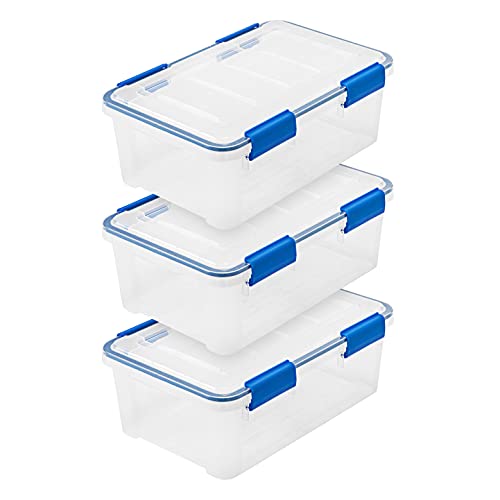
Utilizing a waterproof storage container can be another reliable method. These containers shield items while providing the added benefit of organization. Choosing a container with airtight seals enhances moisture control significantly.
Incorporating desiccants, such as silica gel packets, is an excellent way to absorb any potential moisture. Placing these within the confines of your storage solution adds an extra layer of protection against dampness, ensuring the integrity of your possessions is maintained.


Regularly inspecting the area for any signs of leaks or water accumulation is crucial. Swiftly addressing any issues can save your items from irreparable harm. A preventive approach will always serve you well.
Methods to Shield Items from Moisture in Vehicle Cargo Area
Using a waterproof tarp is my first approach; it creates a solid barrier against rain or humidity. Make sure to choose a heavy-duty option with secure ties to prevent it from blowing away during transport.
Next, I recommend utilizing plastic storage bins with tight-fitting lids. These containers not only keep water out but also protect from dust and debris, ensuring that everything remains safe and in pristine condition.
Employing weatherstripping around the edges of the cargo area is another effective measure. This simple addition seals gaps, minimizing the risk of moisture seeping in during adverse weather conditions.
Elevation is key. I elevate items off the truck’s surface using pallets or crates. This way, even if water accumulates, there’s no direct contact with what I’m transporting.
A dehumidifier pack can work wonders, especially during prolonged storage. These are designed to absorb excess moisture in confined spaces, further safeguarding my belongings.
Lastly, securing the load firmly prevents shifting and potential contact with wet surfaces. I use straps or bungee cords to hold everything in place, avoiding any unnecessary movement during transit.
Selecting the Right Tarp Material
Choosing the appropriate tarp material is crucial for protecting items from moisture and environmental elements. I recommend focusing on the following materials:
- Polyethylene (Poly) Tarps: These are waterproof, lightweight, and versatile. They resist mildew and tears, making them suitable for prolonged coverage.
- Canvas Tarps: While heavier, they breathe better than poly, preventing condensation. Opt for a treated version if moisture resistance is vital.
- Vinyl Tarps: Durable and resistant to extreme weather, vinyl is an excellent choice for long-term outdoor usage. They are also easy to clean.
When selecting a tarp, consider the following factors:
- Thickness: Thicker materials typically offer more protection. Look for a tarp rated between 10 and 12 mil for maximum durability.
- UV Resistance: Ensure the tarp has UV protection to prevent degradation from sunlight exposure. This is essential for outdoor storage.
- Weight: Lighter tarps are easier to handle but may not offer the same level of durability. Balance weight with the level of protection needed.
Always check the tarp’s grommets and stitching. Reinforced edges and quality fasteners increase lifespan and reliability. Selecting the right material based on these criteria ensures optimal safeguarding for your belongings.
Securing the Tarp Properly
To ensure optimal protection, I always make sure to use strong tie-down straps to secure the tarp tightly. This prevents any movement during transit. I recommend using at least three to four straps for an average-sized cover.
Choosing the Right Locations
Attachment points on the vehicle are crucial. I typically utilize the truck’s tie-down hooks, if available, or I install my own anchors. Wrapping straps around a sturdy part of the truck’s frame works well too.
Creating a Taut Fit
- Start by laying the tarp over the items, ensuring it covers everything completely.
- Pull the ends down and attach the straps while gradually tightening them to maintain a snug fit.
- Check for any sagging areas that might catch wind or rain, and adjust accordingly.
Wind can easily loosen the covering if not secured accurately. I often add extra weight on the edges, such as bricks or sandbags, to help keep it in place. Always make a habit of inspecting the setup before hitting the road.
In rainy conditions, I also angle the tarp slightly to allow water runoff, preventing pooling which might compromise its integrity. Maintaining vigilance during transport is key–frequently check the tarp if traveling long distances.
Utilizing Plastic Sheeting for Extra Protection
I recommend using plastic sheeting as an additional layer of defense against moisture. This material is lightweight, waterproof, and can easily conform to different shapes of items. Measure the dimensions of your cargo to cut the sheeting accurately, ensuring it fully covers every piece.
Application Techniques
Lay the plastic sheeting flat over your components, allowing for some overlap on all sides. This prevents rainwater from creeping underneath. Seal the edges using adhesive tape or specially designed weatherproof tape to create a tight seal. For added security against wind, consider using weights or bungee cords on the perimeter of the sheeting.
Storage and Handling
Store the plastic sheeting rolled up and protected from UV rays to maintain its integrity. Handle it with care during application, as sharp edges or points can puncture the surface. Regularly inspect for any signs of wear, and replace it as necessary to ensure continued protection.
Choosing Waterproof Storage Containers
For safeguarding belongings during transport, opting for waterproof storage bins is crucial. Look for containers made from high-density polyethylene (HDPE) or polypropylene, as these materials provide excellent resistance against moisture.
Select bins with tight-fitting lids and rubber seals to prevent water ingress. Some brands offer double-walled designs, enhancing their durability and protecting contents better. I prefer containers with built-in handles, making them easier to lift and secure.
Size matters. Select bins that maximize space without being overly bulky. Consider stackable options to optimize vertical space when loading. It’s also wise to label each bin clearly to facilitate quick access to items later on.
In addition, investing in bins with reinforced bases adds stability, reducing the risk of damage from shifting loads. Ensure the chosen containers are UV-resistant if they will be exposed to sunlight for extended periods.
Before use, verify that all containers are free of damage or wear, which can compromise their waterproof abilities. A pre-transport inspection of every bin ensures your items remain protected throughout the journey.
Using Drainage Solutions in the Truck Bed
Install drainage holes in the corners of the cargo area to facilitate water runoff. This simple modification prevents water accumulation, ensuring that the load remains protected from moisture. It’s essential to cover these holes with a mesh screen to avoid debris clogging.
Implementing Drainage Mats
Consider using rubber drainage mats specifically designed to allow water to flow through while preventing direct contact with the ground. These mats create a barrier between your cargo and any surface water, significantly reducing the risk of dampness affecting your items.
Sloping the Surface
If possible, slightly elevate one end of the cargo area using small blocks or wedges. This angle encourages any trapped moisture to flow towards the drainage points, preventing pooling and further safeguarding your belongings.
Regularly inspect and clean any drainage systems in place. Ensuring these remain free of blockages is key to maintaining optimal effectiveness. By implementing these drainage strategies, I confidently transport items, knowing that potential water damage is minimized.
Assessing Weather Conditions Before Transport
Checking the weather forecast is my first step prior to loading items into the vehicle for transport. Ensure to utilize reliable sources, such as local news stations or weather apps, for the most accurate data.
Pay attention to precipitation predictions. A 30% chance of rain may lead to unexpected moisture, so I always prepare for the worst. Wind gusts can also impact the cargo, particularly if I am using lightweight coverings.
Temperature shifts matter as well. Sudden drops can lead to condensation, making it crucial to time the transport with rising temperatures to minimize moisture accumulation. Additionally, I consider humidity levels; high humidity can promote dampness, affecting the integrity of materials.
Cloud coverage is another factor. Overcast skies may indicate impending rain, so opting for a tarp or waterproof coverings in these conditions is wise. In contrast, clear skies suggest lower chances of precipitation.
| Weather Factor | Impact on Transport | Recommendations |
|---|---|---|
| Precipitation | Risk of wetness | Use waterproof tarps |
| Wind | Possibility of covering displacement | Secure coverings tightly |
| Temperature Drops | Condensation build-up | Transport during warm hours |
| Humidity | Increased moisture levels | Utilize desiccants or moisture barriers |
| Cloud Coverage | Potential for rain | Prepare additional coverings |
Before heading out, I double-check the forecast for any last-minute changes to avoid surprises. Making informed decisions based on reliable weather information can significantly enhance the protection of my belongings during transport.
Regularly Checking and Maintaining the Setup
I make it a habit to inspect the protective arrangements frequently. I look for any signs of wear on the tarp or plastic sheets, including tears or folds that could allow moisture entry. Keeping an eye on the condition ensures that potential issues are addressed before they escalate.
Additionally, I ensure that all sealing methods, such as bungee cords or straps, remain tight and secure. Loose covers can shift during transit, exposing items to the elements.
I also check for pooling water or debris accumulating in the truck’s cargo area. It helps to keep it clear and dry, as stagnant water can lead to mold or damage to the contents. If I notice any debris, I remove it immediately to prevent complications.
Making routine assessments after each journey is helpful. I take the time to evaluate the condition of my belongings post-transport. This feedback loop helps refine my setup for future trips.
Lastly, considering seasonal changes is crucial. I modify my approach based on weather patterns, adjusting materials or methods to align with specific conditions like heavy rains or snow. Staying proactive makes a significant difference in maintaining the integrity of my items.
FAQ:
What are the best materials to cover furniture when transporting in a truck bed?
Using a waterproof tarp or heavy-duty plastic sheeting is ideal for covering furniture. These materials provide a protective barrier against rain and moisture. Additionally, moving blankets can be used to wrap individual furniture pieces for added cushioning and protection. Ensure that whatever material you choose is secured tightly to prevent it from blowing away during transit.
How can I prevent furniture from getting wet during transportation?
To prevent furniture from getting wet, it’s important to cover it properly. Start by wrapping each piece in plastic or a moving blanket, and then secure these covers with straps or ropes. Placing furniture in a truck bed with the heaviest items at the bottom can also help, as it reduces the chance of water pooling underneath. Additionally, ensure the truck bed itself is clean and dry before loading items to avoid introducing moisture.
Are there specific techniques to elevate furniture in a truck bed for better protection?
Yes, elevating furniture can greatly improve protection against moisture. Using pallets or wooden planks, create a raised platform in the truck bed. This method allows air circulation underneath the furniture and keeps it away from any water that might accumulate. Moreover, placing rubber mats or tarps underneath the pallets can offer additional moisture protection. Make sure to secure everything firmly to prevent shifting during transport.
What should I do if my furniture gets wet during transport?
If your furniture does get wet, act quickly to minimize damage. First, remove the furniture from the truck immediately and take it to a dry area. Use towels to blot any excess water from surfaces. For wooden items, allow them to dry naturally in a well-ventilated area but avoid direct sunlight or heat sources, which can cause warping. If necessary, seek advice on restoring or repairing damaged pieces, such as refinishing or reupholstering, depending on the material.
Is it necessary to use a truck bed cover for transporting furniture?
While it’s not strictly necessary, using a truck bed cover can significantly enhance protection when transporting furniture. A cover can help keep out rain and debris, ensuring your items remain dry and clean throughout the journey. If you frequently transport valuable or delicate furniture, investing in a quality truck bed cover might be worthwhile for peace of mind and added protection during transit.
What are some effective methods to keep furniture dry in a truck bed during transport?
To keep furniture dry in a truck bed, you can utilize several methods. First, consider using a high-quality tarp to cover the furniture completely. Make sure the tarp is secured with bungee cords or ropes to prevent it from blowing away. Another option is to use plastic sheets or waterproof covers specifically designed for furniture. Additionally, placing the furniture in the truck bed in a way that allows for water runoff, such as elevating it on pallets or using foam blocks, can help. If you’re anticipating rain, placing a waterproof liner in the truck bed can provide an extra layer of protection. Lastly, check the weather forecast and avoid transporting furniture during heavy rain or storms.