
 Caleb Turner

Adhesive solutions provide the most reliable method for ensuring soft underlays remain attached to surfaces. Selecting high-quality adhesive appropriate for the material being used is an immediate step I recommend. Consider double-sided tape with strong bonding properties, specifically designed for furniture applications.
Regular maintenance plays a critical role in preventing detachment. I suggest routinely checking the integrity of these underlays, cleaning the contact area, and reapplying adhesive as needed. This simple practice can substantially prolong their lifespan and functionality.
Additionally, using a protective coating on the surface can enhance grip. For instance, applying a non-slip rubber base can create friction, ensuring that the soft material adheres better over time. Combining these methods creates a comprehensive approach to securing underlays effectively.
Choosing the Right Adhesive for Felt Pads
For securing cushioning materials to surfaces, I recommend using a clear-drying craft adhesive or a strong double-sided tape. The clarity of the glue ensures a neat finish, while the strong bond of double-sided tape provides immediate adhesion.

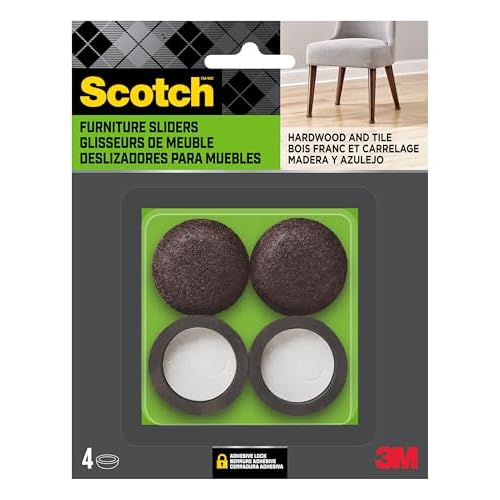
A polyurethane-based adhesive is another robust option, particularly for heavier items. This type of glue is resistant to moisture and heat, making it ideal for high-traffic areas.
If opting for a hot glue gun, select low-temperature glue sticks. They provide a sufficient hold without damaging delicate surfaces. This method allows for easy repositioning before the glue fully sets.
Always ensure the surfaces are clean and free of dust or oils before applying any adhesive. This step enhances the bond longevity and performance.
Testing the adhesive on a small, inconspicuous area can prevent potential damage and ensure compatibility. Once satisfied, proceed to apply the adhesive on a larger scale.
For temporary applications, reusable glue dots might be suitable. They allow for easy removal without residue, making them ideal if changes need to be made frequently.
Preparing Surfaces for Better Adhesion
Ensure the area is clean and free from dust, dirt, or grease. I use a mild cleaner or a damp cloth to wipe the surfaces thoroughly, allowing them to dry completely before applying any adhesive materials.
For wooden surfaces, I lightly sand the area with fine-grit sandpaper to create a textured finish. This enhances grip and improves the bond. After sanding, I make sure to remove any dust with a soft cloth.
For glossy finishes, consider applying a small amount of rubbing alcohol to remove the shine and provide a better grip for adhering materials. Again, let it dry before continuing.
In the case of metal, I clean the surface with a degreaser or rubbing alcohol and then roughen it slightly with sandpaper. This step is crucial for achieving a secure connection.
Testing a small section first helps to confirm the adhesion process. I apply a small piece, checking if it adheres properly. If successful, I proceed with the remaining sections to ensure uniform application.
Properly Applying Felt Discs on Leg Bases
Position each round piece accurately centered on the leg bottom. Clean the surface thoroughly to eliminate any dust or grease which can impede adhesion. Once the surface is prepped, peel away the backing of the self-adhesive disc, ensuring not to touch the sticky side. Firmly press the disc down for at least 30 seconds to establish a strong bond.
Tips for Secure Application
Do a test by applying slight pressure; this checks if the attachment holds. If necessary, repeat the pressing process. For uneven surfaces, using larger discs can provide better coverage and support.
Maintenance for Longevity
Regularly examine the discs for wear. Replace any that show signs of peeling or damage. Ensure to keep the leg surfaces clean to promote longer adhesion life, reducing any risk of slipping or lifting.
| Step | Description |
|---|---|
| 1 | Center the round piece on leg bottom. |
| 2 | Clean surface to remove debris. |
| 3 | Peel backing and press firmly for 30 seconds. |
| 4 | Check attachment by applying light pressure. |
| 5 | Regularly inspect and replace when needed. |
Techniques for Securing Felt Pads During Use
To enhance the reliability of those protective discs on your items, I recommend using a strong adhesive tape. Double-sided tape is a practical option that provides a firm hold while allowing for easier repositioning if necessary.
If you prefer a more permanent solution, applying a layer of hot glue can create a bond that withstands regular movement. Be cautious about the amount used; too much can create a mess and affect the pad’s appearance.
For a DIY approach, consider using contact cement. Apply a thin coat to both the pad and the leg, wait for the adhesive to become tacky, and then press them together. This method offers durability but requires precise application to prevent overflow.
In case of using super glue, make sure only to apply a small drop, as it dries quickly and may be challenging to remove later. This is ideal for ensuring that the pads don’t budge during use.
When using bolts or screws to secure the discs, drill a small hole into the surface of the leg and insert a screw through the center of the pad. This not only secures it but can also elevate the pad slightly for added protection against wear.
Regular checks can help maintain the position of the discs. I recommend inspecting them every few months to ensure they remain intact and secure. If any signs of lifting or peeling occur, promptly replace them to avoid scratching or damage to the floor.
Steps to Maintain Felt Pads for Longevity
Regularly inspect the cushioning under your items. Look for signs of wear or lifting at the edges. Replace any that show significant damage to maintain function.
- Clean the surface beneath the protective layers every few months. Dust and debris can weaken adhesion.
- Utilize a gentle adhesive primer around the edges if you notice peeling. This can enhance sticking power.
- Keep the area around the legs dry and free from moisture. Humidity can compromise the bond.
- Consider using a soft cloth to periodically press down on the corners to ensure they remain secure after heavy use.
- Avoid dragging heavy items across surfaces. Lifting is key to prevent the materials from detaching.
Store items in a climate-controlled area, as temperature fluctuations may lead to deteriorating performance. Seasonal assessments will help identify when replacements are needed.
For optimal care, maintain a routine check every few months. This proactive approach can significantly extend the life span of protective caps under household items.
When to Replace Felt Pads on Furniture
Observe any signs of wear such as fraying edges, peeling, or reduced thickness. Replace the cushioning immediately if they no longer provide sufficient protection for surfaces beneath.
Timing can also depend on activity levels. High traffic areas require more frequent checks, perhaps every few months, while less frequently used pieces might last longer. If you notice scratches or scuffs on the floor, it’s a clear signal for a replacement.
Additionally, pay attention to any noises. If chairs or tables produce scraping sounds against the floor, it indicates the soft layer has diminished. It’s beneficial to proactively replace the cushioning before damage occurs.
Humidity and temperature changes can affect the adhesive bond. Replace the cushioning if they detach frequently, particularly in environments prone to these fluctuations.
Lastly, routine cleaning practices can contribute to wear. If cleaning solutions or debris compromise the protective layer, consider refreshing the cushioning to ensure optimal performance. Assess regularly to maintain the integrity of your surfaces.
Alternative Solutions for Sticking Felt Pads
One effective method involves using double-sided tape. This tape offers a stronghold and can be cut to the desired size. It’s advisable to choose a tape that is specifically designed for home use to ensure durability over time.
Another option is utilizing hot glue. Applying a small amount strategically on the underside of the cushion can create a solid bond. Make sure to press firmly for a few seconds while it cools to secure it effectively.
Adhesive putty can also serve as a temporary solution. It’s easily adjustable and can help if the cushion needs repositioning. Just remember that putty may require frequent reapplication, especially on frequently moved items.
Consider rubberized coatings as an alternative. Applying a thin layer on the cushion and allowing it to dry may enhance the grip on surfaces, minimizing movement during use.
For those who prefer a more permanent solution, a strong construction adhesive can be applied directly to the underside of the cushion. Always check compatibility with your surface material to avoid damage.
Lastly, explore the use of self-adhesive options. Many manufacturers offer cushions with an adhesive backing. Choosing these can simplify the process and ensure a consistent application each time.


