
 Caleb Turner

Utilizing protective covers on tables and shelves can dramatically reduce build-up. Choose breathable fabrics that allow air circulation while providing a barrier against fine particles.
Incorporating indoor plants not only enhances aesthetics but also aids in reducing airborne particulates. Species such as spider plants and peace lilies are particularly effective at improving air quality.
Regularly cleaning the environment is paramount. Use a damp microfiber cloth to capture particles without re-circulating them into the air. Establish a weekly routine to maintain surfaces consistently and enhance longevity.
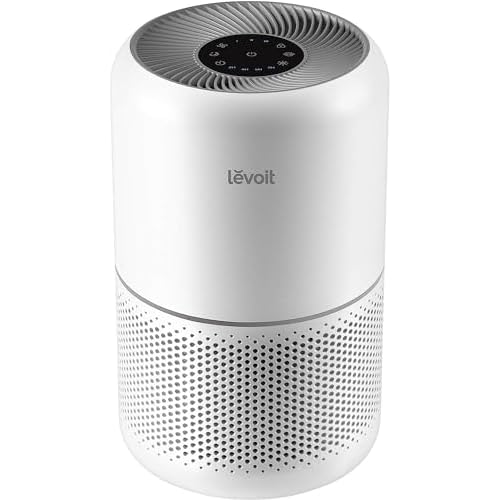


Positioning air purifiers strategically throughout the space can minimize the amount of unwanted material in the air. Opt for models equipped with HEPA filters for maximum filtration efficiency.
How to Prevent Accumulation on Surfaces
I recommend implementing microfiber cloths for routine cleaning, as they are particularly effective at trapping particles without scattering them elsewhere.
Using air purifiers with HEPA filters can dramatically reduce airborne particles that would otherwise settle on surfaces. Their strategic placement near furniture can enhance efficiency.
Consider incorporating regular vacuuming into your cleaning routine. Utilizing a vacuum with a HEPA filter ensures minimal reintroduction of allergens and particles while protecting your valuable pieces.
Investing in protective covers or dust guards can provide a physical barrier against unwanted grime. They are especially useful for items that are seldom used yet tend to collect particles over time.
Implementing a no-shoe policy indoors helps significantly. Shoes carry in fewer contaminants, thus maintaining a cleaner environment on your flooring and preventing secondary settling on surfaces.
I find that organizing items reduces surface area, minimizing spots for accumulation. This approach not only keeps things tidy but also aids in maintaining cleanliness.
Regularly checking and cleaning vents and ducts can also curb the influx of particles circulating through the air. This reduces the chances of them landing on various surfaces in living spaces.
Lastly, keeping humidity levels in check with a dehumidifier discourages the growth of allergens and allows surfaces to remain cleaner for longer periods.
Choosing the Right Furniture Material
Opt for materials that reduce adherence of particles: metal, glass, and certain plastics. These surfaces typically resist cling, making it harder for microscopic particles to accumulate. Wood, while beautiful, can be more challenging, but selecting a high-gloss finish can help minimize issues.
Metal and Glass
Metal pieces like aluminum or stainless steel are excellent choices due to their non-porous nature. They can be wiped clean easily and often require less frequent maintenance. Glass not only provides a sleek aesthetic but also encourages cleanliness; a quick damp cloth is usually enough to eliminate any buildup.
Fabric Considerations
If opting for upholstered pieces, choose fabrics that are tightly woven and treated for stain resistance. Synthetic blends often outperform natural fibers in terms of repelling residue. Regular vacuuming with a soft brush attachment can significantly reduce the likelihood of accumulation, maintaining cleanliness and appearance longer.
Implementing Regular Cleaning Routines
Establish a weekly schedule for cleaning surfaces. I dedicate at least 30 minutes each week to wipe down all surfaces with a microfiber cloth, focusing on high-traffic areas and shelves where particles tend to accumulate. This simple habit significantly reduces buildup over time.
Use Quality Tools
Invest in a quality vacuum with a HEPA filter. I vacuum carpets and upholstery regularly, which captures particles effectively. For hard surfaces, I use a soft-bristle broom followed by a damp mop to ensure thorough cleaning without scratching the surface.
Create a Cleaning Checklist
A checklist helps me stay organized. I prioritize rooms and specific areas, such as behind appliances and under large items. I check off tasks as I complete them, which keeps my routine consistent and efficient.
Utilizing Air Purifiers for Dust Control
Invest in a high-efficiency particulate air (HEPA) filter purifier, as these devices significantly reduce airborne particles, including allergens and tiny particles that settle on surfaces. Place purifiers in key areas such as living rooms, bedrooms, and workspaces, ensuring they are switched on regularly.
Choosing the Right Purifier Size
Select a unit suitable for the square footage of your room. Measure your space and match it with the manufacturer’s recommendations to guarantee optimal performance.
Regular Maintenance is Key
Change filters according to the manufacturer’s guidelines to maintain efficiency. Clean the appliance itself to prevent dust accumulation, enhancing its overall functionality.
Sealing Gaps and Cracks in Your Home
Investigate every room for small openings. Pay careful attention to window frames, doorways, and baseboards. Seal these areas with caulk or weatherstripping to block the entry of particles.
Recommended Materials
- Silicone caulk: Ideal for non-paintable surfaces, offering flexibility and durability.
- Acrylic latex caulk: Easy to apply and can be painted over, suitable for indoor usage.
- Weatherstripping foam: Perfect for sealing around windows and doors, ensuring an airtight fit.
Steps to Take
- Identify all cracks and gaps, including around light fixtures and electrical outlets.
- Clean the area thoroughly to remove dust and debris for effective adhesion.
- Apply the sealant using a caulk gun or adhesive strips for weatherstripping.
- Allow sufficient drying time as specified on product packaging.
Regular assessments of these seals can prevent future accumulation of airborne particulates. Following these proactive measures yields a cleaner living environment.
Maintaining Optimal Humidity Levels
To minimize particle accumulation, I ensure humidity levels in my home remain between 40% and 50%. This range creates an environment less favorable for allergens like dust mites and mold, which thrive in overly dry or humid conditions.
Investing in a hygrometer enables precise monitoring of moisture content in the air. Whenever the humidity fluctuates outside the desired range, I either use a humidifier for dry spells or a dehumidifier in damp situations. Regularly adjusting these devices helps create a stable environment.
Additionally, I make a habit of sealing windows and doors to prevent outside air from introducing unwanted moisture. This also helps maintain temperatures more consistently, allowing for more effective humidity control.
Incorporating plants that naturally regulate humidity can also be beneficial. Certain varieties can increase moisture levels, which might complement airflow systems. However, I ensure not to overwater to avoid creating excess moisture.
Cleaning with a damp cloth rather than a dry one is another strategy I employ, as it traps particles instead of dispersing them into the air. I find that doing so directly contributes to a fresher living environment.
Lastly, routine checks on any areas prone to leaks or moisture buildup are crucial. By maintaining these practices, I achieve an optimal atmosphere that contributes to overall comfort and cleanliness.
Using Covers and Slipcovers on Furniture
Opt for high-quality covers or slipcovers to shield upholstered items and surfaces. These protective layers act as a barrier against airborne particles, minimizing the need for frequent dusting.
Benefits of Slipcovers
- Easy to clean: Most slipcovers are machine washable, allowing for hassle-free maintenance.
- Varied designs: Choose from a range of colors and fabrics to match your decor while enhancing protection.
- Customized fit: Tailored options can provide a snug fit, reducing the chances of debris accumulating underneath.
Proper Use of Furniture Covers
- Choose breathable materials: Select fabric that allows air circulation to prevent moisture build-up.
- Secure fastenings: Ensure covers are properly fitted and secured to prevent them from shifting.
- Regular maintenance: Clean covers frequently to eliminate trapped particles, promoting a healthier living environment.
Investing in slipcovers and protective covers not only preserves your items but also contributes to a more comfortable and clean atmosphere. By utilizing these strategies, the interior remains welcoming and well-cared for, significantly reducing the accumulation of particulate matter.
Creating a No-Shoe Policy Indoors
Implementing a no-shoe policy can significantly reduce the accumulation of particles inside your living space. Establish clear guidelines and communicate them to all household members and visitors. Consider placing a decorative sign near the entrance to serve as a reminder.
Set up a dedicated area for shoes near the entrance. This can include a shoe rack or a mat designed to absorb dirt and moisture. Encourage the use of slippers or socks indoors to ensure comfort while minimizing contamination.
To support this policy, maintain an inviting entryway. Regularly clear clutter and consider a thorough cleaning regimen for high-traffic areas like hallways and doorways. This reduces the likelihood of guests ignoring your request.
| Benefits | Implementation Tips |
|---|---|
| Minimizes indoor debris | Place a shoe rack at the entrance |
| Promotes health by reducing allergens | Use colorful and comfortable indoor footwear |
| Enhances overall cleanliness | Communicate the policy clearly |
Regularly reinforce the importance of this guideline to keep everyone engaged. You might even consider offering incentives for adherence, such as a reward for maintaining cleanliness in shared spaces.
Strategically Placing Indoor Plants
Placing indoor plants near furniture can significantly reduce airborne particulates and enhance air quality. Spider plants, peace lilies, and snake plants are especially effective in capturing contaminants and can thrive in various lighting conditions.
I recommend positioning these greenery options on shelves or side tables to maximize their exposure to air circulation. For larger plants, like rubber trees, using them as natural dividers between rooms can also serve dual purposes of decoration and air purification.
Rotating pots regularly helps ensure even light access and encourages growth, enhancing their dust-absorbing potential. Consider grouping different species to create a mini indoor garden, which not only beautifies your space but also increases filtration efficiency.
Another strategy is to place plants where they are frequently maintained. The act of misting or watering them results in localized humidity increases, which can help prevent settling of debris on surfaces.
Ensure to clean the leaves regularly to maintain their air-purifying capabilities. A simple wipe with a damp cloth can increase their efficacy, while also contributing to the aesthetic appeal of the room.
FAQ:
What are some simple methods to prevent dust from settling on my furniture?
To keep dust at bay, regularly clean surfaces with a microfiber cloth, which traps dust effectively. Consider using anti-static sprays on furniture to deter dust accumulation. Additionally, placing furniture away from windows can minimize dust entering from outside. Keeping doors and windows closed during windy days also helps reduce dust in your home.
How often should I dust my furniture to keep it looking clean?
The frequency of dusting depends on your environment. In homes with pets or in dusty areas, it’s advisable to dust at least once a week. In cleaner environments, every two weeks may suffice. Regular vacuuming can also assist in minimizing dust build-up on surfaces, improving the overall appearance of your furniture.
Are there specific cleaning products that are better for dust prevention?
Avoid traditional feather dusters as they often just spread dust around. Instead, use microfiber cloths or electrostatic dusters, which are designed to trap dust. For added protection, consider using furniture polish or dust-repellent sprays, but check if they are compatible with your furniture’s finish to avoid damage.
Is it beneficial to have more plants in my home to reduce dust?
Yes, having indoor plants can contribute to better air quality and reduce dust. Plants absorb particles in the air and can help create a cleaner environment. Some species, like peace lilies or spider plants, are particularly effective. However, keep in mind that plants require care and watering, which could lead to soil dust if not managed properly.
Can air purifiers help in keeping dust off my furniture?
Air purifiers are effective in removing dust and other airborne particles from your living space. By using a purifier with a true HEPA filter, you can significantly reduce the amount of dust in the air, which in turn will lead to less accumulation on your furniture. Running the purifier regularly, especially during high dust days, can improve your home environment.
What are some practical tips to reduce dust accumulation on furniture?
To reduce dust accumulation on your furniture, consider the following tips: First, regularly vacuum your home using a vacuum cleaner equipped with a HEPA filter. This can effectively remove dust particles from the air and surfaces. Second, use microfiber cloths for dusting, as they attract and trap dust better than traditional dusters. Third, maintain humidity levels between 40-60% in your home, as higher humidity can help prevent dust from becoming airborne. Additionally, consider placing air purifiers in commonly used areas to help filter dust from the air. Finally, establish a regular cleaning schedule to dust and wipe down surfaces to keep them clean.


