Caleb Turner

Regularly polishing surfaces with a microfiber cloth dampened slightly with water can significantly minimize the accumulation of unwanted particles. This simple action not only helps maintain the aesthetic appeal but also protects the finish from scratches.
Using a soft brush attachment on your vacuum cleaner during weekly cleaning sessions will effectively dislodge any lingering debris from crevices and corners without damaging the surface. This method is gentle yet powerful, ensuring that your possessions stay pristine.
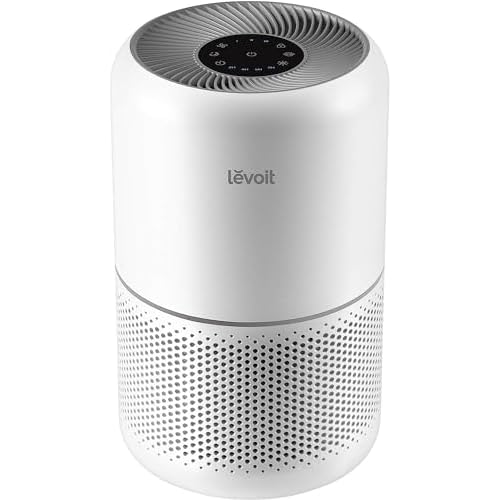
Incorporate an air purifier in the room to reduce airborne particles, which frequently settle on darker items. Selecting a unit with a HEPA filter will enhance its efficiency, providing you with a cleaner environment and reducing maintenance in the long run.


Sealing the surface with a specialized wax or polish designed for enriched wood can offer additional protection. Applying this treatment every few months not only replenishes the sheen but also creates a barrier that wards off grime.
Maintaining the Beauty of Exquisite Surfaces
Use microfiber cloths for routine cleaning, as they capture particles more efficiently without scratching the surface. Regularly schedule intervals for upkeep, ideally once a week, to maintain a pristine appearance.
Consider applying products specifically designed for protective coating. These create a barrier that hinders accumulation. Be cautious with shiny finishes; a matte protector can often be more suitable, preserving aesthetics while minimizing residue visibility.
Incorporate indoor air purifiers to reduce airborne particles. This addition not only enhances the ambiance but also contributes to the longevity of your cherished pieces.
The placement of items on surfaces plays a significant role. Utilize coasters and trays for decorative elements or functional items, reducing direct contact with materials that might leave residues.
| Maintenance Tips | Benefits |
|---|---|
| Microfiber cloths | Effective particle capture without damage |
| Protective coatings | Hinders accumulation and preserves appearance |
| Indoor air purifiers | Reduces airborne particles and improves air quality |
| Coasters and trays | Minimizes direct contact with surfaces |
Lastly, keep windows closed during high pollen seasons and maintain humidity levels to mitigate additional challenges posed by environmental factors. Simple adjustments make a remarkable difference in preserving the allure of your treasured pieces.
Choose the Right Cleaning Materials
I recommend using microfiber cloths for their ability to trap particles effectively without scratching surfaces. Unlike traditional rags, they don’t leave lint behind, making them ideal for maintaining a polished look.
For tackling stubborn residues, consider incorporating a gentle furniture polish specifically designed for darker finishes. Look for products that are silicone-free to prevent heaviness and buildup. These polishes often enhance the natural shine while providing a protective layer.
In my experience, a solution of warm water mixed with a few drops of liquid soap can work wonders when paired with a soft cloth. This combination ensures a thorough clean while minimizing potential damage.
Dispose of any abrasive sponges or harsh chemicals, as they can lead to dulling or scratching over time. Instead, seek pH-balanced cleaners that are suitable for wood surfaces. These options are often less harsh and safer for regular use.
Regularly swapping out your cleaning materials helps maintain their effectiveness. I prefer establishing a routine where I wash microfiber cloths frequently to ensure optimal performance during each cleaning session.
Establish a Regular Cleaning Schedule
I create a cleaning routine that aligns with my lifestyle. For instance, I dedicate specific days for thorough maintenance. Weekends work well for me, as I tend to have more time. I aim for a deep clean every two weeks, which includes a detailed wipe-down of surfaces and hidden areas.
Daily Quick Maintenance
I incorporate a few minutes each day to ensure surfaces remain immaculate. A microfiber cloth is my go-to tool for daily touch-ups, as it captures particles without scratching the finish. I focus on high-traffic areas and spots that accumulate grime quickly. This simple habit saves me from more extensive cleaning later on.
Adjusting for Seasonal Changes
<p.I modify my schedule with the changing seasons. During spring and fall, I perform a comprehensive clean, addressing areas prone to accumulation. These transitions often bring in additional airborne materials, so I prepare accordingly. Regular adjustments help maintain the pristine appearance of my belongings throughout the year.
Utilize Antistatic Dusting Cloths
Selecting antistatic dusting cloths significantly reduces the attraction of particulate matter to surfaces. These specialized materials are designed to minimize static charge, which helps prevent debris from settling. I recommend using microfiber cloths infused with antistatic agents for optimal results.
Application Techniques
Lightly dampening the cloth with water or a gentle cleaning solution enhances its effectiveness. When wiping, use smooth, sweeping motions rather than rubbing vigorously. This method allows the cloth to pick up more impurities without redistributing them across surfaces.
Maintenance of Cloths
To ensure longevity, I wash these cloths separately from other laundry. Avoid using fabric softeners, as they can diminish the antistatic properties. After cleaning, air-dry them to preserve their effectiveness, ensuring they remain ready for future use.
Incorporate Air Purifiers in Your Space
Integrating air purifiers into your environment significantly reduces particulate matter. Select models equipped with HEPA filters, as they effectively capture tiny particles, including allergens and particulate pollutants. Make sure to position them strategically in areas where air circulates freely and near sources of contaminants.
Selecting the Right Air Purifier
- Choose based on room size: Ensure the purifier is appropriate for the dimensions of your space.
- Look for a model with a clean air delivery rate (CADR) that matches your needs.
- Opt for purifiers with activated carbon filters for enhanced odor removal.
Maintenance and Usage Tips
Regularly change filters according to the manufacturer’s guidelines. This ensures optimal performance and longevity. Additionally, run the units continuously in high-traffic areas to minimize airborne particles effectively.
Consider using multiple units across various rooms to create a comprehensive cleansing effect throughout your home. This layered approach maximizes air quality and reduces allergen buildup significantly.
Use Furniture Polish with Dust-Repelling Properties
For optimal maintenance of my wooden pieces, I choose furniture polish specifically designed with dust-repelling characteristics. These products create a protective layer that not only enhances the appearance of the surface but also significantly reduces the accumulation of particles. I make sure to apply this polish evenly, following the manufacturer’s instructions, to achieve the best results.
Application Technique
I start by cleaning the surface with a microfiber cloth to remove any existing dirt. After that, I apply the polish, using a soft cloth to distribute it evenly. This technique ensures that I get comprehensive coverage without streaks or residue. Regular applications, approximately every few weeks, help maintain that protective barrier, keeping surfaces looking pristine for longer.
Ingredients to Look For
When selecting a polish, I focus on those containing silicone or polymer-based compounds, as they are known for their ability to fend off particulates. Avoiding wax-based products is crucial, as they can attract more debris over time. I always check product labels to ensure I’m making a beneficial choice for my wooden decor.
Avoid Clutter on Surfaces
Clear surfaces enhance the aesthetic while minimizing the accumulation of particles. To achieve this:
- Limit decorative items to a few key pieces. This not only simplifies the look but also reduces hiding places for allergens.
- Use storage solutions like trays or boxes for smaller items. Keeping such items contained prevents scattering across tables and shelves.
- Designate specific areas for frequently used items, maintaining their organization to avoid overlapping clutter.
- Regularly reassess items placed on surfaces. If something hasn’t been used in months, consider relocating or donating it.
Maintaining a minimalist approach creates a visually appealing environment that requires less upkeep. By doing so, surfaces remain cleaner for longer, resulting in less time spent on maintenance routines.
Optimize Humidity Levels in Your Home
Maintaining humidity between 40% and 60% is key. This range reduces airborne particles and prevents moisture accumulation that attracts allergens. A hygrometer can help monitor humidity levels effectively.
Use Humidifiers and Dehumidifiers
If your environment is too dry, a humidifier introduces moisture, which can enhance comfort and reduce static electricity, making it harder for particles to settle. Conversely, a dehumidifier removes excess moisture, especially in damp areas like basements.
Regular Ventilation
I open windows periodically to allow fresh air circulation. This movement not only balances moisture levels but also enhances air quality, reducing the likelihood of accumulation on surfaces.
Adjusting humidity can create an unwelcoming environment for unwanted particles while enhancing your living space’s overall health.
Consider the Placement of Your Furniture
Positioning items thoughtfully can significantly reduce the accumulation of particulate matter. Place larger pieces against walls, avoiding central locations in rooms, which lessens exposure to airflow carrying particles. Additionally, situate your items away from windows to limit the entry of external debris.
Mindful Arrangement
Ensure there’s enough space between your items to facilitate effective cleaning. Overcrowded setups not only trap residue but also obstruct airflow, making maintenance more challenging. Keeping frequently used surfaces accessible is vital for routine upkeep.
Strategic Grouping
Group items based on usage frequency. Combining lesser-used elements in a visually appealing manner can help in maintaining order and reducing time spent on cleaning tasks. Prioritizing accessibility aids in staying on top of maintenance, ensuring items are always ready for use without excessive buildup.