
 Caleb Turner

Utilizing weighted covers is the most straightforward solution for preventing your outdoor seating from succumbing to gusts. These covers not only shield your items from the elements but also anchor them securely in place. Look for options specifically designed to withstand strong winds, often featuring additional pockets for sand or other weights.
Consider strategically positioning heavy planters or other robust objects around your seating area. These can provide natural barriers, creating a windbreak that minimizes movement. In addition, using non-slip mats underneath can enhance stability, ensuring that your seating remains anchored even during blustery weather.


Investing in furniture specifically designed for windy conditions can also make a significant difference. Many manufacturers offer styles with built-in fastening mechanisms, allowing you to secure your items to the deck or patio. This not only provides peace of mind but also extends the life of your investments by reducing exposure to the elements.
Lastly, rearranging the layout of your outdoor space can be beneficial. Placing larger items towards the windward side creates a natural shield for smaller pieces. By being proactive about positioning, I’ve managed to maintain a cozy and secure outdoor environment regardless of the weather.
Secureing Outdoor Seating and Accessories
I recommend using weighted bases for lightweight items like chairs and tables. You can purchase specific weights designed for outdoor use or create your own by filling containers with sand or water.
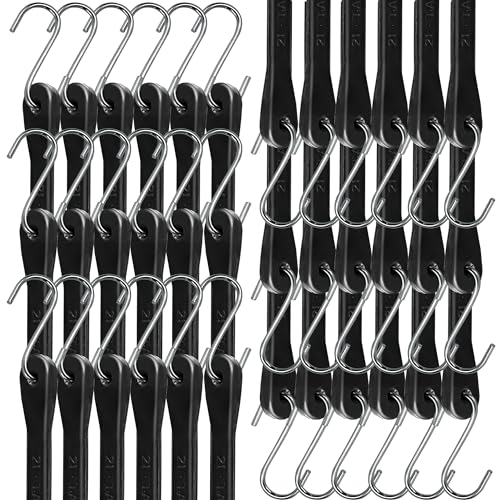
Consider utilizing furniture straps or bungee cords to tie items down. These straps can be attached to railings or fixed elements on your patio, keeping everything firmly in place.
For larger pieces, such as loungers or picnic tables, anchoring them with ground stakes can prevent movement during gusty conditions. Simply drive stakes into the ground and attach them to the furniture with durable rope.
Another option is to store smaller items in a secure location when not in use. This practice not only protects your investment but also keeps them from being displaced during storms.
Using protective covers can also shield your possessions. Invest in covers that are specifically designed for outdoor gear to avoid wear and tear while ensuring stability.
- Weighted bases for chairs and tables
- Furniture straps or bungee cords
- Ground stakes for larger items
- Secure storage for small pieces
- Protective covers for durability
Choosing heavier materials for outdoor pieces can also significantly reduce the risk of being moved by strong winds. Look for options crafted from metal or solid wood.
Regular maintenance of your setup can improve stability. Check connections and screws, ensuring everything is secure before windy seasons begin.
Understanding Wind Loads on Outdoor Seating
To effectively prevent displacement of outdoor seating and accessories, I prioritize understanding wind loads. Wind interacts with objects, applying forces that can vary significantly based on size, shape, and position.
Key Factors Influencing Wind Load
- Surface Area: Larger surfaces catch more wind, increasing the force acting on the item. I ensure that items with substantial surface areas are placed strategically or secured.
- Shape: Streamlined shapes tend to face reduced wind resistance compared to flat surfaces. When selecting items, I consider those designed aerodynamically.
- Height: Elevated items are more susceptible to wind. I avoid placing taller pieces in exposed areas unless they are anchored.
Measuring Wind Speed
Wind speed is vital for understanding potential risks. I often utilize an anemometer to measure wind speed on my property. This data guides my decisions on relocating or securing items during high wind conditions.
By analyzing these elements, I can implement more effective strategies to stabilize my outdoor furnishings against wind-induced movement.
Selecting the Right Type of Outdoor Seating
Choosing robust and heavy materials is crucial for stability. Items crafted from aluminum, wrought iron, or thick teak wood resist wind better than lightweight plastic options. I often prefer furniture with a solid base; heavier sections naturally stay grounded during gusts.
Design Considerations
Opt for designs with lower profiles, as they present less surface area to the wind. Avoid tall chairs or items with large umbrellas that can catch the breeze easily. Instead, selecting wide, heavy silhouettes can enhance stability. If possible, consider pieces that are stackable or foldable, as they can be easily stored when conditions worsen.
Weighting Options
Incorporating weighted bases or adding sandbags can enhance security for lighter setups. Commercially available weights provide additional anchoring without compromising aesthetics. Furthermore, employing non-slip pads beneath furniture legs prevents sliding on breezy days, ensuring items remain stationary.
Using Anchors and Weights for Stability
Implementing anchors is a straightforward yet effective method to secure outdoor seating and tables. Ground stakes designed for tents can be utilized; simply drive them into the ground near the legs of your items. This will create a solid connection, preventing unexpected movement during gusts.
Choosing the Right Weights
Selecting appropriate weights is crucial to maintain balance. I recommend using weighted bags filled with sand or gravel. Placing these bags over the legs of your seating or table adds extra stability. Aim for at least 10-20 pounds per item to effectively resist strong winds.
Combination Techniques
<pFor optimal safety, consider combining both anchoring systems and weights. Using anchor stakes along with weighted bags creates a robust solution for windy environments. This dual approach ensures all outdoor seating remains grounded, enhancing comfort and enjoyment without constant worry.
Securing Furniture with Straps and Bungee Cords
Use heavy-duty nylon straps or bungee cords to firmly secure items to stable structures like railings or posts. Attach one end of the strap to the furniture piece and the other end to the anchor point, making sure it is taut. This method greatly reduces the risk of movement during windy conditions.
Choosing the Right Straps
Select straps with a weight capacity that exceeds the weight of the item being secured. Look for weather-resistant materials to withstand outdoor elements, such as UV exposure and moisture. Adjustable straps allow for customized fit, offering better stability.
Installation Tips
Run the strap through or around solid furniture components for enhanced grip. Avoid wrapping around soft parts or loose sections that may not hold well. Regularly check the tightness of the straps and replace any that show signs of wear.
Choosing Wind-Resistant Designs and Materials
Selecting items with a low center of gravity plays a significant role in enhancing stability. Opt for pieces that are wider and shorter, as they are less likely to tip over or be pushed by strong gusts. Additionally, consider furniture that integrates a solid base or thick legs to secure it against the elements.
Materials Matter
Heavy-duty materials, such as aluminum or wrought iron, offer superior resistance compared to lighter alternatives like plastic or wicker. These sturdier options naturally anchor themselves better during windy conditions. When choosing fabrics, look for ones specifically designed for outdoor use with high UV resistance and weight to prevent flapping or detachment.
Design Features for Wind Resistance
Incorporate design elements that shield against air pressure, like built-in windbreaks or side panels. Choose items with a closed or lattice design which can disrupt airflow, ultimately minimizing the force applied by wind. Look for those with interlocking pieces or connectors to enhance cohesion between elements, reducing the likelihood of separation during inclement weather.
Regular Maintenance Checks for Wind Damage
I schedule inspections at least once a month, particularly before the onset of windy seasons. I begin by checking for any wear and tear on the pieces. Loose components, such as screws or joints, can compromise stability. Tightening or replacing them promptly prevents potential mishaps.
I also assess the condition of materials. Fabrics and coatings can degrade, leading to potential weakening. If I notice fading or fraying in textiles, I take immediate action–either by applying a protective spray or considering replacements.
After strong gusts, I conduct thorough evaluations. I examine the area for debris that may have struck or shifted items. Any signs of impact must be addressed, ensuring that everything remains upright and secure. I also take this time to clear excess dirt or foliage that might interfere with securing mechanisms.
Seasonal preparations are crucial. Before winter, I store everything properly or use covers to shield items from snow and ice accumulation. In spring, I check for rust or corrosion on metallic pieces, treating them with rust-resistant solutions to prolong their lifespan.
Documenting issues and solutions helps me maintain a clear history. I keep a checklist of findings and corrective actions, so I can recognize patterns over time, which aids in more informed decisions regarding replacements or upgrades.
Properly Storing Furniture During Storms
Secure every piece by relocating it to a sheltered environment such as a garage, shed, or indoor space. If space is limited, consider stacking items or using vertical storage solutions to maximize capacity.
Temporary Covers
If bringing items inside is unfeasible, invest in high-quality protective covers that are both waterproof and resistant to wind. Ensure these covers fit snugly to prevent flapping or movement in strong gusts. Utilize weights or clamps to hold them down securely.
Disassembling Components
If possible, disassemble modular pieces before inclement weather. This not only minimizes exposure but also reduces the likelihood of damage. Store smaller components in a designated area for easy access after the storm passes.
Utilizing Outdoor Furniture Covers for Protection
Invest in high-quality covers made from durable, weather-resistant materials. These covers shield pieces from the elements and minimize movement during windy conditions. Look for features like adjustable straps or elastic hems to ensure a snug fit.
Properly secured covers prevent furniture from sliding and help maintain their integrity. It’s beneficial to select covers specifically designed for your type of items, as custom fits offer the best protection against wind and debris.
Inspect covers regularly for wear and tear. A small tear can compromise protection, allowing wind to lift the cover. Replace any damaged covers to sustain their effectiveness.
Consider using a combination of covers and weights for additional stability. Products like weighted ties can further anchor the covers in place, reducing the risk of them being displaced.
Below is a comparison table highlighting different material types for outdoor covers, along with their features:
| Material Type | Weather Resistance | Durability | Cost |
|---|---|---|---|
| Polyester | Good | Moderate | Low |
| Vinyl | Excellent | High | Moderate |
| Canvas | Good | High | High |
| Synthetic Fabrics | Very Good | Very High | High |
Utilizing covers correctly not only extends the life of outdoor pieces but also reduces the need for frequent replacements. Prioritize proper care by cleaning covers as needed and ensuring they’re dry before storing them.


