
 Caleb Turner
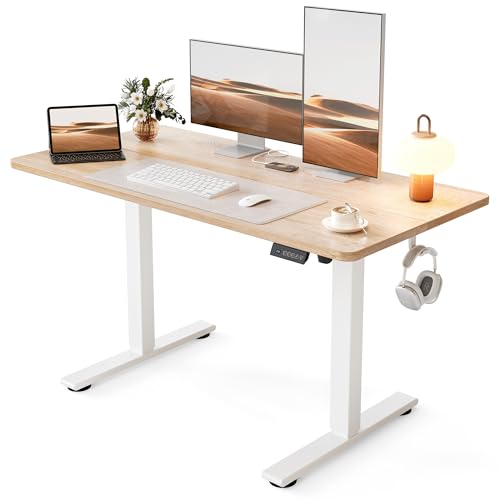
Adopt modular designs that allow reconfiguration based on team needs. For instance, selecting adjustable desks can cater to individuals who require standing options, promoting health and engagement. These configurations can adapt effortlessly to collaborative or solitary assignments.
Incorporate multifunctional elements, such as storage units that serve as partitioning elements. This practice not only maximizes vertical dimensions but also creates distinct zones for different activities, enhancing focus and interaction among team members.
Evaluate the flow of movement within the area. By placing essential tools and resources within arm’s reach, productivity can be significantly elevated. Streamlining circulation paths ensures that individuals can transition smoothly between tasks without unnecessary interruptions.


Regularly solicit feedback from colleagues on their spatial experiences. Understanding user perspectives drives continuous refinement, allowing adjustments that truly resonate with daily operations and team dynamics. This iterative approach guarantees a workspace that evolves along with collective needs.
Maximize Your Workspace Utility through Swiftspace Solutions
Opt for modular arrangements that allow quick reconfiguration based on team needs or project requirements. The adaptability of various units enables seamless transition between collaborative and individual tasks, enhancing overall productivity.
Integrate multi-functional desks and storage options. Desks that incorporate shelving or compartments eliminate clutter while keeping essential materials accessible, streamlining daily operations.
Implement Zoning for Focus and Collaboration
Create designated areas for different activities. Having quiet zones for concentration alongside dynamic areas for teamwork promotes a balanced environment and caters to diverse work styles. Swiftspace’s designs support these distinct zones without compromising aesthetics.
Promote Mobility and Flexibility
Incorporate mobile components that can be easily rearranged, such as rolling carts or portable partitions. This flexibility allows teams to quickly adapt the layout for meetings or presentations, ensuring effective use of every corner.
Assessing Current Office Layout for Improvement Opportunities
Begin by mapping out the existing arrangement. Create a detailed floor plan that includes all furniture, equipment, and pathways. Identify key areas such as collaboration zones, private workstations, and meeting spots.
Analyze traffic flow. Observe how employees navigate the environment. Are there bottlenecks or unused corners? Consider the positions of desks and communal areas. Adjust placement to facilitate better movement and interaction.
Gather input from team members. Conduct surveys or hold focus groups to understand their needs and preferences. Ask about their daily routines and any obstacles they encounter.
Evaluate the functionality of each area. Determine if the layout supports both individual tasks and teamwork. Identify spaces that may require more flexibility for group projects or quiet work.
Investigate lighting conditions. Natural light boosts morale and productivity. Ensure that work areas benefit from adequate illumination. If necessary, reposition desks closer to windows or add adjustable lighting fixtures.
Consider storage solutions. Clutter can hinder concentration and creativity. Analyze storage options to keep items organized without overwhelming the workspace. Utilize vertical space effectively to minimize foot space use.
Assess technological integration. Ensure that equipment is easily accessible. Review the placement of power outlets, networking cables, and charging stations to support seamless connectivity.
Identify potential areas for modular adaptations. Examine how flexible configurations can cater to changing needs. Revisit seating arrangements during different times of the day or week.
This step-by-step evaluation enables pinpointing specific areas for enhancement. With thoughtful adjustments, the environment becomes more conducive to productivity and collaboration.
Choosing Modular Furniture for Flexibility and Adaptability
Prioritize pieces that can be easily reconfigured to suit various tasks. For instance, selecting desks with adjustable heights allows for both sitting and standing work options, catering to different employee preferences.
Incorporate components that can be rearranged or combined, such as modular seating and workspace units. This not only promotes collaboration but also provides the opportunity to create informal meeting spots or quiet zones as needed.
When assessing the acquisition of office elements, focus on lightweight materials. These allow for swift rearrangement without excessive strain, facilitating quick adaptation to evolving team dynamics or project requirements.
Explore options that offer integrated technology, like power outlets and USB ports, seamlessly embedded into desks or tables. This enhances practicality while maintaining a clean aesthetic and reducing clutter.
Consider modular shelving that adjusts to varying heights, accommodating changing storage needs without requiring significant investment or logistics. This versatility supports both individual and team-driven initiatives.
Lastly, don’t overlook aesthetic flexibility. Choosing a cohesive palette and design style while offering various configurations ensures the environment remains inviting and conducive to productivity.
Integrating Technology with Swiftspace Furniture Systems
Incorporate smart desks that adjust height based on user preferences, enhancing comfort and promoting better posture. These desks can be connected to scheduling software, allowing for personalized settings that adapt throughout the day.
Implement cable management solutions within the modular designs, ensuring all electronic devices maintain a clean and organized appearance while minimizing hazards. Integrated power outlets in desks facilitate easy access to electricity without clutter.
Utilize software that tracks usage patterns of meeting areas and individual workstations. This data aids in making informed decisions about rearranging configurations or allocating resources more effectively.
Consider using partitions equipped with screens or sound-absorbing materials. These can house technology that aids in video conferencing, creating an immersive experience for remote collaborators while reducing background noise in shared environments.
Integrate apps for room booking and usage monitoring, allowing teams to efficiently reserve collaborative spaces. This encourages spontaneous meetings while optimizing the availability of shared resources.
Explore the use of AR for visualizing layout changes or enhancements in real time, allowing stakeholders to interactively design their environments before making physical alterations.
Utilizing Collaborative Areas to Enhance Team Dynamics
Implementing collaborative zones is key to fostering team connections and sparking innovation. Create a variety of environments that cater to different group sizes and activities, ensuring that team members can easily transition from brainstorming sessions to focused discussions.
Diverse Seating Options
- Incorporate soft seating and modular arrangements to encourage relaxed conversations.
- Introduce tall tables with bar stools to promote informal meetings and quick exchanges.
- Utilize adaptable seating that can be reconfigured based on group needs.
Smart Zones
- Establish technology-rich areas equipped with interactive screens and whiteboards to facilitate real-time collaboration.
- Designate quiet zones for heads-down work, ensuring balance between teamwork and individual focus.
- Provide portable tech gadgets, allowing teams to carry devices easily from one area to another.
Regularly solicit feedback from team members to understand their preferences for collaborative setups. Monitoring usage patterns can guide adjustments to layouts and configurations, aligning them with actual workflow. This creates an engaging atmosphere that encourages participation and strengthens interpersonal relationships.
Incorporating Storage Solutions to Maximize Floor Area
Implementing vertical storage units can significantly free up much-needed floor area. These can include tall cabinets or shelving that utilize height rather than footprint. Opting for these solutions can keep items organized while making the most of vertical real estate.
Utilize multi-functional furniture that combines seating and storage. For instance, benches or ottomans with hidden compartments offer a stylish seating option while providing a convenient place to store supplies or personal items.
Consider modular storage systems that can be customized according to your requirements. These allow for easy reconfiguration as needs change, providing adaptability without compromising on organization.
- Wall-mounted shelving is an excellent way to clear up desk surfaces.
- Under-desk storage solutions can make full use of commonly wasted areas beneath desks.
- Drawer systems that fit into existing cubicles can optimize work areas without substantial renovations.
Incorporate clear storage containers to promote visibility while keeping clutter at bay. This promotes an organized aesthetic while ensuring all items are easily accessible.
Design a strategy for document management; using archive boxes that fit on shelves can help maintain cleanliness while storing less frequently used items out of sight.
Regularly assess storage inventory to ensure that only necessary items remain. Implement a routine to identify and declutter unused objects, freeing up valuable storage space for essential resources.
Implementing Ergonomic Designs for Employee Comfort
Prioritize adjustable seating options tailored to individual heights and preferences. Chairs with lumbar support and armrests can significantly reduce strain during prolonged use.
Incorporate sit-stand desks to foster movement throughout the day. These desks allow users to alternate between sitting and standing, promoting better posture and reducing fatigue.
Smart Material Choices
Select materials that are both comfortable and supportive. Soft, breathable fabric promotes airflow, while memory foam surfaces contour to the user’s body shape, enhancing overall comfort.
Task-Specific Solutions
Create dedicated zones for different activities, such as quiet zones for concentration and collaborative areas for team projects. Provide specialized seating and surfaces to meet these diverse needs effectively.
Creating Designated Break Areas to Boost Productivity
Implementing designated break zones significantly elevates employee well-being and output. These areas should be equipped with comfortable seating and relaxing décor to encourage mental rejuvenation during work hours.
Incorporate a blend of lounge furniture and collaborative settings in these zones. This not only facilitates relaxation but also encourages casual interactions among team members, strengthening social bonds.
| Component | Details |
|---|---|
| Seating | Use modular couches and bean bags to provide comfort and flexibility. |
| Aesthetics | Incorporate plants and soft lighting to create a tranquil atmosphere. |
| Activities | Provide games or reading materials to encourage downtime activities. |
| Refreshments | Include a small coffee station or snack bar to energize employees. |
Ongoing feedback from team members about these zones is key. Regularly assess their usage and adapt the offerings based on preferences. Strategically placed signs can subtly encourage breaks, ensuring everyone engages with these areas regularly.
Consider noise control measures, such as sound-absorbing panels, to maintain a peaceful environment. This will allow workers to escape the hustle while still being in a productive mindset.
A designated break area is an investment in overall team morale. By fostering spaces where relaxation and social connections thrive, the positive effects will ripple through the organization, leading to enhanced performance and creativity.
Utilizing Color and Aesthetics for a Positive Work Environment
Incorporating specific colors into the work environment significantly impacts morale and productivity. For instance, using blue in a conference room promotes focus and calmness, ideal for meetings requiring concentration. Opt for soft greens in collaborative areas to foster creativity and restore mental energy.
Strategic Color Placement
Paint accent walls in energizing hues like orange or yellow to stimulate enthusiasm and creativity. Use neutral tones for larger areas to create a balanced atmosphere that does not overwhelm. Each section should have a distinct color palette that aligns with its intended use, ensuring a cohesive design throughout the workspace.
Aesthetic Considerations
Furniture shouldn’t just be functional. Choose pieces that enhance visual appeal through sleek, modern designs. Incorporate natural elements such as plants or artwork that resonates with employees’ values, reinforcing a sense of belonging and comfort within the workplace. Regularly rotating decor keeps the aesthetics fresh and engaging.
Lighting is another key component; opt for adjustable options that allow for varying intensities and colors. Natural light should be maximized, as it positively affects mood and energy levels. Using light-diffusing materials in curtains or blinds can help in achieving this goal.
Ultimately, a thoughtfully curated environment that combines strategic color choices and meaningful design elements contributes significantly to a positive atmosphere, encouraging engagement and collaboration among team members.
Measuring and Analyzing Post-Implementation Space Usage
Implement a robust analytics system to track how each area is utilized after introducing new configurations. Use tools like occupancy sensors, which provide real-time data on how often spaces are engaged, enabling precise assessments of high-traffic zones versus underutilized areas.
Conduct regular surveys and feedback sessions with team members to understand their perceptions of the new arrangements. Collect qualitative data, which reveals insights not captured by analytics alone. This will help identify which components of the redesign are most beneficial and which may still require adjustments.
Data Metrics for Evaluation
Establish specific metrics for evaluation: frequency of use, time spent in each space, and user satisfaction levels. Analyze these metrics against initial goals to determine areas that exceed expectations and those that fall short. Regular reviews every quarter or biannually can highlight trends that need addressing early.
Visualization Techniques
Utilize heat maps to visualize data collected from the analytics and surveys. These visual tools can pinpoint where the most engagement occurs and where stagnation exists, guiding future decisions on where modifications might enhance functionality.
FAQ:
How can swiftspace furniture systems help in maximizing the use of office space?
Swiftspace furniture systems are designed to be modular and adaptable, allowing for versatile configurations that suit various office layouts and team sizes. This adaptability means that companies can rearrange their spaces quickly to accommodate different needs, whether for collaboration, focused work, or informal meetings. With options such as foldable desks and mobile partitions, businesses can optimize their layouts without substantial costs or efforts. This flexibility not only enhances the functionality of the workspace but also improves the overall work experience by creating an environment that meets diverse requirements.
What specific features should I look for in swiftspace furniture systems?
When choosing swiftspace furniture systems, consider modularity, which allows you to reconfigure the layout easily as your team grows or project needs change. Look for ergonomic designs that promote comfort and productivity, such as adjustable chairs and standing desks. Storage solutions integrated into the furniture can help keep the space organized, while collaborative elements like communal tables or shared seating can foster teamwork. Additionally, aesthetic qualities that match your office branding and durable materials that withstand daily use are also significant factors to consider. Selecting the right features can greatly contribute to creating a functional and appealing office environment.
Can swiftspace furniture systems adapt to changing team sizes and layouts?
Yes, swiftspace furniture systems are particularly designed to accommodate varying team sizes and flexible layouts. Their modular nature allows for quick adjustments—pieces can be added or removed as needed, which is beneficial for businesses experiencing changes in workforce size. For example, if a company expands, it can easily reconfigure the existing furniture or add new components without the need for extensive renovations. This adaptability is crucial for maintaining an agile work environment, enabling teams to respond to new project demands or shifts in workflow without hassle.
What are the benefits of investing in swiftspace furniture systems for my office?
Investing in swiftspace furniture systems offers multiple advantages. First, they can lead to better space utilization, allowing you to create functional areas for various activities like meetings, brainstorming, and quiet work. Next, such systems often include ergonomic designs that enhance employee comfort, potentially leading to increased productivity and job satisfaction. Additionally, the ability to easily reconfigure the office promotes collaboration and adaptability, essential factors in modern work culture. Lastly, a thoughtful furniture arrangement can improve the overall aesthetic of the workspace, which can positively influence company culture and the impression on clients and visitors.


