
 Caleb Turner

First, determine the specific types of items you want to acquire, such as artisan pieces or handcrafted designs. Research reputable suppliers, ensuring they have a track record of delivering quality products. Connect with local businesses online or visit trade fairs to discover unique offerings. This initial step will streamline the entire process.
Next, familiarize yourself with applicable regulations. Each country has distinct customs laws, and understanding these will prevent unexpected costs or delays. Check for any restrictions on materials or specific products. Always have necessary paperwork ready for smooth transactions.
Once you’ve established a reliable network, consider the logistical aspects. Evaluate shipping options, including air and sea freight. Compare quotes and transit times from various carriers to find the most suitable service. Keep in mind that bulk purchases often yield better shipping rates.
Finally, plan your finances carefully. Factor in costs for customs duties, taxes, and potential storage if items arrive before you’re ready to display them. Keeping a thorough budget will help you avoid overspending and ensure that your investment in beautiful home accents remains within your means.
Tips for Sourcing Home Decor from Mexico
Contact a reliable supplier who specializes in traditional craftsmanship. It’s essential to establish trust with your vendor to ensure quality and consistency in the products.


Research the import regulations specific to your country. Each location has unique rules regarding tariffs, duties, and customs clearance processes that directly affect the total cost.
Evaluate shipping options meticulously. Choose between freight forwarders who can handle logistics or direct shipping services, depending on your volume and urgency. Ensure you factor in insurance to protect against potential damages during transit.
Create a detailed inventory list of items you intend to purchase, including styles and quantities. This documentation assists not only in order accuracy but also simplifies customs procedures.
Document every transaction and agreement in writing. Contracts should outline expectations, payment terms, and delivery timelines to avoid misunderstandings down the line.
Utilize local trade shows and exhibitions to connect with artisans and manufacturers. These events often showcase unique pieces and innovative designs that can set your offerings apart in the marketplace.
Consider the cultural aspects related to the products. Understanding the design inspirations and traditional methods can enhance your marketing strategy and storytelling around the items.
Engage with a customs broker if navigating the procedures seems overwhelming. Their expertise can expedite the process and ensure compliance with legal requirements.
Be mindful of sustainable practices. Many artisans use eco-friendly materials, which can appeal to a growing market segment that values environmentally-conscious purchasing decisions.
Choosing the Right Furniture Manufacturers in Mexico
I recommend researching manufacturers who specialize in high-quality wood products, as the craftsmanship in this region is often exceptional. Focus on companies recognized for their attention to detail and innovative designs. Online reviews and testimonials can provide insights into the experiences of other buyers, which is crucial when assessing reliability.
Establishing direct communication with potential suppliers is vital. Engage them in discussions about their production processes, materials used, and certifications they hold. This step helps in determining their commitment to quality and sustainability. Additionally, visiting factories, if possible, allows for firsthand evaluation of operations and product standards.
Partnering with experienced agents knowledgeable about the local market can simplify the selection process. They can offer guidance on reputable vendors and ensure that the chosen manufacturer adheres to international standards. Utilizing industry connections may also lead to beneficial agreements and pricing.
Pay close attention to the legal aspects involved. Understand the contract terms, payment structures, and warranty conditions set by the manufacturers. Clear agreements can prevent misunderstandings and ensure accountability on both sides.
Lastly, consider the flexibility of the manufacturer. An ideal partner should be able to accommodate custom orders and adapt to changing design trends without compromising quality. This aspect will enhance your offerings and keep your inventory aligned with market demands.
Navigating Import Regulations and Tariffs
To ensure compliance, familiarize yourself with the Harmonized Tariff Schedule (HTS) relevant to products typically sourced from Latin American countries. Each category has specific duty rates that can affect your overall cost structure.
Stay updated on any Free Trade Agreements, such as the USMCA, which may provide favorable tariffs for selected items. This could substantially lower import costs if applicable.
Verify the specific customs requirements that must be met upon arrival. Importing goods usually requires detailed documentation, including invoices, packing lists, and certificates of origin. Any missing or incorrect paperwork could lead to significant delays.
Engage a customs broker experienced in cross-border transactions. They can guide me through the complexities and assist in submitting accurate documentation to mitigate the risk of fines or additional tariffs.
Be prepared for inspections by customs officials upon arrival, as they may randomly select shipments for verification. This process can affect delivery timelines, so factor this into logistics planning.
Research local regulations in your destination state or country, as they may have additional requirements or taxes applicable to imported goods. It is crucial to account for these to avoid unexpected expenses.
Understanding Shipping Options and Costs
I recommend selecting between air freight and ocean shipping based on your budget and urgency. Air cargo is faster, taking days, while sea transport can take weeks but is generally more economical for large shipments.
Freight Forwarders
Utilizing a freight forwarding service can simplify arrangements. These experts coordinate logistics, manage documentation, and negotiate shipping rates. I have found that their local knowledge significantly reduces potential delays. Compare several quotes to identify the best provider. The cost often depends on volume, weight, and distance.
Customs Duties and Insurance
Remember, customs duties will impact overall expenditure. Research tariff classifications for specific items, as this will influence the total cost. Additionally, acquiring insurance is wise; it protects investments during transit, especially over long distances. I usually opt for coverage that matches the market value of the products being shipped.
Finally, I always account for additional fees like port handling, offloading, and delivery to the final destination. All these elements can accumulate, affecting the final price significantly. Hence, a detailed budget is crucial before proceeding with purchases.
Managing Quality Control During Sourcing
I prioritize establishing clear specifications for the items I aim to procure. This involves drafting detailed product descriptions that include dimensions, materials, finish, and quality benchmarks. This document serves as a reference for manufacturers and helps prevent misunderstandings throughout the production process.
Regular communication with suppliers is essential. I set up scheduled updates and checkpoints, which allow me to assess progress and address problems before they escalate. Utilizing video conferencing or messaging platforms ensures that I remain engaged with the manufacturing process.
Visiting the factory in person is an invaluable step. I arrange on-site inspections to evaluate the production environment and equipment. Observing the assembly process firsthand gives me insight into the quality and consistency of the craftsmanship.
I implement quality control measures at various production stages. Crafting a multi-stage inspection plan, I verify that the specified standards are met before moving on to the next phase. This includes checking raw materials upon arrival and conducting tests on finished pieces.
Using third-party inspectors can offer an unbiased perspective. I often hire local quality assurance professionals who understand the regional standards and practices. Their expertise helps in identifying issues that I might overlook.
Documenting all findings is crucial. I maintain a detailed log of inspections, including photographs and notes on defects. This record not only helps in tracking improvements over time but also serves as a reference should disputes arise.
Finally, I foster a long-term partnership with my manufacturers. Establishing a culture of quality excellence benefits everyone involved. I incentivize improvements and encourage feedback, which leads to higher standards and stronger relationships.
Establishing Communication with Suppliers
Contacting manufacturers requires directness. Begin with a concise email outlining your business needs. Specify product types, quantities, and design preferences to avoid ambiguity.
Utilize platforms like WhatsApp or Zoom for real-time conversations. This not only enhances clarity through immediate feedback but also helps build rapport. Video calls can be beneficial, showcasing sincerity and commitment.
Language barriers may arise. Employ translation tools if necessary, or consider hiring a bilingual representative. Clear communication is imperative to ensure that both parties are aligned on product specifications and delivery schedules.
Regularly establish check-ins to monitor progress. A weekly touchpoint can keep everything on track and address issues quickly. Maintain a written record of discussions to avoid misunderstandings.
Request samples before finalizing larger orders. This step guarantees you understand the quality and craftsmanship, leading to informed decisions. It also fosters trust, as suppliers appreciate a meticulous approach.
Be open about your business model and target market. Discussing your vision can inspire manufacturers to suggest innovative designs that align with industry trends, enhancing your product line.
Building a long-term relationship should be a priority. Consistent orders and prompt payments will encourage suppliers to prioritize your needs and offer better terms over time.
Preparing Documentation for Customs Clearance
First, I gather the necessary documents to ensure a smooth customs process. The key paperwork includes a commercial invoice detailing the description, quantity, and value of the items. Accurate itemization can prevent unnecessary delays.
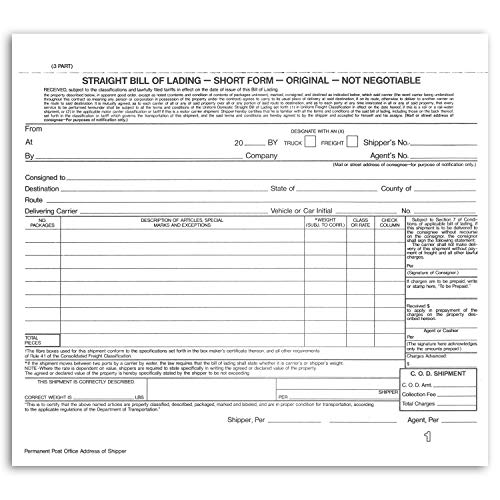
An essential part of my documentation is the Bill of Lading, which acts as a receipt and contract for the transport of goods. It’s important that this document aligns with the commercial invoice to avoid discrepancies at customs.
Key Documents to Prepare
- Commercial Invoice: This must include buyer and seller information, payment terms, and a detailed listing of goods.
- Bill of Lading: Ensures proof of shipment and provides a pathway for the release of items upon arrival.
- Packing List: Details the specifics about the packing of goods, including weight and dimensions, which aids in customs inspections.
- Certificates of Origin: May be necessary to verify the origin of goods and applicable trade agreements.
- Import Permits: Depending on the type of items, permits might be mandatory to comply with local laws.
Best Practices for Documentation
- Double-check all documents for accuracy. Any discrepancies can result in fines or delays.
- Keep copies of all paperwork for reference during the importation process.
- Consider consulting a customs broker, especially if the process feels overwhelming or unfamiliar.
Adhering to these steps makes customs clearance more manageable, enhancing efficiency and ensuring compliance with regulations.
Handling Payment Methods and Currency Issues
To ensure smooth transactions with suppliers, I opt for payment methods such as wire transfers or PayPal, which provide security and traceability. Utilizing a reliable payment processor can mitigate risks associated with international transactions.
Currency fluctuation poses a challenge, so I often negotiate prices in USD or agree on a fixed rate before the transaction. Having a currency exchange provider can help lock in favorable rates and manage costs effectively.
I also consider establishing a multi-currency account. This allows me to hold and manage different currencies, reducing conversion fees and providing flexibility in payments.
Clear communication regarding payment terms is crucial. I ensure all details–such as payment milestones or deposits–are explicitly outlined in contracts to avoid misunderstandings.
Lastly, I maintain awareness of transaction fees, as these can significantly affect overall costs. Evaluating various banking options aids in selecting the most cost-effective solution for currency exchanges.
Creating a Logistics Plan for Delivery
Identify a reliable freight forwarding partner who has experience with cross-border shipping and understands the specific challenges involved.
Establish a timeline for the entire shipment process, considering picking up goods, transit time, and customs clearance.
Outline the necessary transportation methods. It may include:
- Ocean freight for large quantities
- Air freight for urgent deliveries
- Truck transport for domestic movement
Calculate all shipping costs, including freight charges, insurance, and handling fees, to avoid unexpected expenses. Create a budget that includes:
- Freight costs
- Customs duties
- Local delivery expenses
Plan for potential delays by incorporating buffer time into the schedule. Delays can occur due to:
- Weather conditions
- Customs inspections
- Logistical issues at ports
Prepare for packaging requirements that ensure items arrive intact. Use sturdy materials suitable for long distances, and provide adequate cushioning.
Keep an open line of communication with all parties involved, including suppliers, freight forwarders, and carriers. Regular updates help manage expectations and troubleshoot problems promptly.
Lastly, develop a contingency plan to address unforeseen issues, such as lost shipments or damages. This ensures a quick response and minimizes disruptions.
Marketing Strategies for Imported Mexican Furniture
Focus on establishing a strong online presence through targeted social media campaigns that highlight unique aspects of traditional craftsmanship. Use platforms like Instagram and Pinterest to showcase vibrant visuals, perhaps by collaborating with influencers in home decor and interior design.
Create compelling content that emphasizes the storytelling angle of your products. Blog posts and videos can provide insights into artisanship and the cultural significance of the pieces you offer, which can engage customers emotionally and foster brand loyalty.
Utilize email marketing to nurture relationships with customers. Share exclusive offers, design tips, and updates on new arrivals. Segment your audience based on their past purchases and browsing behavior to tailor your messaging effectively.
Participate in trade shows and local events to present your selection directly to potential customers. Personal interactions can build trust, provide you with valuable insights, and help you understand market demand. Collect feedback to refine your offerings continuously.
Implement search engine optimization (SEO) strategies to improve visibility in online searches. Focus on keywords related to artisan craftsmanship, sustainable materials, and the cultural significance of your imported wares.
| Strategy | Description |
|---|---|
| Social Media Marketing | Create visual content that connects emotionally with target audiences. |
| Content Creation | Share stories about artisanship and cultural significance through various media. |
| Email Campaigns | Nurture customer relationships with tailored promotions and insights. |
| Trade Shows | Engage directly with customers to build trust and gather feedback. |
| SEO Optimization | Improve online visibility with targeted keywords. |
Consider offering customizable options for your clientele. This not only adds value but also enhances customer satisfaction, as buyers can have a more personal connection with their selections.
Ensure competitive pricing strategies. Analyze competitors to set prices that reflect quality while remaining attractive to budget-conscious customers. Qualitative explanations can justify higher price points if needed.


