Caleb Turner

I find that one of the most telling features of Craftsman style pieces is their use of high-quality hardwoods, often featuring oak. The rich grain and natural finish are signature traits, making it easy to spot these items from a distance. Look for a warm, earthy appearance that highlights the wood’s texture, as this is a hallmark of the movement.
Joinery methods in these creations reveal much about their authenticity. Traditional joinery techniques, such as mortise and tenon, indicate craftsmanship that stands apart from mass-produced alternatives. Inspect the connections; they should be sturdy and often left visible, showcasing the skill involved in their construction.
Examine the overall design for simplicity and functionality. Clean lines, low profiles, and a lack of excessive ornamentation characterize these pieces. The goal is to celebrate utility along with aesthetic appeal, so items will typically feature straight edges and minimal embellishment.
Another element to consider is hardware. These artisans often utilized wrought iron or cast metal fittings, which contrast nicely with the wood. Check for hand-forged elements in the handles and drawer pulls, as they often hint at a piece’s authenticity.
Finally, always look for labels or maker’s marks. Many established craftspeople left their signatures in subtle ways, whether through stamps on the underside or engraved details. If you spot these marks, it may enhance the item’s value and speak to its origin.
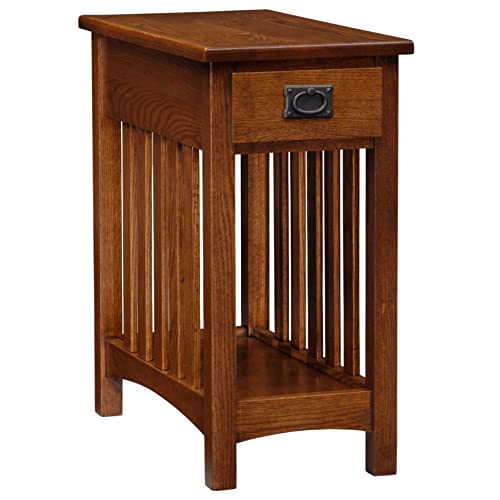


Identifying Arts and Crafts Style Pieces
Examine the construction techniques. Look for sturdy joinery, such as mortise and tenon joints, rather than staples or nails. Solid wood is preferred; oak is the most common material.
Inspect the surface finish. A natural, oiled, or lacquered finish is typical, showcasing the wood grain without heavy varnishing. Distressed surfaces are common, reflecting the handmade nature.
Assess the design elements. Angular shapes and straight lines dominate, with minimal ornamentation. Inspiration often comes from nature, evident in subtle carvings or motifs.
Check for manufacturer marks. Renowned makers like Stickley, Gustav Stickley, or Roycroft often stamped or labeled their creations, aiding in authentication.
Look at the proportions. Pieces typically exhibit a robust, substantial feel, with a focus on functionality and comfort rather than frivolous design.
Observe the hardware. Hand-forged iron fittings, with an emphasis on utility, are typically used, instead of ornate or overly decorative elements.
Research historical context. This style emerged in the late 19th and early 20th centuries, shaped by the Arts and Crafts movement, promoting craftsmanship and simplicity.
Examining the Characteristics of Mission Style
To distinguish this design genre, focus on the materials and construction. Look for solid hardwoods, commonly oak, often featuring a dark, rich finish. The grain should be prominent, and surfaces usually display a hand-rubbed appearance rather than a glossy shine.
Joinery Techniques
Pay attention to the craftsmanship involved in joining pieces. Look for visible mortise and tenon joints, which are not only sturdy but also highlight the artisanal nature of the construction. These joints often exemplify the emphasis on durability and simplicity rather than ornate detailing.
Design Elements
Observe the overall silhouette. Characteristics include straight lines, flat surfaces, and geometric shapes. Decorative elements are minimal; instead, the focus is on functionality and harmony. Furniture is often designed to complement rather than overwhelm, thereby promoting a sense of tranquility and order in the environment.
Consider the upholstery as well. Fabrics used are typically in earthy tones or natural patterns, resonating with the theme of craftsmanship and organic materials. Leather and durable textiles are common choices.
Recognizing Common Materials Used in Mission Style
In examining distinctive pieces, oak stands out as the primary wood utilized in the creation of Arts and Crafts items. Its durability and prominent grain add character. White oak, in particular, is characterized by its light color and striking texture, while red oak offers a warmer tone.
Cherry wood is another popular choice, often chosen for its rich hue that deepens over time. This wood typically features a smooth surface, highlighting skilled craftsmanship through its elegant finish.
Mahogany is occasionally found, appealing for its reddish-brown color and fine grain. Although less common, high-quality examples can command a premium.
In terms of joinery, look for mortise-and-tenon construction. This technique not only adds strength but also showcases expert assembly without visible screws or nails.
Some pieces incorporate leather elements in upholstery or accents. This material complements the wood, further highlighting the natural aesthetic that defines this style.
Finally, metal details often appear in the form of bronze or wrought iron, used for hardware or decorative features. The warm tones of these metals contrast beautifully with the woods, enhancing the overall design.
| Material | Characteristics | Common Uses |
|---|---|---|
| Oak | Durable, prominent grain | Tables, chairs, cabinets |
| Cherry | Rich hue, smooth finish | Cabinetry, decorative pieces |
| Mahogany | Reddish-brown color, fine grain | Accent pieces, higher-end items |
| Leather | Soft, natural look | Upholstery, accents |
| Bronze/Wrought Iron | Warm tones, structural strength | Hardware, decorative elements |
Understanding the Importance of Joinery Techniques
Examine the joints in woodwork carefully; they reveal much about craftsmanship. Through techniques such as mortise and tenon, dovetail, and finger joints, one can discern the quality and style. These methods not only influence the strength and durability of a piece but also reflect the artisan’s skill and intent.
- Mortise and Tenon: This classic method involves fitting a tenon into a mortise, ensuring a strong bond. Check for visible glue marks that may indicate modern shortcuts versus authentic craftsmanship.
- Dovetail Joints: Renowned for their aesthetic appeal and mechanical strength, they feature interlocking ‘tails’ and ‘pins.’ Observe if the dovetails are evenly spaced–this speaks to precision.
- Finger Joints: Commonly used in modern production, they resemble a series of interlocking fingers. While they can be efficient, authentic creations may show more traditional methods.
Also consider the type of joinery in relation to the overall aesthetic. Exposed joints may suggest a more rustic style, while hidden connections often indicate a refined design. The presence of nails or screws can also be a clue; handmade items typically avoid visible fasteners, opting instead for traditional joinery techniques.
An evaluation of these elements provides insights into the integrity and historical significance of each piece, allowing a deeper appreciation for the work involved in its creation.
Identifying the Influence of Arts and Crafts Movement
Begin with the evident simplicity in designs; the Arts and Crafts Movement played a pivotal role in shaping the aesthetics of American craftsmanship. Look for clean lines and functional forms, distinguishing features that serve both utility and beauty.
Examine the presence of natural materials. This movement emphasized the use of wood, particularly oak, often finished to highlight its grain rather than obscuring it with paint or varnish.
- Pay attention to the joinery techniques; visible dovetails and mortise-and-tenon joints indicate handcrafted work typical of this era.
- Look for hand-hammered metal fittings. Iron hardware, often crafted with care, reflects the artisanal influence.
Consider the overall proportion and scale of pieces. Each item is designed to be both functional and aesthetically pleasing, prioritizing balance and comfort.
Intricate details may include stained glass elements or engravings that showcase the craftsmanship, spotlighting the artisan’s dedication to creating unique and lasting works.
Lastly, observe color palettes. Natural tones and hues dominate, often inspired by the natural world, reinforcing the movement’s connection to craftsmanship and organic beauty.
Assessing the Finish and Upholstery Typical of Mission Pieces
Look for a deep, rich finish, often achieved with stains rather than paints. This woodwork typically exhibits a warm glow, showcasing the natural grain of the materials used. Pay attention to the color; many pieces feature shades of oak or cherry, which have a cool, aged appearance.
Characteristics of the Finish
A key aspect of authentic pieces includes their matte or satin finishes. A shiny surface is often a sign of less authentic reproductions. Examine for any signs of distress or wear that indicate age while appreciating the craftsmanship. The patina, or natural aging of the finish, enhances the allure of most items.
Upholstery Examination
For seating components, inspect the upholstery fabric. It should reflect the era’s preference for durable, earthy materials such as leather, canvas, or heavy cotton. Patterns are often geometric or naturalistic, aligning with the Arts and Crafts Movement ethos. If the fabric feels delicate or overly modern, it may signal a later, less accurate reproduction.
When examining stitching, look for a hand-stitched appearance; machine stitching can indicate a more contemporary piece. Ensure the stuffing is not synthetic, with natural fibers being the standard for authenticity. Carefully checking these details will provide a clearer picture of the item’s origin and quality.
Distinguishing Between Original and Reproduction Arts and Crafts Creations
Examine the joinery closely. Authentic Arts and Crafts pieces typically showcase mortise and tenon joints, indicative of superior craftsmanship. Reproductions may rely on less effective methods like dowels or glue, which compromise structural integrity.
Analyzing Wood Quality
Assess the wood type used. Original items often feature quarter-sawn oak, which displays stunning grain patterns and durability. Reproduction variants may utilize cheaper woods like plywood or less resilient softwoods, diminishing their value.
Checking for Makers’ Marks
Makers’ marks are a significant clue. Authentic pieces from renowned manufacturers bear specific stamps or labels. Familiarize yourself with these identifiers, as they can reveal a lot about the item’s provenance. Conversely, reproductions may lack these distinguishing marks or have generic labels.
Inspect the finish as well. Genuine works may exhibit a handcrafted finish with a rich patina, while reproductions often feature artificial stains or overly glossy surfaces. The tactile experience of the finish can also differ significantly.
Observe the overall design. While reproductions strive for authenticity, they might fail to capture the subtle nuances and imperfections that characterize original pieces. The feel of a well-worn item can often be recognized through its unique detailing.
Evaluating Iconic Designers and Manufacturers in Mission Furniture
To appreciate the true essence of this style, one must look into its key architects and producers. Notable names include Stickley, the most prominent figure. His company, founded in the late 19th century, is synonymous with the aesthetic. The craftsmanship found in Stickley pieces is often unmatched, characterized by square joints and exposed joinery.
Another significant contributor is McIntosh; their work is known for blending traditional techniques with contemporary designs. McIntosh pieces often exhibit the hallmark simplicity and functionality, making them a sound choice for collectors.
Examining Historical Context and their Impact
Understanding the historical context of these creators adds depth to their work. Stickley was influenced heavily by the Arts and Crafts movement, which celebrated artisanal methods and sought to counter mass production. This philosophy directly translated into the materials and methods he used, making his creations highly sought after.
Likewise, Thomas Moser, a more recent figure, has made significant strides in merging classic traditions with modern sensibilities. His pieces may differ in design but maintain the integrity of craftsmanship.
Recognizing Value in Signature Styles
When evaluating specific manufacturers, always check for signatures or labels. Stickley’s branding often includes a signature on the underside of a piece, while other manufacturers such as Craftmaster or Riverside provide identifying marks in their designs.
Examining the consistency of design across collections is also revealing. Genuine items reflect a uniformity in materials and techniques, often with slight imperfections that attest to their handmade origin. This authenticity not only enhances value but also captures the spirit behind the creation.
Utilizing Resources for Authenticating Mission Furniture
Visit specialized libraries or archives that focus on early 20th-century design. They often house rare books, period magazines, and catalogs featuring original designs and descriptions of iconic pieces.
Online Databases and Auction Platforms
Many auction houses and antique dealers maintain online catalogs. Reviewing photos and descriptions from these listings can provide insights into craftsmanship and details that characterize authentic designs. Examine photos from recognized auctions for clues about genuine items.
Join Collector Forums and Societies
Engage with communities dedicated to this specific style. Experienced collectors share their knowledge on identifying features, provenance, and restoration practices. Participating in discussions can reveal valuable information that aids in differentiating an original from a reproduction.