
 Caleb Turner

To unmistakably spot G-Plan items, first examine the craftsmanship. These pieces are characterized by their robust construction, often made from high-quality hardwoods like teak or oak. Look for clean lines and a minimalist design that highlight the beauty of natural materials. Each item typically reflects a balance of functionality and form, showcasing that mid-century modern aesthetic.
Next, check for the distinctive G-Plan logo, which often appears on the underside of drawers or inside cabinet doors. This logo is a reliable indicator of authenticity and can assist in verifying the piece’s origin. Additionally, the presence of original hardware, like brass handles or unique drawer pulls, can further signal that you’re dealing with a genuine G-Plan creation.
Another key element is the scale of the design. G-Plan’s pieces are often designed to fit comfortably within various spaces, making them versatile for different interiors. Keep an eye on features such as tapered legs, which contribute to the overall silhouette of the item, as this was a common stylistic choice in their production.
Finally, research specific collections, such as the ‘G-Plan E Gomme’ range, each with its unique attributes, often influencing the collectibles market. Familiarizing yourself with these collections will enhance your abilities to discern between original creations and reproductions when hunting for that perfect addition to your home.
How to Identify G Plan Furniture
Examine the construction for distinctive features like clean lines and functionality. Look for the signature tapered legs that are a hallmark of this brand’s design ethos.
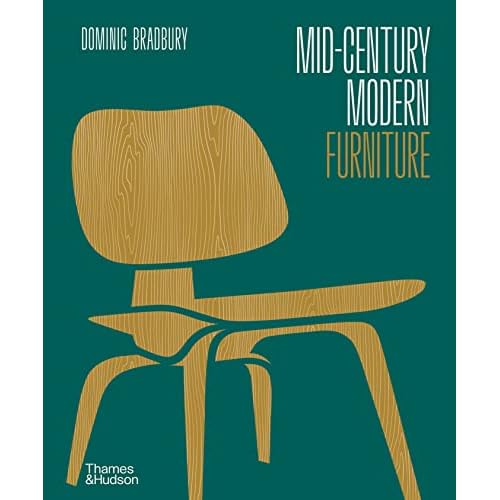

Check the joinery; G Plan typically employs high-quality craftsmanship, often utilizing dovetail joints in drawers.
Inspect the materials used. Authentic pieces are crafted from solid woods, often teak or walnut, showcasing a rich finish that highlights the grain.
Identify labels or stamps. Genuine items often carry a distinctive G Plan mark or logo, typically affixed to the underside or back of the piece.
Pay attention to the style. G Plan designs span various aesthetics, with a focus on mid-century modern motifs, but common elements include organic shapes and innovative storage solutions.
Compare with known catalog references or trusted sources to establish authenticity and date. Collectors often keep detailed records or visual guides for this purpose.
Engage with the community of enthusiasts; forums and social media groups can provide insights and validation. Members often share photos and discuss characteristics that define authentic pieces.
Recognizing G Plan Design Features
Examine the legs of pieces; G Plan often features tapered legs that lean towards a splayed stance, enhancing the mid-century aesthetic. The wood finish is typically teak or oak, known for its rich grain and warm tones.
Upholstery and Patterns
Look for distinctive fabric patterns, such as geometric shapes or bold colors. G Plan often utilized high-quality, durable textiles, reflecting both style and practicality.
Signature Styling
Pay attention to the clean lines and minimal ornamentation. Designs prioritize functionality while maintaining an elegant silhouette. Curved edges and rounded profiles mark many of their offerings.
| Feature | Description |
|---|---|
| Leg Design | Tapered, splayed styling |
| Wood Type | Teak or oak finishes |
| Fabric Patterns | Geometric and bold colors |
| Styling | Clean lines, minimal ornamentation |
| Edges | Curved and rounded profiles |
Understanding G Plan Labels and Marks
To decode G Plan pieces, examine the labels affixed by the manufacturer. Authentic items typically display a golden or silver sticker with the G Plan name alongside a unique number to verify craftsmanship and date of production. Look for variations in these labels as they may indicate specific design eras or collections. Early 1960s items might feature a simpler logo, while later iterations could include additional details regarding the designer or collection name.
Moreover, many pieces include a stamped identifier on the underside or back. Familiarize yourself with the different stamps over the decades; these can reveal a wealth of information about design style and authenticity. If a piece lacks any marking, it may compromise its collectibility, but unique characteristics might still authenticate it as a genuine G Plan article.
Documentation also plays a key role in verifying authenticity. Original sales receipts or brochures can serve as excellent references, especially when the label is missing or unclear. Researching online archives or collector communities can provide insights into specific markings used throughout G Plan’s history, enhancing your understanding of what makes each piece unique.
Examining Materials Used in G Plan Furniture
Inspecting the materials of this line is crucial for accurate assessment. G Plan is renowned for its quality craftsmanship, often utilizing specific woods and textiles.
Common Wood Varieties
- Teak: A popular choice, notable for its durability and resistance to the elements. Look for rich, warm tones.
- Oak: Frequently used, particularly in earlier designs, this hardwood offers a robust finish and visible grain patterns.
- Walnut: Valued for its rich color and intricate grain, walnut finds its way into higher-end pieces.
Upholstery and Finishes
- Leather: Premium models might feature leather upholstery, often with a fine grain.
- Textiles: Wool and cotton blends are common. Check for fabric labels indicating quality and manufacturer.
- Stains and Varnishes: Original pieces often have specific finishes that enhance the wood’s natural beauty. Look for a smooth, even application.
Identifying the materials not only helps in authenticating the item but also sheds light on the era and craftsmanship behind each piece. Take time to examine closely for any signs of wear or restoration, as these can also offer insights into the furniture’s history.
Identifying G Plan Styles and Collections
Pay attention to the specific design era and collection associated with G Plan. Notable styles include the ‘Siesta’ and ‘Scandi’ ranges. The Siesta collection features low-profile, wide seats and geometric shapes, while Scandi pieces often showcase clean lines and Nordic influences. Each collection has distinct characteristics that set it apart.
Recognizing Iconic G Plan Pieces
Look for signature items, such as the G Plan ‘Chic’ armchair or the ‘Sculptural’ dining table. The armchair typically has a unique, curved backrest, and the dining table showcases layered wood elements. These characteristics make them easily recognizable and sought after by collectors.
Exploring G Plan’s Design Philosophy
Familiarize yourself with the design principles that guide G Plan creations. Their pieces emphasize functionality combined with modern aesthetics. Elevated legs, minimalist forms, and innovative storage solutions are often hallmarks of G Plan’s vision, reflecting a balance between form and practicality.
Distinguishing G Plan from Other Brands
Check for specific construction techniques exclusive to G Plan. Look for the distinctive dovetail joints in drawers and the overall sturdiness of the pieces. Unlike many other manufacturers, the craftsmanship shows a focus on durability and quality.
Examine Unique Design Elements
Focus on the clean lines and organic shapes typical of G Plan’s aesthetic. Commonly, you’ll find tapered legs and an emphasis on functionality. Contrast these with more ornate styles from other brands, which might lean towards traditional designs or excessive embellishments.
Analyze Upholstery and Color Schemes
Assess the fabric choices; G Plan often utilized vibrant colors and striking patterns during the 1960s and 1970s. These textiles differ from the muted tones prevalent in many other collections. If you spot bold patterns and colors, there’s a good chance it’s a G Plan piece.
Appraising the Condition and Value of G Plan Items
Evaluate each piece’s condition meticulously, focusing on structural integrity and surface appearance. Start with an inspection for scratches, dents, or discoloration. Minor wear can reduce value, while significant damages could warrant repair considerations.
Key Factors to Examine
- Surface Quality: Check for any signs of damage such as stains or fading. Original finishes often enhance value.
- Joinery: Look for well-crafted joints. High-quality construction is indicative of authenticity and durability.
- Functionality: Ensure drawers and doors operate smoothly. Functional issues typically detract from overall worth.
Research recent sales of comparable pieces to gauge market value. Online platforms often provide insights into current trends and pricing.
Documentation and Provenance
- Original Labels: Presence of original tags or manufacturer labels can significantly boost interest.
- Historical Context: Details about previous ownership or restoration history can add to the narrative and improve desirability.
- Tangible Records: Keep receipts, appraisals, and any documentation regarding repairs or alterations organized. This substantiates the item’s history and value.
Accurate appraisals require continuous education about market dynamics. Stay informed through antique shows, forums, or literature dedicated to mid-century designs.


