Caleb Turner
I recommend seeking assistance from local moving companies that offer specialized services for transporting singular items. Focus on businesses with good reviews and ratings specifically related to small moves, as they tend to understand the nuances involved in handling delicate or bulky objects.
Directly approach these firms, providing clear details about the item you need to change locations. Share dimensions, weight, and any specific handling requirements. This transparency will enable them to give you accurate quotes and determine necessary equipment, like dollies or padding.
Consider asking friends or neighbors for recommendations to find reliable workers. Personal referrals often lead to trustworthy options. Additionally, online platforms dedicated to connecting clients with movers can be beneficial; they allow you to compare services and read testimonials from previous customers.
Finally, confirm their availability to fit your schedule and inquire about insurance options. It’s wise to ensure that your belongings are protected during transport to avoid potential damages.
Selecting a Service for Relocating Household Items
Gather detailed information regarding transporters. Research local businesses specializing in item relocation or search online platforms for gig workers. Verify their ratings and read reviews to ensure reliability.


Establishing Requirements
Clarify specific needs for the task:
- Type and dimensions of the item
- Current and new locations
- Access challenges such as stairs or narrow hallways
- Preferred moving date and time
Budget Considerations
Determine an appropriate budget for this service. Costs may vary based on:
- Distance between locations
- Weight and size of the item
- Timeframe of service provision
Request quotes from several providers. Compare pricing and included services, such as packing or unloading assistance. Choose an option that fits your budget without sacrificing quality.
Once a candidate is selected, confirm details such as insurance coverage for potential damages. Clear communication will help facilitate a smooth experience during the relocation process.
Identify the Type of Furniture to Be Relocated
First, determine the specific object requiring transport. Categorizing it correctly aids in selecting appropriate assistance. Common types include:
| Category | Description | Considerations |
|---|---|---|
| Large Items | Beds, sofas, and cabinets | Need additional manpower and equipment for safe handling |
| Heavy Appliances | Refrigerators, washing machines | Check for specialized moving services to handle weight and electrical connections |
| Delicate Objects | Antiques, glass tables | Require careful packing and insuring to prevent damage |
| Office Equipment | Desks, chairs | Disassemble where necessary to ease transport |
Assess the dimensions, weight, and fragility to provide accurate information to potential services. This clarity fosters proper planning and ensures the right tools are utilized.
Determine the Distance and Accessibility for Moving
Assess the route between your starting point and destination. Consider the total distance; short trips may require less effort and resources than longer ones.
Evaluate accessibility. Check doorways, hallways, staircases, and any potential obstacles. Measure widths and heights to ensure that the item can pass through without damage.
Account for any complex areas such as narrow stairwells or tight corners which may complicate transportation. If applicable, investigate whether elevators are available or if special equipment is needed.
Consider the parking situation. Ensure that there is adequate space for loading and unloading. Limited parking can increase the time and effort required during the transition.
Decide on the best route based on the aforementioned factors, prioritizing safety and convenience to minimize complications during the process.
Research Local Moving Services Specializing in Small Jobs
To find suitable local providers for transporting your item, I began by browsing online directories and review platforms. Websites like Yelp or Angie’s List can yield valuable insights into customer satisfaction and service quality. Prioritize companies that explicitly mention small load services or single item relocations.
Next, I created a list of potential candidates based on star ratings and client feedback. While reviewing, I focused on comments related to reliability, professionalism, and punctuality. This approach allowed me to eliminate options that may not meet my standards.
Additionally, reaching out to friends or family for recommendations often leads to trustworthy suggestions. Personal experiences can provide insights that online reviews may overlook.
Furthermore, I compared pricing structures among different services. Some providers charge an hourly rate, while others may have fixed fees for minor tasks. By obtaining quotes from multiple businesses, I ensured I could select the best value.
Lastly, I evaluated the services’ insurance policies. A well-insured company can offer additional peace of mind, knowing my belongings are protected during transit. Verifying this aspect helped me make a well-informed decision.
Check Reviews and Ratings of Potential Movers
I always begin my search for reliable transport services by examining reviews and ratings from previous clients. Websites like Yelp, Google Reviews, or Angie’s List provide a wealth of information regarding the experiences of others. Focus on both the overall rating and the written feedback to gauge reliability and performance.
Analyze Consistency in Feedback
When reading comments, look for patterns. Consistent issues mentioned by several individuals, such as delays or carelessness, signal potential problems. Conversely, repeated praise for punctuality and careful handling of valuables suggests a trustworthy option. Pay close attention to recent reviews; these tend to reflect the company’s current standards more accurately.
Consider Third-Party Endorsements
Check if the moving service has affiliations with reputable organizations, such as the Better Business Bureau (BBB). These endorsements add credibility and often include additional information about their business practices. Also, seek out any ratings from industry-specific platforms, which can provide further insights.
Finally, don’t hesitate to reach out to past clients if possible. Personal recommendations can offer an additional layer of confidence in your choice.
Request Quotes and Compare Prices
I recommend reaching out to multiple services to gather quotes for your task. This approach not only provides various price points but also gives insight into the range of services offered. When requesting estimates, be specific about the item’s dimensions, weight, and any particular handling requirements. Providing details about the pickup and delivery locations will help the service providers give you accurate quotes.
Ensure to ask about any additional fees that may not be included in the initial estimate, such as charges for stairs, long-distance transport, or specific time windows. This transparency will aid in a more precise comparison.
Once I have collected several quotes, I make a table listing each service, their offered prices, and any special conditions. This visual comparison helps highlight which services might offer the best deal based on both price and terms. Additionally, some services provide discounts for local jobs or off-peak hours; looking out for these options can result in savings.
After evaluating the costs, I also weigh the reputation of each service. Low prices can be appealing, but they shouldn’t compromise quality. Prioritize balancing cost with the reliability and professionalism of the movers. This assessment is pivotal to ensure a smooth transition for your item.
Ask About Insurance and Liability Coverage
Before finalizing any arrangements, I always inquire about insurance policies and liability coverage offered by the service provider. It’s crucial to ensure that my belongings are protected during transport. I specifically ask if their insurance covers damage or loss, and to what extent. Understanding what the policy includes can save me from unexpected financial burdens.
Verification of Coverage
I request proof of insurance to ensure its validity. It’s beneficial to check if the company has general liability insurance, as it provides protections against potential damages to my property or injury to individuals involved in the relocation. This reassurance gives me confidence that I’m dealing with a responsible and trustworthy vendor.
Discuss Additional Coverage Options
If the standard coverage seems insufficient, I inquire about any additional options available. Some companies offer supplemental insurance policies tailored for higher-value items. Evaluating these choices helps me make informed decisions, ensuring maximum protection for my valuables throughout the entire process.
Confirm Availability and Schedule the Relocation
I recommend reaching out directly to shortlisted professionals to confirm their availability for your required timeframe. Some may have busy schedules, particularly during weekends or holidays, so it’s prudent to inquire about open slots as soon as possible.
Propose a Timeframe
Offer a few date options to provide flexibility. Clarify whether a specific day or a range of dates works better for them, and be prepared to adapt your plans accordingly. An understanding of their peak working hours can also facilitate the scheduling process.
Discuss Duration and Logistics
Once a date is settled, discuss the estimated time it will take for the task. Confirm details like parking arrangements and any potential obstacles at both the pickup and drop-off locations. This will help everyone involved to be well-prepared and avoid unexpected delays on the day of the task.
Prepare the Furniture and Surrounding Area for Moving
Clear the path to ensure a smooth transition. Remove any obstacles that may block access, such as rugs, decorative items, or small furniture. This allows for a safe and uninterrupted route.
Remove any detachable components from the item, such as legs, cushions, or shelves. This reduces weight and simplifies handling. Wrap these parts separately to avoid damage.
Clean the item and the surrounding area. Dusting and wiping surfaces free of debris will enhance protection during the process. If the item includes glass or fragile components, consider using bubble wrap or blankets for added security.
Measure Spaces and Dimensions
Check the dimensions of the item and the spaces it will traverse. Measure doorways, hallways, and staircases to ensure the item can pass through without difficulty. If the object is bulky, note any tight corners or turns that may require extra effort or a different approach.
Prepare the Surrounding Area
If the new location includes stairs or tight spaces, assess how these factors affect the arrangement. Consider relocating smaller items or furniture in advance. Discuss the best strategy with those assisting to ensure clarity and teamwork during the process.
Provide Clear Instructions on Handling and Placement
To ensure a smooth transition, I always detail how to handle and position the item. Start by outlining the correct lifting technique to prevent injuries. I suggest bending at the knees, keeping the back straight, and using both hands for a secure grip.
Handling Guidelines
- Specify whether the item should be lifted or rolled.
- Indicate any fragile components that require extra caution.
- Inform about the need for padding or wrapping to protect surfaces.
Placement Directions
- Describe the intended location clearly, noting any obstacles in the path.
- Provide measurements of the destination area to ensure a proper fit.
- Request positioning in a specific orientation if necessary, such as facing a certain direction.
By communicating these details clearly, the process becomes more efficient, reducing the possibility of damage and ensuring satisfaction with the final placement.
FAQ:
What steps should I take to find someone to move a single piece of furniture?
Begin by identifying the type of furniture you need moved and its size. Then, seek recommendations from friends or family. You can also search online for local moving services that advertise furniture moving. Once you find a few options, check their reviews and ratings. Contact them for quotes and ask about their experience with similar jobs. Choose the service that fits your budget and schedule, and confirm the details before the moving day.
How much does it typically cost to hire someone to move one piece of furniture?
The cost can vary significantly based on several factors including the distance the furniture needs to be moved and the complexity of the task. On average, local movers might charge between $50 to $150 for a small job. If you’re moving within the same building, it can be on the lower end of that range. Be sure to get a quote in advance and ask about any additional fees that may apply.
Are there specific types of movers who specialize in moving furniture?
Yes, many moving companies offer specialized services focusing on furniture transport. Some may have teams specifically trained in handling delicate or heavy furniture. It’s advisable to choose companies that have experience in moving the type of furniture you need to ensure careful handling. Look for those with good reviews regarding furniture moving to make a better-informed decision.
What questions should I ask movers before hiring them?
Before hiring movers, inquire about their experience with furniture moving, insurance coverage, and any additional fees. Ask them what equipment they use for larger or delicate items and their approach to protecting your furniture during the move. It’s also important to learn about their availability and if there are any cancellation policies. A clear understanding here can help avoid surprises later on.
How can I prepare my furniture for the move?
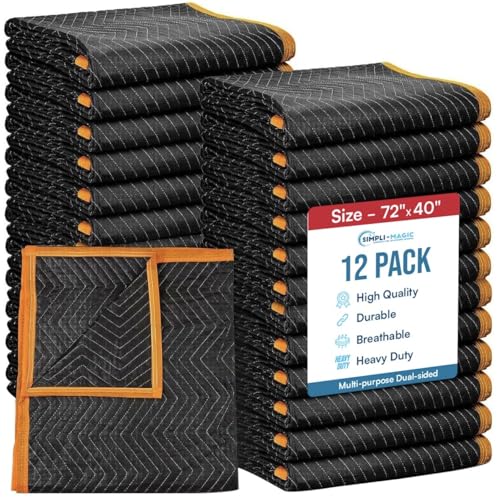
To prepare your furniture, start by cleaning it and removing any loose items or accessories. If possible, disassemble larger pieces to make the move easier. Protect surfaces with moving blankets or bubble wrap to prevent scratches. Ensure that the path for moving is clear and that doorways are wide enough for the furniture. Let the movers know about any challenges they might face, like staircases or tight corners.’
What should I consider when hiring someone to move a single piece of furniture?
When hiring someone to move a single piece of furniture, consider several factors. First, assess the size and weight of the item. This will help you determine if specialized equipment or extra manpower is necessary. Next, look for movers with experience in handling similar items to ensure they are capable of managing the weight and dimensions without damage. Check reviews or ask for recommendations to find reliable services. Additionally, inquire about their insurance policy; this protects you in case of accidents or damage during the move. Finally, discuss the cost upfront, including any additional charges for stairs or long distances, so there are no surprises on the day of the move.
How can I find a reliable mover for a small job like moving one piece of furniture?
To find a reliable mover for a small job, start by searching online for local moving services that specifically mention small or single-item moves. Read reviews on platforms like Yelp or Google to gauge customer satisfaction. Social media can also be a useful tool to ask for recommendations from friends or community groups. Once you have a few options, contact each mover to discuss your needs. Ask about their experience with similar jobs and how they handle items to avoid damage. Get quotes from multiple services, which can help you compare prices and understand the market rate for your specific situation. Finally, confirm their licensing and insurance to ensure you’re working with a legitimate business.