
 Caleb Turner

Positioning items outside of a residence requires careful planning and execution. First, assess the size and weight of the object in question to determine the appropriate equipment needed, such as a pulley system or sturdy ropes. Ensure that the surrounding area is clear of obstacles and potential hazards that could impede the operation.
Next, gather a reliable team of helpers to manage weight distribution and provide support throughout the process. Assign roles: one person should handle the rigging and control of the line, while others assist in guiding the item into place. Clear communication is critical; establish a system of signals to coordinate each move accurately.
Before commencing, inspect the location where the item will be placed. Reinforce the ledge or surface if necessary, ensuring it can withstand the weight without risk of collapse. Taking these steps minimizes risks and maximizes chances for a successful outcome. Properly securing the object once it’s elevated is just as important; use straps or brackets to ensure it remains stable in its new position.


Assessing the Window Size and Structure
Measure the dimensions of the opening to ensure adequate space for the item. Start by recording the height and width; it’s advisable to measure at several points due to potential irregularities in the frame.
- Height: Measure from the sill to the top of the frame.
- Width: Measure from side to side, checking at both the top and bottom.
Next, inspect the structural integrity. Check for any obstructions such as window locks, screens, or frameworks that could hinder the movement of the object. Identifying these elements early can save time later.
If possible, assess the weight capacity. Older structures may not support heavy loads; consult any available building specifications for guidance. If the integrity of the casing appears compromised, consider reinforcing it before proceeding.
- Look for signs of rot or wear in wooden frames.
- Inspect metal frames for rust or bending.
Evaluate the surrounding environment. Consider how close you can get to the boundary of the structure. Check for nearby trees, power lines, or other obstacles that may impede access or complicate the maneuver.
Lastly, verify if the window can be fully opened without restriction. Inoperable or stuck frames can add an unnecessary complication to the process. If it doesn’t open wide enough, consider removing the entire sash if it’s feasible and safe.
Gathering the Right Equipment for Hoisting
Gather appropriate tools to ensure a smooth lifting experience. The following items are crucial:
- Rope or Strap: Choose a strong, lightweight rope or heavy-duty lift strap. Look for a material with a high weight capacity to prevent accidents.
- Pulleys: Incorporate pulleys to distribute weight evenly. Opt for durable pulleys designed for lifting.
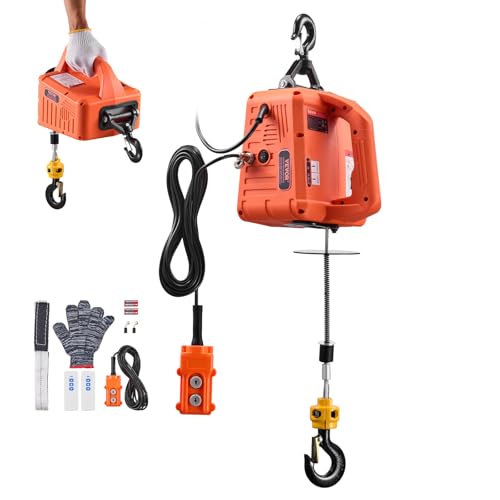
- Hoisting Equipment: Depending on the size, a hand winch or electric hoist might be necessary. Verify the lifting capacity matches the object’s weight.
- Protective Padding: Use blankets or padding to cover the item being lifted. This minimizes damage to both the object and the building exterior.
- Gloves: Wear robust gloves to ensure a firm grip while handling ropes or other lifting tools. This also protects against friction-related injuries.
- Safety Goggles: Protect your eyes from debris and unexpected incidents during the lifting process.
Additionally, confirm that you have enough manpower to assist. Depending on the size and weight, enlist two or more individuals for safe handling. Assess your team’s ability to coordinate effectively.
Lastly, practice proper communication signals before starting. This ensures that all members are in sync and aware of their roles during the lift.
Preparing the Furniture for Hoisting
Remove any loose items and detachable components. This includes cushions, legs, or shelves that can add weight or create balance issues. For larger pieces, disassemble them as much as possible to make handling easier.
Wrap the item securely with blankets or bubble wrap to prevent scratches and damage during the lift. Secure the wrapping with tape, ensuring it won’t come loose.
Consider using straps or ropes to create a stable grip. Attach them at balanced points to avoid tipping. Make sure the fastening is strong enough to support the object’s weight.
Label each disassembled piece if applicable, to facilitate quick reassembly once the item is in its new location. Keeping parts organized can save time and effort later on.
Check the structural integrity of the piece; ensure it can withstand the stress of being lifted. Repair any weak points before proceeding.
Test the weight by lifting one end to ensure it’s manageable for those involved in the process. If it feels too heavy, reconsider your approach or seek additional help.
Determining the Best Hoisting Technique
First, assess the weight and dimensions of the item being elevated. A lighter piece allows for simpler techniques, while heavier objects require more stable systems, like pulleys or cranes. Once I know the weight, I choose between manual lifting with ropes or mechanical devices based on the situation.
If the article is bulky, I ensure a two-person operation is feasible. Using a systematic approach, I’ll divide the weight, so each person handles manageable sections. Coordination is vital, so we must establish clear communication throughout the process.
The angle of elevation matters significantly. I aim for a ratio that minimizes strain, approximately 45 degrees if possible. This not only eases lifting but also enhances control, reducing the risk of dropping it.
During the positioning phase, leverage is important. Utilizing a tripod or A-frame can be beneficial for larger pieces, while smaller objects might require a straightforward belt system. Each method should prioritize stability and safety, enabling a secure ascent.
Before executing, I visualize the entire process. It involves preparing the path to ensure no obstruction exists and the item can maneuver freely into its new location. If any doubt arises regarding the technique or setup, I opt for assistance or professional recommendations to ensure safety and success.
Ensuring Safety During the Hoisting Process
I secure the area beneath the lifting operation, ensuring that no one is in the zone where items might fall. Clear communication with my team is critical; we establish hand signals or use two-way radios to convey messages precisely. This helps in coordinating our movements without confusion.
I conduct a thorough inspection of the straps, ropes, or slings before each lift, checking for any signs of wear or damage. If anything seems compromised, I replace it immediately. Proper knots and secure attachments are crucial for stability, ensuring that everything remains firmly in place during the elevation.
Positioning is vital: I maintain a clear view of both the load and the entry point. This allows me to monitor the lift effectively and make adjustments as necessary. I also account for wind conditions, especially when performing this task outdoors, as strong gusts can destabilize the load.
For added safety, I wear appropriate personal protective equipment (PPE), including gloves and a hard hat. Additionally, I encourage my team to do the same. This reduces the risk of injury should anything go wrong.
Calculating the weight and balance of the object is essential. If an item feels off-balance, I adjust its positioning before proceeding. This assessment helps prevent tipping or sliding as I raise it through the opening. Maintaining a steady, controlled pace mitigates the risk of accidents.
Involving Helpers for a Smooth Operation
Enlist a few trustworthy friends or family members to streamline the entire process. Clear communication is key; ensure everyone understands their role prior to starting. Assign specific tasks to each person, such as holding the rope, stabilizing the item, or guiding it into position. This division of labor increases efficiency and reduces the risk of accidents.
Coordinating Timing and Movements
Establish a rhythm among the team. Count down together before initiating movements to ensure everyone acts simultaneously. Practice the motions beforehand, so each member knows when and how to adjust their position in response to the shifting angle of what’s being elevated.
Utilizing Proper Techniques
Instruct helpers to maintain a steady grip without excessive force. Combining coordinated efforts with adequate lifting techniques significantly minimizes strain and enhances overall control. Make sure each individual is aware of the importance of communication during the maneuver to adapt quickly to any unforeseen challenges that may arise.
Securing Items Once Inside
Once I’ve managed to get the items inside, the next step is to make sure they are stable and safe to prevent any damage. First, locate suitable placements for each piece. Ensure that heavy articles are positioned on the floor and lighter ones on top. This will provide better stability.
Using Proper Supports
Incorporate wedges, furniture pads, or shims to eliminate gaps between the piece and the floor or walls. This approach minimizes movement during use or transit within the space.
Fastening for Stability
For larger pieces, like cabinets or bookshelves, use brackets or straps to secure them to the wall. This prevents tipping, especially in homes with children or pets. Ensure these fastenings are appropriate for the weight and material of the articles.
| Type of Item | Recommended Fastening Method |
|---|---|
| Bookshelf | Wall brackets |
| Cabinet | Corner braces |
| Desk | Adhesive pads |
| Sofa | Heavy-duty straps |
Lastly, be cautious when arranging items close to windows or doors to avoid obstructions. Regularly check the stability of all secured pieces, especially after any significant movements within the space. Adjustments may be necessary to maintain safety and order.
FAQ:
What tools do I need to hoist furniture through a window?
To hoist furniture through a window, essential tools include a sturdy rope or lifting straps, a pulley system (if available), a window-cleaning brush for clearing the area, and perhaps protective padding or blankets to safeguard both the furniture and the window frame. Having a second person to assist can also be beneficial for coordinating the lift and ensuring stability.
How do I prepare the furniture for hoisting through a window?
Before hoisting furniture through a window, it’s important to prepare it properly. Start by removing any loose parts, such as cushions or legs, to minimize weight and prevent damage. Wrap the furniture in blankets or moving pads to protect both the piece and the walls/window frame. Measure the furniture and the window opening to ensure a proper fit, and consider securing it with straps for stability during the hoisting process.
What are the safety precautions to take when hoisting furniture?
Safety is crucial when hoisting furniture through a window. Ensure that the area around the window is clear of obstacles and that the lifting surface is stable. Use heavy-duty ropes or straps designed for lifting, and never exceed their weight limit. It’s advisable to have someone hold the other end of the rope or guide the furniture as it’s lifted to maintain control. Wear proper footwear and gloves for grip and protection. If the furniture is particularly heavy or unwieldy, consider hiring professionals.
Can I hoist any type of furniture through a window?
While many types of furniture can be hoisted through a window, some may not be suitable due to weight, size, or fragility. Items like sofas, mattresses, and certain types of cabinetry can often be hoisted, but delicate pieces such as glass-top tables, antiques, or anything with intricate components should be handled with care, sometimes even requiring special lifting techniques or professional help. Always assess the furniture for its fit and stability in the hoisting process.
What steps should I follow to successfully hoist furniture through a window?
To successfully hoist furniture through a window, follow these steps: First, measure the furniture and window to ensure a proper fit. Next, prepare the furniture by removing any loose parts and wrapping it securely. Align the person outside the window with the hoisting line, and communicate clearly about the lifting process. Once ready, carefully lift the furniture, maintaining a steady motion and ensuring it remains balanced. As the furniture approaches the window, continue to guide and support it until it’s fully inside. Finally, double-check its placement and remove any protective coverings.
What tools and equipment do I need to hoist furniture through a window?
To hoist furniture through a window, you will need several essential tools and equipment. First, a sturdy rope or lifting strap is crucial for securing the furniture. A pulley system can significantly ease the process, allowing for better weight distribution and control. Additionally, a window opening tool or a strong pry bar may be useful for adjusting the window if necessary. Always remember to use protective gear, including gloves and safety goggles, to prevent injuries. Proper equipment ensures a smoother and safer lifting experience.
What safety precautions should I take when hoisting furniture through a window?
When hoisting furniture through a window, safety should be your top priority. Begin by assessing the weight of the furniture to ensure you have adequate help; ideally, enlist a few people to assist. Use reliable lifting equipment that can support the item’s weight, and double-check all knots if using rope. Wear gloves to protect your hands and goggles to shield your eyes from debris. Ensure the area around the window is clear of obstacles. Before lifting, communicate clearly with your team about movements to prevent accidents or miscommunication during the process.


