
 Caleb Turner
Choosing durable fabrics is key. Opt for materials like microfiber or canvas that resist scratches and stains. These options stand up to a cat’s playful nature and can significantly extend the lifespan of your decor.
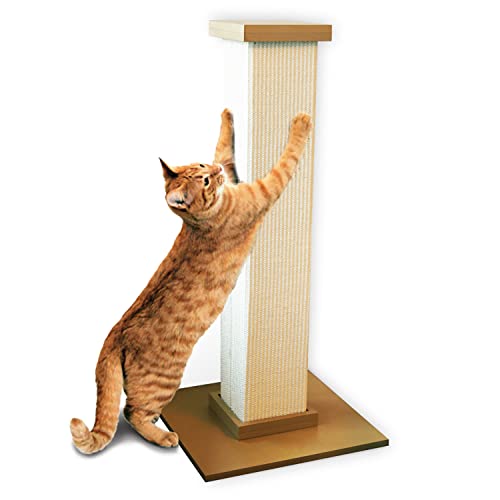
Integrating cat-friendly accessories enhances both aesthetics and functionality. Providing scratching posts or cat trees not only satisfies their instincts but can also serve as stylish decor. Select designs that blend seamlessly with your interior.
Investing in slipcovers helps maintain the appearance of your seating. They can be easily removed and washed, offering a practical solution for kitty-related messes while keeping your living space looking fresh.


Strategically placing furniture can minimize damage. Elevate items such as plants or fragile decor out of reach. Additionally, creating vertical spaces for your feline companions can divert their attention from your prized possessions.
Regular grooming is another essential practice. Keeping your pets well-brushed reduces shedding and bald patches on your upholstery, ensuring a more polished and refined look throughout your home.
Lastly, consider adopting a color palette that embraces pet hair. Shades like gray, beige, or darker tones can help camouflage fur, promoting a cleaner and more appealing aesthetic, even with furry roommates around.
Creating an Inviting Space with Feline Companions
Choose materials that withstand wear and tear. Opt for fabrics like canvas or microfiber; they repel stains better and are easier to clean.
Incorporate protective covers or throws on seating. These can be machine-washable and provide an additional layer against scratches and fur.
Invest in scratching posts and pads near the lounging areas. Encourage your pets to use them by sprinkling catnip or providing toys nearby.
Elevated cat trees can add aesthetic appeal while keeping your pets entertained. Select designs that complement your interior and serve as functional decor.
Strategically place deterrents such as double-sided tape on surfaces where they shouldn’t scratch. This can help discourage unwanted behaviors.
Regularly groom your companions to reduce shedding. A consistent brushing routine minimizes fur accumulation on surfaces, making maintenance easier.
Rotate decorative items to less accessible locations. Secure fragile pieces out of jumping range to prevent accidental damage.
Choose smaller, more durable items for tabletops. These can endure impacts better and still provide a stylish look without being overly fragile.
Use cat-friendly plants to enhance decor while ensuring your pets’ safety. Research which varieties are non-toxic and visually appealing.
Integrate storage solutions to keep toys and supplies organized. A tidy space minimizes clutter and creates a more inviting environment.
Choose Cat-Friendly Materials for Your Furniture
Opt for microfibre or synthetic fabrics, which resist stains and scratches better than natural fibers. These materials are often easier to clean and maintain. For upholstery, avoid linen and silk; their delicate textures are prone to snagging.
Leather offers durability and can withstand playful paws, but choose treated versions that prevent scratches and marks. Faux leather alternatives are also strong and easier to care for.
Wood is sturdy and timeless, but select finishes that resist gouges from enthusiastic claws. Hardwoods, like maple or oak, outperform softer varieties such as pine. Consider surface treatment options that add an extra layer of protection.
Metal frames create a sleek aesthetic and typically withstand wear better than traditional wooden pieces. They’re not just stylish but also resilient against daily antics.
For added comfort, include slipcovers on upholstered pieces. They can be easily removed and washed, keeping your seating fresh. Choose thicker materials for extra protection against scratches.
Lastly, always test samples at home. Certain textures might be appealing in stores but can turn out different in daily use. Prioritize materials that blend both beauty and functionality, ensuring they withstand feline exploration while enhancing the overall look of your space.
Implement Scratching Posts to Protect Your Furniture
Introduce multiple scratching posts throughout your home. Opt for various styles, such as vertical, horizontal, and angled, to cater to diverse feline preferences. A mix encourages exploration and usage, decreasing the likelihood of claw damage on your belongings.
Choosing the Right Material
Select posts made from durable materials like sisal, which withstands persistent scratching. Cardboard options can attract some felines, but they wear out quickly, so having them as a secondary option is beneficial.
Placement Strategies
- Position posts near favorite lounging areas. Cats often scratch upon waking, so placing these near their resting spots enhances engagement.
- Situate a post close to furniture they tend to scratch. This redirection encourages your pet to use the post instead.
- Ensure easy access, avoiding obstructive furniture that could discourage use.
Incorporate catnip on new posts to entice interest, but use sparingly to prevent desensitization. Regularly rotate posts to keep the experience fresh and engaging.
Prioritize quality over quantity; a sturdy scratching post will ultimately save more money by protecting your possessions over time. Regular checks for wear and tear allow you to replace or repair before any damage occurs.
Designate Cat-Free Zones in Your Home
Create specific areas where felines are not allowed to ensure the preservation of interior elements. Consider designating rooms such as the living area or a home office as no-paw zones. Use baby gates or pet barriers to restrict access effectively.
Establish Clear Boundaries
Provide clear visual cues for your furry companion. Employ deterrents like double-sided tape on certain surfaces or motion-activated devices to discourage entry into restricted spaces. Consistency in enforcing these boundaries will aid in creating an understanding of the designated no-go areas.
Utilize Training Techniques
Use positive reinforcement to train your pet not to enter specific zones. Offer treats or praise when they stay out of these areas. This behavioral approach supports long-term adherence to the established rules, making it easier to maintain your decor while allowing your pet to enjoy their surroundings safely.
Use Covers to Prevent Damage
Opt for high-quality covers or slipcovers tailored to your seating pieces. Ensure they are made from durable materials that are easy to clean and maintain. Here are key points to consider:
- Choose covers with good protection against scratches and stains. Look for options specifically labeled as pet-friendly.
- Fitted covers tend to stay in place better than loose ones, reducing the risk of your feline companion displacing them.
- Select colors and patterns that complement your home décor while also helping to hide any potential wear and tear.
- Consider using multiple sets for seasonal changes, allowing for easy swapping and cleaning.
Cleaning and Maintenance Tips
Regularly wash and maintain these protective layers. Follow care instructions carefully:
- Machine-washable covers simplify the cleaning process. Check if they can withstand frequent washing.
- Spot-cleaning helps tackle specific stains without needing to wash the entire cover.
- Rotate covers occasionally to evenly distribute wear and prolong their life span.
Using protective layers not only safeguards your belongings but also allows for a seamless blend of style and function in your living space.
Train Your Cat to Respect Furniture Boundaries
Establish clear rules for your feline companion. Start by designating specific areas where jumping is allowed and where it is off-limits. Use verbal cues consistently, such as “no” or “down,” whenever your pet leaps onto prohibited surfaces.
Reward desired behavior to reinforce training. Use treats or affection when your cat stays in the designated areas. This positive reinforcement creates a clear link between following the rules and receiving rewards.
Incorporate distractions. If your furry friend is tempted to venture onto restricted spots, place attractive alternatives nearby, such as cozy cushions or cat trees that draw attention away from your belongings.
Consider using deterrents. Soft double-sided tape or specialized pet-safe sprays can dissuade your buddy from hopping onto surfaces. Cats dislike the texture of tape and the scent from sprays, which can help in maintaining boundaries.
Be patient and consistent. Training may take time, so regular practice is key. Schedule daily short training sessions to reinforce boundaries, allowing your assistant to understand where it’s acceptable to roam.
| Training Technique | Description |
|---|---|
| Verbal Cues | Use commands like “no” or “down” when boundaries are crossed. |
| Positive Reinforcement | Reward with treats or affection for staying in designated areas. |
| Distraction | Provide enticing alternatives nearby to divert attention. |
| Deterrents | Utilize double-sided tape or pet-safe sprays on restricted surfaces. |
| Consistency | Engage in daily practice to reinforce rules and boundaries. |
Select Durable and Functional Furniture Styles
Opt for pieces made from materials like hardwood, metal, or high-quality composite that resist wear and tear. Upholstery choices should feature tightly woven fabrics such as canvas or denim, which can withstand scratches and are easily cleaned.
Choose Multi-Functional Items
Consider selecting items that serve dual purposes, such as storage ottomans or coffee tables with shelves, to maximize space while minimizing clutter. This approach not only enhances funcionality but also reduces potential hazards or messes caused by your feline companion.
Focus on Simple Lines and Textures
Select designs with straight lines and minimal frills to make cleaning simpler. Textured surfaces may help disguise minor marks while adding aesthetic appeal. Removable covers are advantageous here, allowing for convenient washing without worrying about persistent stains.
Regularly Groom Your Feline to Minimize Shedding
Grooming my pet consistently has significantly reduced the amount of fur around my living space. I use a high-quality brush designed for my cat’s coat type. Daily or at least every other day is ideal during shedding seasons to remove loose hair effectively.
Tools and Techniques
A slicker brush is particularly effective for long-haired breeds, while short-haired cats benefit from rubber grooming gloves. Both tools help to catch loose fur without causing discomfort. Additionally, using a grooming tool with a self-cleaning feature makes the process more convenient.
Health Benefits
Regular grooming not only keeps shedding under control but also allows me to check for skin issues or parasites. This proactive approach to my cat’s care leads to a healthier, happier companion and a cleaner living environment.
Consider Cat-Proofing Your Living Space
Utilizing scratch-resistant surfaces can significantly reduce potential damage. Faux leather and tightly woven fabrics tend to withstand claws better than delicate materials. Look for upholstery treated with stain and scratch-resistant coatings, offering additional protection.
Incorporating protective mats or carpets under essential pieces can help safeguard against wear and tear. Choose durable options that are easy to clean, allowing for quick maintenance after any accidents.
Position throwable items like blankets or throws strategically, as they can serve as barriers against stray claws. This layering technique not only protects the main structure but also adds a cozy touch to the environment.
Investing in corner guards or edge protectors is an effective way to shield your beloved pieces. These accessories act as physical barriers, minimizing the risk of damage from playful paws.
Regularly monitoring your pets’ behavior allows for timely adjustments. If specific areas become frequent targets, reassess the layout to either move valuable items or introduce additional deterrents.


