
 Caleb Turner

For a striking makeover, focus on selecting the right hues that resonate with your vision. Going for acrylic-based mediums offers not only durability but also rich pigment saturation. Prior to starting your artistic expression, ensure that the surfaces are clean and primed, allowing the colors to adhere effectively.
Use a combination of brushes: flat bristles for broad strokes and fine-tipped ones for intricate details. Layering is key–begin with a base coat and let it dry thoroughly before adding floral motifs. Experiment with blending colors on a palette to achieve desired gradients; this adds depth to your composition.
Don’t hesitate to sketch your designs with a pencil beforehand, giving you a guide to follow. Take your time, allowing each layer to dry completely, which will prevent muddy colors and maintain the integrity of your artwork. Lastly, seal your designs with a clear finish for protection and longevity, ensuring your creation stands out beautifully over time.
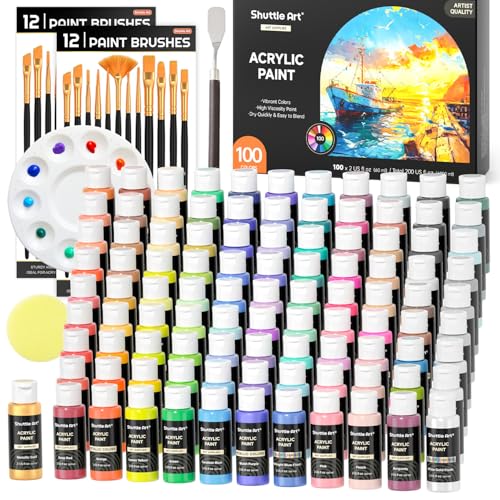

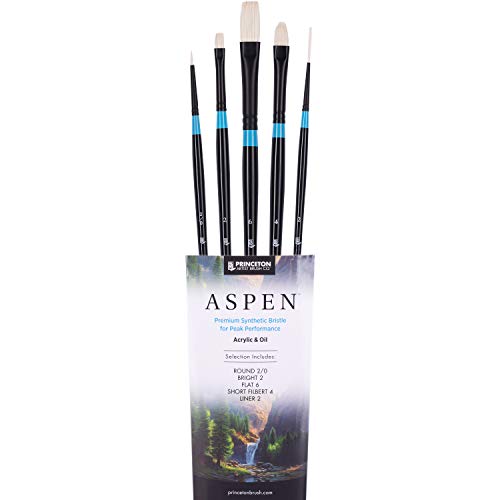
Technique for Painting Botanicals on Surfaces
Begin with a clean, sanded area; this ensures a smooth base for your artwork. Choose high-quality acrylics or enamels for durability. Mixing colors on a palette allows for custom shades, enhancing your design. Use fine-tipped brushes for intricate details, ensuring precise strokes for petals and leaves.
Layering for Depth
Start with a light wash to outline the design. Once dry, build layers gradually. This adds dimension and richness to the composition. Allow each layer to dry thoroughly before proceeding to avoid unwanted blending.
Finishing Touches
Seal your work with a clear varnish once fully dry to protect the surface and colors from wear. This not only preserves your creation but also adds a subtle sheen, enhancing the overall aesthetic. Keep in mind the need for touch-ups over time, maintaining the beauty of your project.
Selecting the Right Type of Furniture for Painting
Choosing appropriate pieces significantly influences the outcome of your decorative efforts. I recommend focusing on wooden surfaces, as they absorb colors well and provide a sturdy base for design. Opt for untreated or lightly sanded wood to ensure better adherence of your medium.
Considerations for Different Materials
While wood is ideal, other materials can also work if prepared correctly. Make sure to check if the surface can accept paint. For instance:
| Material | Preparation Needed | Best Practices |
|---|---|---|
| Wood | Sand lightly | Use a primer for enhanced adhesion |
| Metal | Clean thoroughly, use a primer | Choose paint specifically formulated for metal |
| Plastic | Clean and roughen surface | Select paint designed for plastic |
Style and Functionality
When picking items to customize, consider both their style and function. Vintage pieces often have unique contours that lend themselves beautifully to artistic expression. Conversely, contemporary designs may allow for bold, modern interpretations.
Finally, ensure the items you select are suitable for the intended environment. For example, pieces in high-traffic areas should be durable, enabling easier maintenance after completing artistic work. This attention to detail ensures longevity in both your craft and the furniture itself.
Preparing the Surface for Application
My first step is to clean the piece thoroughly. I use a damp cloth to remove dust, dirt, and grease. If the surface has been previously treated with oils or waxes, I apply a mild degreaser to ensure the finish is completely clean. This creates a suitable base for the new layer.
Next, I assess the existing finish. If it’s glossy, I sand it lightly with fine-grit sandpaper to introduce some texture. This allows the new coating to adhere better. After sanding, I clean the dust off the surface with a vacuum and a cloth.
Repairing Imperfections
Any scratches or dents can distract from the final design, so I fill them with wood filler. I let the filler dry completely and then sand it smooth. If there are larger flaws, I may consider using a wood epoxy.
Priming the Surface
Using a primer is a key process I follow, especially with surfaces that may have been lacquered. I apply a coat of primer suited for porous materials. This not only enhances adhesion but also helps in achieving a more vibrant finish in the subsequent steps.
Once the primer is dry, I lightly sand again to smooth out any raised fibers. After that, I wipe everything down with a cloth to ensure no residue is left before moving on to the artistic part of the project.
Choosing the Best Paint for Hand Painting Flowers
I recommend using acrylic or water-based enamel for this task. These paints offer excellent adhesion and are suitable for various surfaces, making them ideal for intricate designs. Acrylics dry quickly, allowing for layering without long waits, and their color options are vast, ranging from pastels to vibrant hues.
Considerations for Acrylics
Acrylic paints are known for their durability and resistance to fading, especially when protected with a top coat. Their water-soluble nature makes cleanup easy. Look for brands that are specifically labeled as suitable for indoor projects to ensure low toxicity and minimal odor.
Exploring Water-Based Enamels
Water-based enamels provide a glossy, hard finish once cured and are more resistant to scratches compared with acrylics. These are particularly beneficial if the item will experience regular use. Choose a product designed for multi-surface applications to ensure compatibility with the varied materials often found in decorative items.
Tools You Need for Hand Painting Flowers
To successfully create botanical designs, I rely on a specific set of tools that enhance my ability to work precisely and creatively. Here’s what I consider indispensable:
- <strong Brushes: A variety of brushes is crucial. I use a small detail brush for fine lines and intricate details, a flat brush for broader strokes, and a round brush for creating petals.
- <strong Palette: A good mixing palette allows me to blend colors effectively. I prefer a clean, flat surface for better control over my color choices.
- <strong Acrylic Paints: High-quality acrylics provide the depth of color and durability I desire. I choose a range of shades to allow for versatility in shading and layering.
- <strong Water Container: Keeping my brushes clean is vital. I use a container filled with water to rinse my brushes between color applications.
- <strong Rags or Paper Towels: I always have rags nearby for quick clean-ups and to dab excess paint from brushes to maintain control.
- <strong Sealant: After completing my designs, I apply a clear acrylic sealer to protect the artwork and enhance its longevity.
- <strong Graphite Pencils: I sketch my designs lightly with a pencil to guide my painting process without committing right away.
- <strong Masking Tape: Useful for creating clean lines and borders, especially when I want precise edges on my botanical art.
Each tool has its role and contributes to the overall quality of the final piece. I’ve found that investing in good materials pays off in the outcome of my projects.
Sketching Your Flower Design on Surfaces
Before bringing any vision to life, I outline the floral arrangement on the chosen piece. For this, I prefer a pencil with a fine tip, allowing for precision. I begin by lightly sketching the main elements, ensuring that shapes and sizes balance well across the area. It’s essential to maintain a harmonious composition; I often step back to assess the overall look during this stage.
Using reference images can enhance creativity. I keep a few floral designs handy to inspire my form and structure. Applying these references helps me visualize how various species interact within the space. I recommend starting with larger blossoms, then layering smaller blooms and foliage for more depth.
I find it useful to create guidelines on the surface, marking areas for large petals or clusters of leaves. Using a ruler or measuring tape can assist in maintaining proportion. If the surface is intricate or detailed, I choose to sketch in sections–focusing on one part at a time to generate a cohesive design.
Once satisfied with the sketch, I use an eraser to refine any lines that seem too bold. The goal is to establish a clear yet subtle base for the application process. This careful approach prepares me for successful transitioning from pencil to pigment.
Concluding this phase, I make sure all details are finalized before moving on. Having a well-thought-out blueprint is essential as it guides the subsequent color application, allowing more freedom in creativity while preventing mistakes. Touching up any sketch imperfections just before painting ensures a clean design assertion.
Applying Base Coats Before Detailing
Begin with a solid foundation by applying a base coat in a color that complements your floral design. This step not only enhances the vibrancy of the subsequent layers but also ensures better adhesion and reduces the risk of color bleeding. Choose a quality primer suited for your surface type to promote longevity.
Choosing the Right Technique
Use a paintbrush or roller for even application of the base coat. For intricate areas, opt for a smaller brush to avoid over-saturation. Allow the base layer to fully dry before adding any details; this can take several hours depending on the paint type and environmental conditions. A light sanding between coats can help achieve a smoother finish, especially if you’re working with thicker paint.
Layering Colors
If your design requires multiple hues, consider applying different base coats for each color. This method allows for greater depth when layering floral motifs. Start with lighter shades first, layering darker shades on top. This technique provides a seamless transition between colors, making the final artwork more cohesive and visually appealing.
Techniques for Painting Realistic Flowers
Focus on layering colors to create depth and dimension. Begin with a lighter base, allowing it to dry, then gradually add darker shades for shadows and highlights. This technique mimics the natural gradients found in petals.
Blending for Realism
Use a damp brush to blend colors seamlessly, softening edges between different hues. A circular motion works effectively for fading transitions, while a stippling technique can add texture similar to the delicate structures within a bloom.
Incorporating Details
After establishing the base and shadows, use a fine brush to add intricate details such as veins and speckles. These small elements are crucial for achieving authenticity. Observe real specimens for accuracy in shape and coloration.
Protecting Your Artwork with Finishing Coats
Choosing the right finish can significantly impact the longevity and appearance of your decorative designs. I prefer to use a clear acrylic sealer or polyurethane for optimal protection against normal wear and tear.
Here’s my process:
- Ensure your design has dried completely, typically 24 hours after the final layer.
- Select an appropriate finishing product based on the surface and intended use. For lighter traffic areas, a water-based acrylic sealer works well. For high-traffic surfaces, I choose a durable oil-based polyurethane.
- Apply the finish using a clean, high-quality brush or a foam applicator. A brush helps to avoid bubbles, while foam can provide a smoother application.
During application, I recommend the following tips:
- Work in thin layers, allowing proper drying time between each coat–typically 2-4 hours, depending on the product.
- Lightly sand between layers with fine-grit sandpaper to promote adhesion and enhance smoothness.
- Avoid applying excessive finish, as it can lead to a cloudy appearance or peeling.
After finishing, I wait a week before use to allow the finish to cure properly. This step ensures the design remains intact and vibrant for years to come.
Caring for Hand-Painted Furniture
To maintain the beauty of handcrafted designs, regular dusting with a soft, lint-free cloth is essential. Avoid using abrasive materials that could scratch the surface. For deeper cleaning, a damp cloth with a mild soap solution works well–just ensure you don’t soak the wood.
Sunlight can fade intricate designs over time. To prevent this, place your items away from direct sun exposure or use sheer curtains to filter light. Regular rotation of items, if possible, also helps in achieving even fading, if desired.
Consider applying a clear protective finish every few years. This not only prolongs the life of the top layer but enhances the colors beneath. When selecting a sealant, ensure it is compatible with the original medium to avoid any chemical reactions.
Handle the pieces with care. Avoid placing heavy items on top of decorated surfaces and be cautious with hot or wet objects. Using coasters and placemats protects the artwork from damage caused by everyday use.
If scratches or chips occur, act promptly. A fine brush and matching touch-up paint can rectify minor imperfections. For larger areas, consider seeking professional help to ensure a consistent appearance.
By following these simple steps, I keep my unique pieces looking fresh and vibrant, allowing them to remain a cherished aspect of my living space.


