
 Caleb Turner

To create an authentic worn appearance on your revamped pieces, begin with a base coat of chalk or matte finish paint. Allow it to dry completely to ensure a solid foundation for further techniques.
Next, employ sandpaper or a sanding block to gently distress edges and areas that naturally experience wear. Focus on corners, table edges, and any raised areas, as these are where aging typically occurs. Adjust the pressure to control the level of abrasion, revealing the underlying wood or previous layers of paint for a more organic effect.
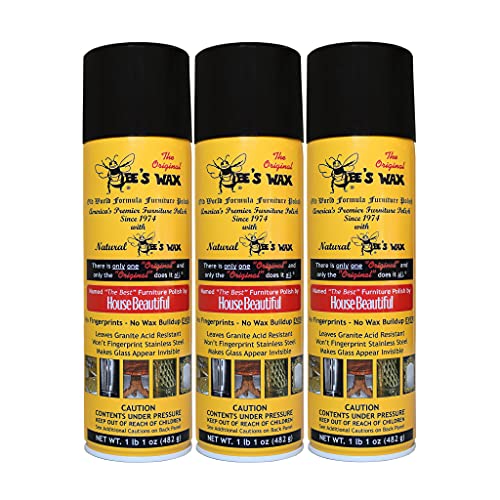
To enhance the antiquity, consider applying a glaze or a dark wax over the painted surface once the distressing is complete. This step not only adds depth but also highlights the textured areas you’ve created, lending a charming and rustic essence to the overall appearance of your item.
Creating a Worn Appearance on Furniture Surfaces
Begin with a base coat of your chosen color. Allow this layer to dry completely before proceeding to the next step.
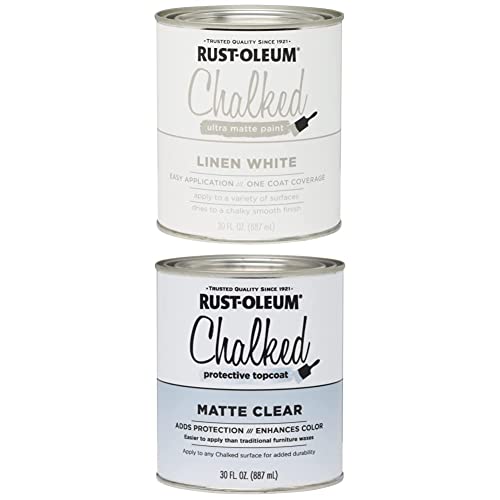


Once dry, apply a contrasting top coat. A lighter hue over a darker one works well. Use a brush or roller for application, focusing on thin layers. This prevents an even finish, which is desirable.
Distressing Techniques
After the top coat dries, select one or more of the following methods to achieve a timeworn effect:
- Sanding: Use sandpaper or a sanding block on edges, corners, and raised surfaces to expose the base coat beneath.
- Wax Resist: Apply a layer of clear wax to areas you want to preserve. When you paint over it, the top layer can be removed easily, revealing the original color in patches.
- Scraping: Utilize a putty knife to gently scrape areas to create a more rugged finish.
Finishing Touches
To enhance the aged appearance, consider adding a protective layer. Use a matte or satin finish sealant to protect your piece while keeping the look authentic.
| Technique | Description |
|---|---|
| Sanding | Rub sandpaper on select areas to reveal the base coat. |
| Wax Resist | Apply wax to preserve certain spots before painting over. |
| Scraping | Gently scrape with a putty knife for a rougher feel. |
This hands-on approach allows for individual creativity. Each piece becomes a unique creation with its distinct character. Experiment with combinations of techniques to achieve the desired results.
Selecting the Right Paint for Distressing
Selecting a suitable coating is critical for achieving the desired aged effect. I prefer using water-based acrylics for their versatility and ease of use. They dry quickly and can be layered effectively, allowing me to create depth in the finish.
Choosing the Base Color
The base hue should resemble the natural wood tones found in vintage pieces. Light colors such as soft whites, creams, or pale grays work well. These shades provide a nice contrast when revealing the underlying layers during the aging process. I often opt for a combination of light and slightly darker tones to enhance the dimensional quality.
Topcoat Options
For the finishing touch, I suggest using a matte or satin topcoat. Glossy finishes can detract from the rustic charm I want to achieve. A matte clear coat not only protects the surface but also allows the texture and layers beneath to shine through.
- Water-based acrylic for ease of application
- Soft white, cream, or gray as a base for a classic vintage appearance
- Matte or satin topcoat for a natural finish
Experimenting with different combinations can lead to unique results, so I recommend testing your choices on a small area before fully committing. This way, I can ensure that the blend achieves the character I envision.
Preparing Furniture for the Distressing Process
Begin with a thorough cleaning of the surface to remove dust, grease, and grime. Use a mild solution of soap and water to wipe down the entire piece, followed by a clean, damp cloth to eliminate any soap residue. Ensure the item is completely dry before proceeding.
Inspect the surface for imperfections such as scratches or dents. If necessary, fill these areas with wood filler. Once the filler dries, sand the repaired spots until they are smooth and level with the surrounding area. This step ensures an even texture across the piece.
If the item has a glossy finish, lightly sand the entire surface with fine-grit sandpaper. This will create a rough texture that allows new layers to adhere better. After sanding, wipe the dust off using a tack cloth or a damp rag.
Consider removing hardware like knobs or handles. This will prevent them from becoming damaged during the process. Label the hardware and store it safely for reattachment later.
Apply a primer if the existing finish is dark or if you want to ensure the new coating achieves the desired hue. A primer provides a good base for the new color and can also assist in achieving a more authentic vintage aesthetic.
Keep in mind that the more detailed the surface preparation, the more convincing the end result will be. Details matter in creating the character and appeal of the finished piece.
Techniques for Painting the Base Coat
Choose a color palette that aligns with the vintage aesthetic desired. A base coat in muted tones, such as soft gray or creamy white, enhances the aging effect. Apply your selected hue evenly with a high-quality brush or roller, ensuring a smooth finish.
For optimal adhesion, lightly sand the surface before application. This creates a texture that allows the coating to grip effectively. Use 220-grit sandpaper for a delicate touch, sweeping along the grain.
Layering for Depth
Consider using a two-coat method. First, apply a thin layer of the main color. Let it dry completely before applying a second coat that offers a near-identical or slightly different hue. This layering technique adds complexity and depth to the finish.
Controlled Brushwork
Experiment with varying brush strokes to cultivate a natural, aged effect. A dry brushing technique, where minimal paint is on the brush, allows for subtle highlighting of details. Dip the brush lightly and wipe off excess before applying to achieve an authentic antique feel.
Choosing the Right Tools for Distressing
Selecting the appropriate instruments is fundamental for achieving a weathered appearance. A high-quality synthetic or natural bristle brush works well for applying the base layer. For achieving texture, consider a sponge or a cloth for dabbing and layering. Adhesive sandpaper in various grits is essential for smoothing surfaces to reveal the original finish beneath layers of color.
Investing in a fine steel wool pad is beneficial for softly rubbing areas, creating subtle wear without overpowering. A putty knife can be effective for chipping away paint in specific spots, enhancing authenticity. For those wanting more control, opt for a spray bottle filled with water to dampen surfaces before distressing; this helps in manipulating the finish more easily.
Use a toothbrush or a small art brush for intricate detailing, especially in corners and edges. Stencils can introduce interesting patterns to the texture, allowing for custom designs. Finally, binders or waxes are needed for sealing and protecting the final product, preventing wear from escalating after the process is complete. Each tool contributes to a distinctive character, so evaluate according to the desired outcome.
Methods for Creating Distressed Effects
One of the most impactful techniques involves sanding various areas to expose underlying layers. Focus on edges and corners, as these are naturally worn over time. Use a medium-grit sandpaper initially for this process, followed by a finer grit to achieve a smoother finish.
Using Glaze for Depth
Applying a glaze can add depth and character. Mix paint with a glazing medium for a translucent effect. Use a brush to apply it over the base coat, then wipe away excess with a cloth, allowing it to settle into crevices for an aged appearance.
Layering Colors
Layering different hues can enhance authenticity. Start with a lighter base and progressively add darker shades. Each additional layer should be applied sparingly. Use a dry brush technique to prevent overwhelming the base color while creating a nuanced texture.
Incorporating a wax finish can further enhance the aged effect. After traditional staining and painting, apply clear wax to seal the surface and soften the appearance. This step magnifies the depth, making the piece look weathered and timeworn.
Experimenting with stencils can introduce unique patterns and details. Choose classic motifs; apply paint through the stencil and layer different colors for added interest. This will create an impression that can mimic intricate designs found in antique pieces.
Lastly, consider the use of natural materials to augment the process. Rubbing with steel wool can create a more authentic wear and tear effect. Alternatively, add a touch of pigment to your waxing process; this will provide a realistic patina, giving your creation an authentic, seasoned charm.
Applying Finishing Touches with Wax or Varnish
To achieve a polished yet aged appearance, I often apply either wax or varnish as my final step. Using furniture wax gives a soft sheen while accentuating the rich textures of the surface. I recommend choosing a clear or lightly tinted wax that complements the underlying layers without overwhelming them.
Before application, ensure the paint is completely dry. I prefer a soft cloth or a dedicated wax brush to apply a thin layer, working it into the nooks and crannies to highlight imperfections and character. After a brief drying period, I buff the surface with a clean cloth to achieve a desired softness and luster.
If a more durable finish is required, opting for a satin or matte varnish is beneficial. I select a water-based option for easy cleanup and low odor. The application process is similar: I use a high-quality synthetic brush to lay down an even coat, breathing life into the texture while protecting the surface. Multiple thin layers yield a better finish than a single heavy coat.
Both methods allow for flexibility. Depending on the desired outcome, I can create a more polished or intentionally worn appearance. Regular maintenance applies here; I periodically reapply wax to maintain the warmth and depth of the finish, ensuring longevity.
Repairing Mistakes During the Distressing Process
To correct errors encountered during the aging process, start by identifying the specific issue. Common problems include over-sanding, uneven color application, or excessive wear in undesired areas.
For over-sanding, apply a base coat to the affected area to blend imperfections. Use a brush or sponge for smooth, even coverage. Allow it to dry thoroughly before proceeding.
Address color irregularities by using additional layers or a wash to soften harsh contrasts. Mix a small amount of your base shade with water or glaze to create a semi-transparent layer, then lightly brush over the uneven patches.
If distressing went too far, fill in the overly damaged areas with wood filler or matching putty. Allow it to set and finish with a touch-up coat of the original color.
- Maintain a test surface: Before applying any corrections, practice on a small, inconspicuous area.
- Use precision tools: Fine brushes and sponges allow for greater control over corrections.
- Blend well: Feather the edges of your touch-up areas into surrounding surfaces for a seamless finish.
For those stubborn spots that remain visible, consider a light final sanding to create a uniform surface. A gentle rub with a fine-grit sandpaper can help to smooth the transition and minimize noticeable patches.
Lastly, seal the surface with a clear finish once repairs are satisfactory. This will protect your work and enhance the depth of color, providing a cohesive appearance.
Maintaining the Distressed Effect Over Time
To preserve the weathered charm of your refinished surface, regular cleaning with a damp cloth helps prevent dirt buildup.
Avoid abrasive cleaners that can strip the finish. Instead, use a gentle soap solution, rinsing thoroughly and drying with a soft towel.
Applying a suitable wax or sealant periodically protects against scratches. A thin layer of clear wax can rejuvenate the surface and enhance its character.
Limit direct sunlight exposure to avoid fading. A strategic placement or the use of window treatments can mitigate this issue.
For any signs of wear, light sanding with fine-grit paper can blend imperfections. Follow with a touch-up of the original color, then reapply wax for uniformity.
Utilizing coasters and placemats safeguards against water stains and heat damage. This simple practice extends the lifespan of the appearance.
Rotate the use of accent pieces to ensure even wear and prevent overexposure to use patterns. This technique keeps the aesthetic balanced and appealing.
| Maintenance Task | Frequency | Notes |
|---|---|---|
| Cleaning | Weekly | Use damp cloth with mild soap. |
| Wax Application | Every 3-6 months | Reapply clear wax to protect surface. |
| Inspect for Damage | Monthly | Check for scratches and wear. |
| Touch-up as Needed | As Required | Blending repairs maintains character. |
FAQ:
What materials do I need to achieve a distressed look on painted furniture?
To create a distressed look, you will need a few key materials: chalk paint or acrylic paint, sandpaper (medium and fine grit), a paintbrush or sponge, a topcoat or wax for protection, and optionally, a damp cloth for wiping off excess paint. Having these materials ready will make the process smoother and more enjoyable.
Can I distress furniture that has already been painted?
Yes, you can distress already painted furniture. Start by lightly sanding the surface with fine-grit sandpaper to prepare it for a new layer of paint if needed. Then, you can apply a new layer of paint or a glaze in a contrasting color. Once that is dry, use sandpaper to lightly sand areas where natural wear would occur, creating a distressed effect. This adds character and depth to the piece.
How do I decide which areas to distress on my furniture?
When deciding which areas to distress, think about the natural wear and tear that furniture typically experiences. Focus on corners, edges, and areas around handles or knobs where contact occurs. Lightly sand these areas to create a worn look. Trust your instincts and consider what will enhance the overall aesthetic of the piece.
Is there a specific technique for applying the paint before distressing?
Yes, applying paint properly is crucial for achieving a good distressed look. Start by applying a base coat of chalk paint or acrylic paint using a brush or sponge, making sure to cover the entire surface evenly. After the first coat dries, you can add additional layers for depth. Once these layers are dry, you can begin to sand to create your distressed finish. This technique allows the underlying layers to show through, enhancing the look of age and wear.
What should I do after I’ve finished distressing my furniture?
After distressing your furniture, it is important to seal the piece to protect it from damage. You can use a clear topcoat or a wax finish for this purpose. Apply the sealant carefully with a clean brush or cloth, ensuring full coverage. Let it dry according to the manufacturer’s instructions. This final step will help maintain the beauty of your distressed look and ensure that your furniture lasts longer.


