
 Caleb Turner
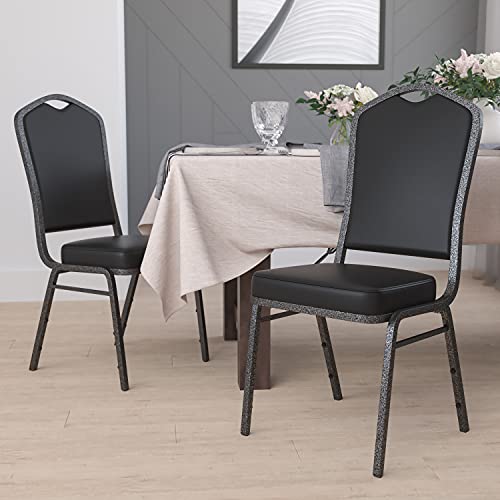
To successfully lease out your pieces, first, assess their condition and appearance. Ensure everything is clean, well-maintained, and free from damage. This creates a positive first impression, which is essential for attracting potential clients.
Next, conduct thorough market research to determine competitive pricing. Investigate similar items in your area to set a rate that reflects the quality of your offerings while remaining attractive to customers. Transparency about costs can enhance trust and encourage engagements.


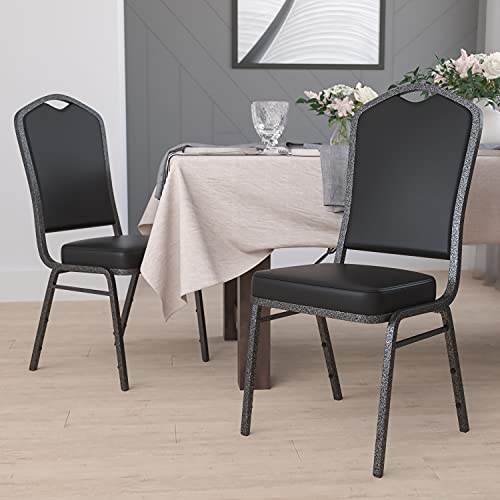
Utilize online platforms dedicated to sharing and renting household items. Creating clear, detailed listings with high-quality images is crucial for visibility. Don’t forget to highlight unique features that make your products stand out, as this can significantly boost interest.
Establish clear terms and conditions that outline rental periods, security deposits, and maintenance responsibilities. This approach protects both parties and fosters a smooth transaction experience. Good communication is paramount to addressing inquiries and ensuring a satisfactory arrangement.
Steps for Renting Out Your Furnishings
Establish a clear pricing structure based on local market rates and the condition of your items. Competitiveness is key; utilize platforms or apps that showcase similar offerings for reference.
Prepare a detailed catalog of what’s available. Include high-quality images and comprehensive descriptions highlighting dimensions, materials, and any wear and tear. Transparency is appealing to potential renters.
Set clear terms regarding duration, deposit, and maintenance responsibilities. A written contract protects both parties and ensures understanding of all stipulations.
Utilize social media channels and local community boards for promotion. Sharing posts with engaging visuals can attract interest and inquiries. Consider offering introductory discounts for first-time renters to stimulate interest.
Establish a seamless communication channel for inquiries and responses. Prompt replies enhance your reputation and can convert inquiries into transactions.
Assess the need for insurance to cover damage or loss during the leasing period. This mitigates risks associated with lending personal items to strangers.
Gather reviews and testimonials from past clientele, as positive experiences can significantly boost credibility in the eyes of potential renters.
Regularly update your inventory and pricing strategies based on demand fluctuations, ensuring you remain competitive and appealing to your target market.
Selecting the Right Items for Leasing
Select sleek and practical designs that appeal to a broad audience. Focus on contemporary styles that suit various tastes while avoiding overly niche themes or excessively ornate designs. Here’s a breakdown of furniture categories and key features to consider:
| Category | Key Features | Recommended Materials |
|---|---|---|
| Sofas | Comfortable seating, removable covers, easy to clean | Leather, polyester, or microfiber |
| Tables | Versatility, space efficiency, durability | Wood, tempered glass, metal |
| Chairs | Supportive, stackable or foldable, aesthetic appeal | Wood, plastic, upholstered |
| Beds | Sturdy construction, size variety, attractive designs | Wood, metal, upholstered |
| Storage Solutions | Functional, compact, stylish | Wood, metal, wicker |
Consider the target demographic’s lifestyle; young professionals may prefer minimalist items while families might lean towards durable and spacious options. Popular features include modular designs for adaptability and items that maximize small spaces. Pay attention to trends and adapt offerings accordingly, ensuring that pieces not only fit practical needs but also enhance the aesthetic of any room.
Evaluate the cost and quality balance to maintain profitability while providing value to customers. Evaluate the longevity and maintenance requirements of materials chosen, as customers will appreciate low upkeep that still looks appealing.
Pricing Strategies for Your Rental Furniture
I recommend a tiered pricing model. Set different rates based on the quality and style of the items. For instance, premium pieces can command a higher price while basic options remain affordable.
Conduct market research to determine competitive pricing. Check what similar businesses charge for comparable items. Adjust your rates to position yourself favorably in the market.
Consider offering package deals. Bundling items together for a discount can attract customers looking for multiple pieces, thus increasing overall sales.
Incorporate seasonal pricing adjustments. During peak times, like summer or the holiday season, slightly raise rates. Conversely, offer discounts during slower periods to maintain steady cash flow.
Implement loyalty programs. Reward repeat customers with lower rates or exclusive offers, encouraging ongoing relationships and referrals.
Evaluate rental periods. Shorter rentals may carry higher daily rates, while longer commitments can include discounts to incentivize long-term use.
Ensure transparency in all pricing. Clearly outline what is included–delivery, assembly, and maintenance–so customers understand the value they’re receiving. This can foster trust and encourage bookings.
Creating an Attractive Online Listing
Use high-quality images to showcase each piece. Ensure your photos are well-lit and taken from different angles, highlighting any unique features and details. Include measurements in the descriptions for essential context.
Write clear and concise descriptions. Mention materials, condition, and any distinguishing characteristics. Use engaging language that conveys the potential of each item, appealing directly to your target audience’s needs.
Utilize relevant keywords in your titles and descriptions. This practice increases visibility in search results, making it easier for potential customers to find what they’re looking for.
Highlight the benefits of choosing your items. Address how they can enhance a space’s aesthetics or functionality, particularly for temporary living situations.
Update your listings frequently. Regular adjustments to pricing or availability can drive interest and suggest that you are an active participant in the market.
Encourage customer reviews as social proof. Displaying positive feedback can significantly influence prospective clients’ decisions.
Utilize local SEO techniques to attract nearby clientele. Mention your city or neighborhood in descriptions to improve searchability for local customers.
Lastly, create a sense of urgency by showcasing limited offers or highlighting items that are “one of a kind”. This can prompt quicker decisions from interested parties.
Managing Rental Agreements and Contracts
I prioritize clarity and transparency in rental agreements. Each contract must clearly define the rental period, payment terms, security deposits, and responsibilities of both parties. I always include a detailed description of the items being loaned, including their condition and any maintenance requirements.
Using a standard template simplifies the process. I make sure to customize it for each client while adhering to relevant local laws. I also outline the consequences for late payments or damages to the items. Including a clause for termination rights can protect my interests, allowing early termination under specific conditions.
To prevent disputes, I conduct a thorough walkthrough with the client before finalizing the agreement. Documenting the condition of the items with photos ensures transparency. I advise keeping a record of all communication regarding the lease. Utilizing digital signature tools expedites the process while maintaining the integrity of the agreement.
I also recommend regularly reviewing contracts to adapt to changing market conditions or client needs. Maintaining communication with clients fosters ongoing relationships and eases any potential concerns. Following these practices strengthens professionalism and enhances overall client satisfaction.
Delivering and Setting Up Rental Furniture
Ensure prompt shipping of your items to enhance customer satisfaction. Consider using a reliable transportation service that specializes in moving heavy items, ensuring that your products arrive without damage. It’s recommended to track deliveries so both you and your client remain informed about the status.
Create a checklist for setting up the items. Verify that all pieces are included and in good condition before arrival. When assembling the rental pieces, pay attention to safety and stability, particularly for larger items such as tables and cabinets. Use appropriate tools for assembly if necessary, and provide installation instructions for the client.
Communicate clearly with your clients about the setup process. Offer to assist with the arrangement of items in the space, helping them visualize how they fit. This can increase satisfaction and the likelihood of future business. Collect feedback on the delivery and assembly experience to refine your service.
Document the condition of the furniture after setup with photos, serving as a reference for both parties. This helps protect against disputes regarding damage that may occur during rental. Be proactive in addressing any issues that arise during delivery or setup to maintain a positive relationship with your clients.
Handling Maintenance and Customer Support
Prioritize clear communication with clients. Establish a straightforward process for reporting issues, which can include a dedicated email address or a support hotline. Make sure customers know how to reach out for assistance.
Proactive Maintenance
- Conduct regular inspections of the items you lease. Schedule check-ups every few months to identify wear and tear before it becomes an issue.
- Implement a maintenance log for each piece, noting repairs and the date of last service. This is invaluable for both accountability and future reference.
- Collaborate with local repair services to address any damages promptly. Building relationships with reliable professionals ensures quicker turnaround times.
Effective Customer Support Strategies
- Provide a detailed FAQ section on your website to address common inquiries, reducing the number of direct support requests.
- Offer multiple channels for customer support, including live chat, email, and phone, allowing clients to choose their preferred method of communication.
- Consider implementing a feedback system to gauge customer satisfaction and identify areas requiring improvement. Regularly review and act on feedback to enhance service delivery.
Stay accessible and responsive; timely responses to customers’ requests significantly improve their experience and build loyalty. Follow up with clients post-service to ensure their satisfaction and gather insights for continuous improvement.


