
 Caleb Turner

Using a mixture of equal parts vinegar and olive oil can effectively address those unpleasant remnants on your prized items. Apply the solution to a soft cloth and gently buff the affected area in circular motions. This method not only eliminates unwanted traces but also nourishes the grain of the timber.
If the problem persists, a homemade paste of baking soda and water can work wonders. Mix two parts soda with one part water to create a semi-thick consistency. Massage the paste onto the surface with a soft cloth, then wipe clean with a damp cloth. This gentle abrasive action lifts stubborn residues without scratching the finish.
For tougher challenges, consider using a dedicated furniture polish that includes wax. This approach not only clears away remaining blemishes but also adds a protective layer, enhancing the overall look of your beloved pieces. Always follow the manufacturer’s instructions for the best results.
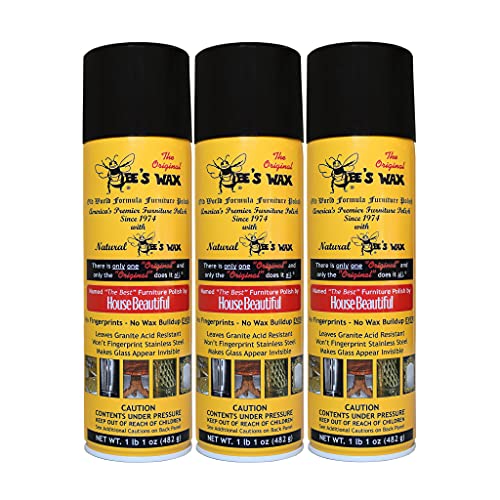


Regular maintenance can prevent buildup in the first place. A simple weekly dusting will keep residues at bay, preserving the luster and beauty of your wooden treasures. The right care keeps your items looking new and extends their lifespan.
Removing Light Residues from Wooden Surfaces
I recommend using a mixture of equal parts white vinegar and olive oil to treat those unsightly residues. Dampen a soft cloth with the solution, wringing it out to avoid excess liquid, and gently rub the affected area in circular motions. This approach not only eliminates stains but also nourishes the finish of the surface.
Alternative Approach with Baking Soda
As another option, create a paste using baking soda and a few drops of water. Applying this paste to the stained area with a soft cloth can effectively lift stubborn residues. It’s important to gently rub the paste and wipe it off immediately with a clean, damp cloth to prevent any potential scratching or dullness on the finish.
Identifying the Type of Scuff Marks
First, examine the affected area closely. Recognizing the specific nature of the stains is key. If the blemish appears light and chalky, it may be residue from cleaning products or natural oils. Darker, more persistent streaks could indicate deeper scratches or scuffs from hard objects.
It’s beneficial to differentiate between several types of imperfections:
| Type | Characteristics | Identification Tips |
|---|---|---|
| Surface Residue | Light, chalky appearance | Wipe with a damp cloth; if it lifts, it’s likely just residue. |
| Scratches | Visible lines or grooves | Run your fingers over the area; if you feel depth, it’s a scratch. |
| Scuffing from Objects | Dark, often streaky marks | Assess the color; use a white cloth with a light cleaner to see if it lightens. |
By determining the type, you can better choose suitable cleaning methods or restorative techniques for the surface.
Gathering Necessary Cleaning Supplies
Begin with a microfiber cloth for gentle wiping without causing scratches. Choose a clean and soft one to avoid further damage.
Include a gentle wood cleaner, specifically formulated for surfaces, to effectively break down residues. Ensure it’s pH balanced to maintain the finish.
A solution of equal parts vinegar and olive oil can serve as a natural alternative; however, test it on an inconspicuous area first to prevent unforeseen reactions.
A soft bristle brush or sponge may assist in dislodging more stubborn residues without harming the finish. Be cautious with pressure.
Consider using baking soda as a mild abrasive. Mix it with water to form a paste for spot treatment, applying with care.
Finally, keep a small bowl of water handy for rinsing the cloth and another for rinsing any tools used in the cleaning process. Prepare everything within reach to enable efficient cleaning. Experimentation may yield the best results based on your specific situation.
Testing Cleaning Solutions on Hidden Areas
I always begin by selecting a discreet section of the surface, like the underside of a drawer or the back of a leg, to apply any cleaning solution. This ensures that I’m not risking visible damage on the main surfaces.
Using a soft cloth, I apply a small amount of the chosen cleaner and lightly rub it into the area. Observing for any discoloration, peeling, or adverse reactions is crucial. I generally wait for a few minutes to evaluate if the cleaner alters the finish or color of the wood.
If everything looks good after the initial test, I proceed with confidence. If there are issues, I switch to a milder solution or even opt for natural alternatives like a mixture of vinegar and water. This testing method helps me avoid potential regrets on more visible areas.
Always ensure that whatever cleaning agent I’m using is suitable for the specific finish of the wood. After testing, I remember to clean the hidden area with a damp cloth to remove any residue from the cleaner. This step preserves the integrity of the surface and ensures a uniform appearance.
Using Baking Soda Paste for Scuff Removal
I mix a small amount of baking soda with water to create a thick paste for tackling those stubborn stains. The ideal ratio is three parts baking soda to one part water. Once combined, I apply the paste directly onto the affected area using a soft cloth or sponge, ensuring that I cover the blemish completely.
Let It Sit
After application, I allow the paste to sit for about 10 minutes. This waiting period gives the baking soda time to interact with the residue, breaking down the particles effectively. It’s crucial not to let it dry completely, as that can make it harder to remove.
Wipe and Rinse
Once the time has passed, I gently wipe the area with a damp cloth, using circular motions to lift away any remaining particles. I follow up by rinsing the cloth with clean water and going over the spot again to ensure all baking soda is removed. Finally, I dry the area with a soft, dry cloth to restore the shine.
Applying Vinegar and Olive Oil Mixture
Combine equal parts of vinegar and olive oil in a clean spray bottle. This mixture effectively addresses stubborn blemishes on surfaces. Before applying it widely, test the blend in a discreet area to ensure compatibility with the finish.
Application Process
Spray the solution onto a microfiber cloth instead of directly on the surface. Gently rub the affected area in a circular motion, allowing the mixture to penetrate the blemish. Wipe away any excess solution with a separate clean cloth to prevent residue buildup.
Post-application Care
After treatment, let the area dry naturally. If necessary, repeat the process until the blemish is removed to your satisfaction. Finish by buffing the surface with a dry cloth for added shine and protection.
Using Commercial Wood Polish Products
Selecting a commercial polish specifically designed for wood surfaces can yield significant results in removing stubborn blemishes. These products often contain waxes and oils that enhance the finish while addressing unsightly blemishes.
Recommended Products
- Howard Feed-N-Wax: This product combines beeswax and orange oil, nourishing the surface while rejuvenating its appearance.
- Pledge Restoring Oil: Known for its quick absorption, this option provides moisture and protection, making it easier to tackle soil and residue.
- Minwax Furniture Polish: Formulated to clean and polish without leaving a greasy residue, it helps to restore the natural luster.
Application Tips
- Shake the product well to ensure even distribution of ingredients.
- Apply a small amount to a clean, soft cloth. Avoid using paper towels as they can scratch the surface.
- Gently rub the polish in circular motions over the affected area, applying light pressure.
- Allow the product to sit for a few minutes for optimal absorption before buffing with a dry cloth.
Testing the chosen polish on a less visible section beforehand ensures compatibility with the finish. Regular use of these products can help maintain the aesthetic of surfaces while preventing future blemishes.
Preventing Future Scuff Marks on Furnishings
I recommend placing felt pads under the legs of chairs and tables to reduce friction when moving them. These protective pads act as a barrier against scratches and damage. Regularly check and replace worn-out pads to maintain their protective abilities.
Another approach is to rearrange furniture occasionally to minimize contact with high-traffic areas. Keeping pathways clear of obstacles helps avoid accidental bumps that could lead to blemishes. Additionally, consider using coasters and placemats to safeguard surfaces from everyday wear and tear.
Incorporating Gentle Cleaning Techniques
Employing soft microfiber cloths for cleaning helps prevent scratches that could occur with harsher materials. I also advise avoiding abrasive cleaning agents, which might compromise the finish of the surface and make it more susceptible to future damage.
Environmental Adjustments
Maintaining a stable environment, such as avoiding direct sunlight exposure and high humidity, also plays a significant role. Sunlight can fade finishes, while excessive moisture may warp wood. Using curtains and dehumidifiers can prolong the life of the furnishings significantly.
When to Seek Professional Help for Restoration
I recommend considering a specialist when damage becomes extensive or exceeds basic cleaning tasks. Indicators include persistent stains that resist various home remedy techniques, deep scratches that compromise the finish, or surface penetration that suggests potential structural issues.
Signs Indicating Professional Intervention
- Deep gouges or dents that impact the integrity of the item
- Signs of water damage, such as warping or mildew
- Excessive discoloration that cleaning solutions do not resolve
- Presence of loose or peeling veneer
- Complexity of the repair, requiring specialized tools or materials
Consulting an expert may also be beneficial for antique pieces where preservation of value is paramount. A trained technician can assess and address problems ensuring the longevity of the item.
Cost-Benefit Analysis
Before proceeding with professional services, weigh the costs against the sentimental or monetary value of the piece. If replacement would be more expensive than restoration, enlisting a professional might be the best choice.


