
 Caleb Turner
The most effective method I recommend for eliminating sun care product from your patio decor involves a mixture of dish soap and white vinegar. Combine equal parts of both in a spray bottle, apply generously to the stained areas, and let it sit for about 15 minutes. Then, use a soft brush to gently scrub the surface.
For dried stains, consider employing baking soda as a gentle abrasive. Create a paste with water and rub it into the affected areas. This not only helps lift the residue but also refreshes the appearance of the material. Rinse thoroughly with water afterward.
If residues persist, a specialized outdoor cleaner can serve as a targeted solution. Ensure to check the compatibility of such cleaners with the specific material of your decor to avoid damage. Always perform a spot test in an inconspicuous area before full application.
Identifying the Type of Material of Your Furniture
Begin by examining the surface and texture of your seating or tables. Each material reacts differently to cleaners, so it’s critical to know what you’re working with.
Common Materials and Identification Techniques
Here are common types of materials and how to identify them:


| Material Type | Identification Technique |
|---|---|
| Wood | Look for grain patterns and warmth to the touch. A polished finish usually indicates treatment. |
| Metal | Check for a cold feel, sheen, or rust spots. Aluminum is lightweight, while steel is heavier. |
| Plastic | Lightweight and often molded into shape. Look for shiny or matte finishes, and the surface feels smooth. |
| Wicker | Examine for woven textures, typically made from natural or synthetic fibers. It has a flexible feel. |
| Fabric | Check for softness and flexibility. Performance fabrics may have water-repellent coatings. |
Tips for Care Based on Material Type
Once identified, refer to the manufacturer’s cleaning guidelines specific to the material. For example, wood may require a gentle soap solution, while metals often need specialized cleaners to prevent corrosion.
Choosing the right cleaning solution for sunscreen removal
For effective removal of oily stains, I recommend using a solution with a blend of dish soap and warm water. The dish soap breaks down the greasy residue, making it easier to clean. Mix about two tablespoons of liquid dish soap with a bucket of warm water.
For tougher residues, consider adding white vinegar to the mix. The acidity of vinegar aids in dissolving stubborn marks. A ratio of one part vinegar to two parts water works well. Always test any solution on a small, inconspicuous area to ensure compatibility with the material.
Another option is to use a commercial cleaner specifically designed for grease and oil stains. Look for products labeled as safe for your specific type of surface. Always follow the manufacturer’s instructions regarding application and dilution rates.
In some cases, baking soda can be an effective natural abrasive. Create a paste using baking soda and water, apply it directly to the affected areas, and gently scrub with a soft cloth. This method works well on various surfaces but should be approached with caution on delicate finishes.
After using any cleaning solution, rinse the area thoroughly with clean water to avoid any residue that could attract dirt. Ensure the surface is completely dry before using it again to prevent any potential damage or slipping hazards.
Preparing the Furniture for Cleaning
Before tackling the removal of unwanted residues, I ensure the area around the seating surfaces is clear. This includes moving any obstacles away to prevent additional mess or damage during the cleaning process.
Dust and Debris Removal
Using a soft broom or a vacuum cleaner with a brush attachment, I remove dust, dirt, and loose debris. This step is vital, as it prevents scratching the surfaces while applying cleaning solutions.
Testing in an Inconspicuous Area
Before applying any solution, I always test it on a hidden section. This helps confirm compatibility and prevent any adverse reactions that might damage the material.
Assuring the pieces are structurally sound before cleaning is also crucial. I inspect for any loose parts or damage, as cleaning could exacerbate those issues. If necessary, I make repairs prior to starting the cleaning process.
Using a Cloth or Sponge to Apply the Cleaning Solution
Choose a soft cloth or sponge that won’t scratch the surface. I prefer microfiber cloths as they effectively lift dirt without damaging the finish. Dampen the cloth or sponge with the selected cleaning agent; it should be moist but not dripping. This helps prevent excess liquid from seeping into seams or joints, which is essential for avoiding further stains.
Gently rub the affected area in a circular motion. Start from the edges and work towards the center, allowing the solution to penetrate the residue. If necessary, use a bit more pressure on stubborn spots, but be cautious to avoid scratching or damaging the material. For deeper cleaning, I often let the solution sit for a minute before wiping it away.
After cleaning, rinse the cloth or sponge thoroughly to remove any chemical residue. It’s vital to ensure no traces of the cleaning agent remain, as this can attract more dirt or cause discoloration. Finally, wipe the area with a clean, dry cloth to help restore the shine and protect the surface.
Scrubbing techniques for difficult stains
For stubborn marks, I recommend using a non-abrasive scrubbing pad alongside a suitable cleaning solution. Avoid steel wool or harsh brushes, which can damage surfaces. Here are some effective techniques:
- Soak the stain: Apply the cleaning solution and let it sit for 5-10 minutes. This loosens the residue, making scrubbing easier.
- Circular motion: Use the scrubbing pad in a circular motion to lift the stain. This technique allows for even distribution of pressure.
- Spot check: Rinse a small area to see if the stain has been removed before tackling the entire spot. This saves time and effort.
- Rinse frequently: Rinse the scrubbing pad regularly to prevent spreading the residue back onto the surface.
- Vertical strokes: For textured surfaces, use vertical strokes after round motions, ensuring all areas are addressed thoroughly.
After scrubbing, ensure to rinse the area well with clean water. I often follow up with a clean, dry cloth to remove any moisture and streaks. This maintains the appearance of the item.
Rinsing Off the Cleaning Solution Thoroughly
Ensure complete removal of any cleaning agent by rinsing with clean water using a hose or a bucket. Start at the top and work your way down to prevent drips transferring onto cleaner areas. If using a hose, apply a moderate pressure to effectively wash away residues without damaging the surface.
Pay close attention to crevices and corners where the solution may accumulate. A soft brush can assist in reaching these areas if needed. After rinsing, examine the surface for any lingering product by touching it; any slickness indicates the need for further rinsing.
Finally, allow the surface to dry naturally in the sun. This will help ensure that any remaining moisture evaporates and any residues are fully lifted, leaving no streaks behind.
Drying the Furniture Properly After Cleaning
To ensure longevity, I always dry the surfaces thoroughly after washing. I use absorbent towels specifically designed for moisture retention. Starting from one side, I gently wipe down, making sure to eliminate any residual water. This prevents the formation of water spots or mildew.
For larger pieces, I position them in a well-ventilated area, allowing natural air circulation to aid the drying process. If I’m working in a humid environment, I might increase airflow with a fan, avoiding direct sunlight to prevent warping.
After wiping, I check for any remaining dampness by running my hand over surfaces. If they feel even slightly cool or moist, I repeat the drying process. Ensuring that every crevice, such as joints and seams, is moisture-free is crucial.
I always wait until everything is completely dry before storing or covering the items. This guarantees no trapped moisture leads to damage over time. Regular checks also help me catch any potential issues before they escalate.
Preventing Future Stains on Outdoor Seating
Applying a protective sealant specifically designed for the material of your seating can significantly reduce the chances of stains. For wood, consider a marine-grade varnish, while for metals, look for a clear coating that resists UV damage. This will create a barrier against any product transfer.
Regular Maintenance
Performing periodic cleanings with mild soap and water helps remove any surface residue before it can set in. Always dry the surfaces thoroughly to prevent moisture damage, which can exacerbate staining issues.
Using Covers
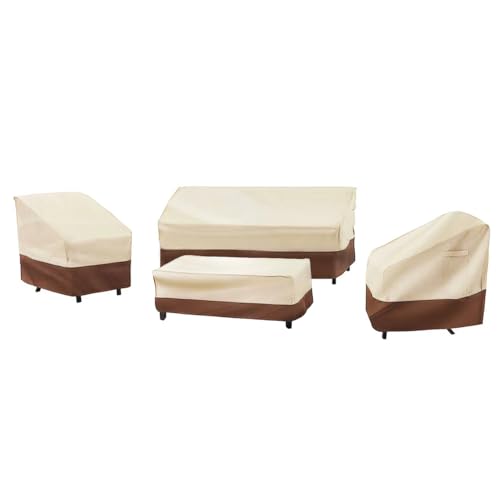
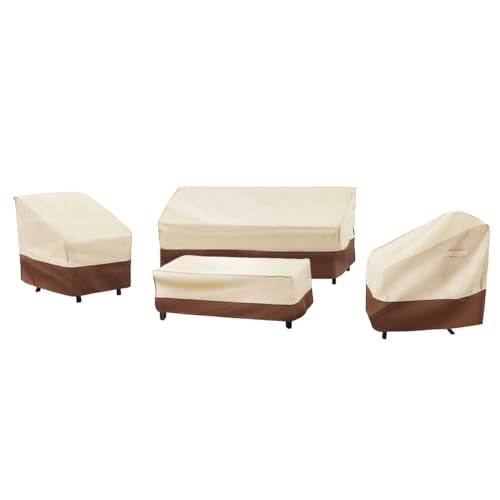
Investing in high-quality covers provides an additional layer of protection from SPF products and other potential contaminants. Make sure the covers are breathable to prevent mold and mildew buildup, while still shielding your seating from direct exposure when not in use.
Maintaining Your Outdoor Furniture Regularly
Establishing a routine for upkeep significantly enhances the longevity of your patio pieces. I prioritize meticulous cleaning and inspection to prevent issues from escalating.
Frequency of Maintenance
- Inspect and clean at the beginning and end of each season.
- Address visible stains or damage immediately to ease future cleaning.
- Monthly checks can help catch small problems before they worsen.
Cleaning Routine
Choose a dedicated day each month for a thorough cleaning. I prefer using gentle solutions suitable for specific materials. Here’s a straightforward approach:
- Dust surfaces using a soft cloth or a brush to remove loose particles.
- For wooden pieces, apply a wood conditioner to preserve texture.
- Metal items benefit from a light polishing to prevent rust formation.
- Use a specialized cleaner for plastic to maintain its appearance.
Concluding each cleaning session with a protective treatment can further extend the life of your pieces. I opt for covers during inclement weather to shield against unwanted elements.
FAQ:
What are the best methods to remove sunscreen stains from outdoor furniture?
To effectively remove sunscreen stains from outdoor furniture, you can use several methods. First, for plastic and resin furniture, a mixture of warm water and mild dish soap can work well. Scrub the affected area with a soft cloth or sponge. For metal surfaces, an all-purpose cleaner or a vinegar-water solution can help dissolve the greasy residue. If the fabric is stained, consider using a fabric-safe cleaner and following the washing instructions. For persistent stains, a mixture of baking soda and water can create a paste that may lift the stain when applied and scrubbed gently.
Can I use bleach to remove sunscreen from outdoor furniture?
Using bleach on outdoor furniture is generally not recommended unless the material is specifically bleach-safe. Bleach can damage finishes, especially on wood or painted surfaces. Instead, opt for milder cleaning solutions. If you do choose to use bleach, ensure that it is diluted properly and test it on an inconspicuous area first to see if there is any discoloration or damage. For safer alternatives, stick to soap and water or specialized cleaners designed for the specific material.
How do I prevent sunscreen stains from occurring on my outdoor furniture?
To prevent sunscreen stains on outdoor furniture, try a few strategies. First, apply sunscreen and allow it to dry completely before sitting on the furniture. Using sunscreen sprays instead of lotions can also help minimize residue. Additionally, consider covering your furniture with protective covers when not in use or creating shaded areas with umbrellas. Regularly cleaning your furniture will also help remove any potential stains before they set in.
What ingredients in sunscreen cause stains on furniture?
The stains from sunscreen typically result from ingredients like oils, titanium dioxide, and zinc oxide, which are common in many formulations. These components can create a greasy film when they come into contact with surfaces. The oils can adhere to furniture materials, causing discoloration and making them difficult to clean. Understanding this can help you select sunscreens that are less prone to staining or take precautions to treat your furniture.
Is there a particular time of year when I should focus more on cleaning sunscreen off my furniture?
Yes, you may want to focus on cleaning sunscreen off your outdoor furniture more during the summer months when outdoor activities are frequent. After events such as pool parties or barbecues, make it a habit to inspect and clean your furniture. Even if you don’t notice stains immediately, regular maintenance during active seasons can prevent buildup and protect your furniture from lasting damage.
What are some effective methods to remove sunscreen stains from outdoor furniture?
To effectively remove sunscreen stains from outdoor furniture, you can try a few different methods. One approach is to use a mixture of mild dish soap and warm water. Apply this solution to the stained area using a soft cloth or sponge, gently scrubbing until the stain lifts. Rinse the area with clean water and let it dry. Another method involves using a mixture of vinegar and water. This natural solution can help break down the sunscreen oils without damaging most furniture materials. For persistent stains, consider using a commercial cleaner specifically designed for outdoor furniture, following the instructions carefully. Always test any cleaning solution on a small, inconspicuous area first to ensure it won’t cause damage.
Are there any specific precautions to take when cleaning sunscreen off furniture?
Yes, there are several precautions to keep in mind when cleaning sunscreen off outdoor furniture. First, identify the material of your furniture; different materials like wood, metal, or plastic may require different cleaning methods. Always test a small area before applying any cleaning solution to the entire surface. Protect your hands with gloves if you’re using strong cleaners or vinegar, as it can irritate the skin. It’s also advisable to work in a well-ventilated area, especially if you’re using chemical cleaners. Avoid using abrasive scrubbers, as they can scratch the furniture’s surface. Lastly, after cleaning, ensure the furniture is thoroughly dried to prevent damage from moisture, especially for wooden furniture, which can warp or rot if left damp.


