Caleb Turner

Apply a mixture of diatomaceous earth and essential oils like clove or tea tree directly to the affected areas. This method not only disrupts the pests’ exoskeleton but also masks the scent trails they leave behind, effectively deterring them from returning.
Create a barrier by using a blend of orange oil and water. Spraying this solution in potential entry points offers a double benefit: it acts as both a repellent and a killing agent, ensuring that annoying intruders do not get a foothold in your cherished possessions.
Maintain dryness in your surroundings by using dehumidifiers or ensuring proper ventilation. Moist environments invite unwelcome guests, so keeping humidity levels low is a simple yet effective preventative measure.
Regular inspections of wooden belongings help catch issues early. Look for signs such as hollow sounds when tapping the wood or tiny holes, indicating a problem that needs immediate attention.
Consider incorporating items like boric acid powder as a treatment. This natural insecticide can be sprinkled in infested areas, working to exterminate invaders while preserving the integrity of your items.


Identify Signs of Infestation in Wooden Items
Pay close attention to small holes in the wood, often resembling pinpricks. These openings can indicate entry points for destructive insects. Also, examine the surface for any signs of frass, which looks like wood dust or tiny pellets. This debris is a clear sign of activity, as these creatures often leave it behind while feeding and tunneling through the material.
Listen for Unusual Sounds
Strike the surface gently with a hard object. If you hear soft clicking or rustling noises, this could point to movement within the wooden structures. Additionally, check for hollow sounds when tapping; a dull thud may suggest that the interior has been compromised.
Monitor for Discoloration and Damage
Inspect for any discoloration or warping of the surface. These changes can signal moisture and weakness caused by infestation. Look for blistering paint or peeling varnish, which can occur as the wood begins to break down. Regular checks might alert to more serious problems before they worsen.
Use Nematodes to Combat Wood-Dwelling Pests
Nematodes serve as a biological method to control wood-boring pests. These microscopic roundworms invade the bodies of harmful insects, leading to their demise. To utilize them effectively, I prepare a solution of nematodes according to the instructions provided by the supplier. Once ready, I apply the nematodes directly onto the infested wooden surfaces.
Timing is significant; adding them during warmer months enhances their activity. Additionally, maintaining moisture in the treated wood creates a conducive environment for nematodes. I ensure the area remains damp for several days after application to maximize their effectiveness.
Here’s a simple table outlining steps for applying nematodes:
| Step | Action |
|---|---|
| 1 | Purchase nematodes from a reputable supplier. |
| 2 | Follow the mixing instructions carefully. |
| 3 | Apply nematodes on affected areas. |
| 4 | Water the wood lightly to maintain moisture. |
| 5 | Monitor the area for signs of effectiveness over time. |
Utilizing nematodes aligns with eco-friendly practices, minimizing chemical use while effectively addressing infestations. Regular monitoring of the treated areas allows for adjustments and ensures the process remains effective.
Apply Diatomaceous Earth for Termite Control
I recommend using food-grade diatomaceous earth to combat wood-destroying pests. This natural powder, derived from fossilized algae, works by dehydrating these insects upon contact. Its tiny, sharp particles penetrate the exoskeleton, leading to their demise. To employ this method effectively, sprinkle a light layer of diatomaceous earth in areas where you’ve observed signs of infestation. Pay attention to crevices, joints, and any cracks in the wood.
Application Tips
For optimal results, ensure the surface to be treated is dry. A damp environment can hinder the effectiveness of the powder. After application, leave it undisturbed for at least several days. Reapply if necessary, especially after cleaning or exposure to moisture.
Precautions
While diatomaceous earth is safe for domestic use, avoid inhaling the dust. It’s wise to wear a mask during application. Keep pets and children away from treated areas until the residue has settled. Monitor the effectiveness regularly, as multiple treatments may be required for complete eradication.
Utilize Essential Oils for Natural Repellent
I recommend using clove, tea tree, or orange oils as they effectively deter wood-destroying pests. Combine 10-15 drops of any of these oils with water in a spray bottle. Shake well and apply to affected areas.
Clove oil is known for its potent aroma; its compounds disrupt the nervous system of these insects. For direct application, soak a cotton ball in clove oil and place it in secluded spots.
Tea tree oil not only repels but also has antifungal properties. A mixture of tea tree oil with carrier oil can be applied to wooden surfaces for additional protection.
Orange oil works well due to its D-limonene content, which is toxic to unwanted pests. Using this oil in a diluted form ensures safety while creating a hostile environment for infestations.
Regular application every few weeks enhances effectiveness, especially in areas prone to moisture, which attract such guests. Always test oil mixtures on a small area to prevent any damage to surfaces.
Create a vinegar solution for treatment
Combine one part white vinegar with one part water in a spray bottle. This mixture acts as a strong deterrent against unwanted wood-dwelling pests. Spray directly onto the infested areas, ensuring complete coverage of surfaces and crevices. Allow the solution to soak into the wood for at least 30 minutes before wiping away any excess with a clean cloth.
For prolonged protection, repeat this application every couple of weeks. Vinegar’s acidity disrupts the life cycle of these pests, making it an effective part of a multi-faceted approach to safeguard against further problems. Additionally, consider using this solution on vulnerable items as a preventive measure, especially in areas with high humidity where infestation risk is elevated.
Implement Heat Treatment as a DIY Method
For effective elimination, I preheat the affected items to 120°F (49°C) for at least 30 minutes. This temperature is lethal to unwanted pests and can be achieved using a heat gun or an oven. I ensure all wood components are exposed directly to the heat, which may involve disassembling larger pieces.
If employing a heat gun, I maintain a constant movement to avoid burning the wood. Establishing enclosed spaces with tarps can help concentrate heat. Using an infrared thermometer assists in monitoring surface temperatures accurately.
Alternatively, placing smaller objects in an oven is straightforward. I set the oven to the desired temperature and leave the items inside for the specified duration. After treatment, I allow the wood to cool down naturally to avoid causing cracks.
Always remember to check for hidden areas that may have not received adequate heat exposure, as thoroughness ensures all life stages of the pests are eradicated.
Seal Cracks and Entry Points to Prevent Infestation
Begin by inspecting all potential entry routes for wood-destroying insects in your home. These might include cracks, gaps, and joints in walls, floors, or around windows and doors. Sealing these areas is crucial for keeping damaging pests at bay.
Materials Needed
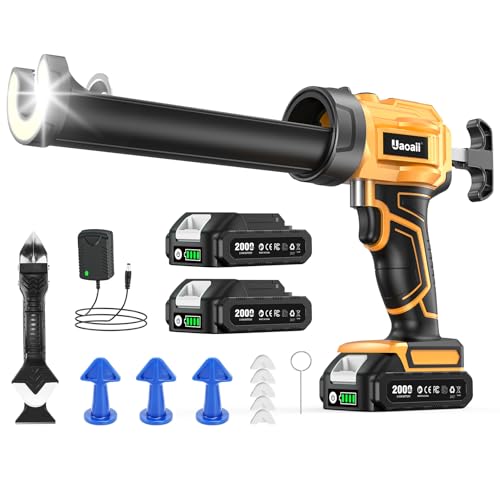
- Caulking gun
- High-quality caulk or sealant
- Wood filler
- Expandable foam spray (for larger gaps)
Steps to Seal Entry Points
- Examine all surfaces thoroughly, focusing on areas where wood contacts other materials.
- Use a suitable caulk to fill in small cracks and gaps. Apply it evenly and push it in to ensure no space is left unsealed.
- For larger holes or gaps, utilize expandable foam spray, which can fill voids effectively. Follow the manufacturer’s instructions for application.
- Apply wood filler on any damaged or exposed areas of wood, making sure to sand it smooth after it dries.
- Check around plumbing and electrical outlets, as pests can enter through these pathways. Ensure these areas are tightly sealed.
Regular maintenance of these seals can prevent new infestations while protecting your wooden items. Periodically inspect the sealed spots to ensure they remain intact. If any gaps reappear, immediately reapply the sealant and monitor the area closely.
Maintain Proper Humidity Levels to Deter Pests
I keep the relative humidity in my home between 30% and 50%. This range discourages unwanted infestations, as these creatures thrive in moist environments.
Tips for Monitoring and Adjusting Humidity
- I use a hygrometer to regularly check humidity levels in various rooms.
- Employing exhaust fans in bathrooms and kitchens helps reduce excess moisture.
- I make sure to repair any leaky plumbing to prevent humidity buildup.
- Using dehumidifiers in particularly damp areas, like basements, can be beneficial.
Maintaining Dryness in Specific Areas
- I ensure proper ventilation in attics and crawl spaces by installing vents.
- Using moisture barriers in basements keeps ground moisture from seeping in.
- I store wood items and other organic materials in a dry location, away from damp walls.
By taking these measures, I significantly reduce the risk of attracting unwanted wood-destroying organisms and protect my home efficiently.
Regularly inspect and maintain wooden pieces
I prioritize routine checks to spot any potential problems early. Examining my wooden items for signs of deterioration, such as small holes or unusual sawdust, helps catch infestations when they are still manageable. I aim to perform these inspections at least once every three months.
Cleaning and dusting
I ensure to regularly clean and dust my wooden assets. This practice not only maintains their appearance but also allows me to notice any early signs of issues. Using a damp cloth followed by drying is sufficient; abrasive cleaners can damage surfaces and hide problems.
Protection treatments
I apply a protective coating to my wooden belongings. Using natural oils like linseed or tung oil serves as a barrier against moisture and harmful organisms. Reapplying these treatments every 6 to 12 months significantly enhances their durability.
FAQ:
What are some natural methods to eliminate termites from furniture?
There are several natural approaches to deal with termites in furniture. First, you can use diatomaceous earth, which is a powder made from fossilized algae. It works by dehydrating the termites when they come into contact with it. Another method involves using essential oils, such as orange or neem oil, which have insecticidal properties. Additionally, you can create a solution of vinegar and water, applying it to affected areas to disrupt termite activity. Finally, placing Boric acid around the furniture can also help, as it is toxic to termites and can be effective in deterring them.
How can I tell if my furniture is infested with termites?
Identifying a termite infestation in furniture often involves looking for specific signs. First, check for tiny holes in the wood, which can indicate where termites have entered. You might also notice frass, a type of wood dust or droppings, beneath the furniture. Furthermore, if you tap on the wood and hear a hollow sound, this could suggest that termites have eaten away at it. Visible swelling or buckling of the wood can also indicate damage. It’s best to inspect your furniture regularly to catch any potential infestations early.
Is it safe to use natural remedies around pets and children?
Many natural remedies for termite control are generally considered safer than chemical treatments, especially around pets and children. For instance, diatomaceous earth is non-toxic to humans and animals, provided it is food-grade. Essential oils like orange and neem are also viewed as safer alternatives, though it’s good practice to ensure proper ventilation when using them. Vinegar is also non-toxic. However, it’s essential to keep all substances away from small children and pets during application to avoid any potential discomfort or allergic reactions.
How long does it take for natural treatments to work against termites?
The duration for natural treatments to be effective against termites can vary based on the severity of the infestation and the method used. Typically, you may start seeing results within a few days to a week after applying diatomaceous earth or essential oils. However, for more established infestations, it might take several weeks or even months to completely eliminate the termites, as these treatments work gradually. Regular monitoring and reapplication are often necessary to ensure the best outcome and prevent any future infestations.