
 Caleb Turner
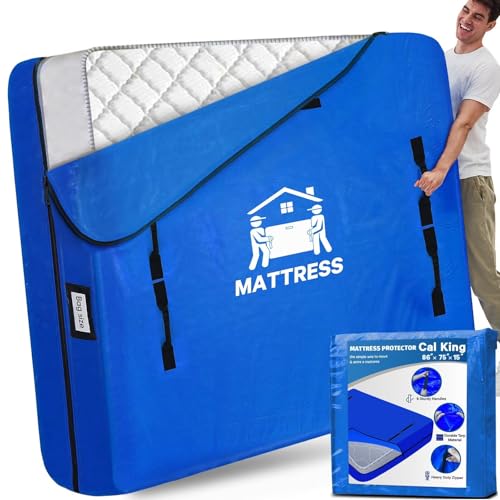
If you’re looking to clear your space, consider connecting with local charities like Goodwill or The Salvation Army. They often accept donations, and you may even qualify for a tax deduction. Be sure to check their guidelines for acceptable items to streamline the process.
Another option is utilizing online marketplaces such as Craigslist or Facebook Marketplace. These platforms allow for easy listings, letting you reach potential buyers quickly. Ensure you provide clear descriptions and photos to attract interest.
Local recycling centers can also help if your items are beyond repair. Many facilities in the area accept different materials, from wood to metal, ensuring eco-friendly disposal. Always verify what can be recycled to avoid disturbances.
For larger pieces that are tough to move, hiring a junk removal service can simplify things. Companies like 1-800-GOT-JUNK? offer straightforward pricing and same-day service, taking the stress out of heavy lifting.
Lastly, consider hosting a garage sale to sell multiple items at once. Spread the word through community boards, social media, or neighborhood apps. This not only lightens your load but can also provide a little extra cash.


Disposing of Unwanted Household Items Securely
I prefer scheduling a pickup with local charities that accept used goods. Organizations like Goodwill and The Salvation Army often arrange for free pickups in residential areas. This not only clears space but also supports those in need.
For a quicker solution, I rely on Craigslist or Facebook Marketplace to list items for free. The local community frequently responds, ensuring a swift exchange.
Another option involves using 511 or Recology for bulk item collection services. They provide specific instructions on scheduling pickups for larger pieces, contributing to responsible disposal methods.
Consider utilizing recycling centers specifically designed for unwanted pieces. I’ve found local spots that accept various materials and furnishings, allowing me to dispose of items sustainably.
If I need immediate assistance, hiring a junk removal service is practical. Many local companies specialize in clearing out homes quickly, and they often donate usable items to local charities.
For those willing to put in a bit of effort, organizing a neighborhood swap or garage sale is an engaging way to go. It promotes community interaction while ensuring that items find new homes.
Finally, always check local regulations regarding hazardous materials if the items in question contain elements that may pose environmental risks. Proper disposal is crucial for community health.
Finding Local Donation Centers for Unwanted Items
To locate donation centers in the area, I often start by researching online listings. Websites like Yelp or Google Maps provide user reviews and ratings, which help me choose reputable places. I look for centers that accept various household goods and have a clear description of what they collect.
Popular Donation Options
- Goodwill: This organization accepts a wide range of household items, including clothing and small appliances. I usually find a location close by, and their staff are helpful with drop-offs.
- Salvation Army: They also take furniture donations. I appreciate their free pick-up service for larger items, which saves me time and effort.
- Habitat for Humanity ReStores: A great option for larger pieces. They focus on home improvement and furnishings, and they utilize profits to support their housing projects.
Steps Before Donation
- Ensure items are in good condition. I clean and check for any damage before donating.
- Contact the center to confirm donation guidelines and accepted items.
- Schedule a drop-off or a pick-up if available–it makes the process much easier.
Using these resources helps me find suitable spots for donations, ensuring my unneeded belongings can have a second life while supporting the community.
Exploring Furniture Recycling Options in San Francisco
Utilizing local recycling programs is an excellent choice for disposing of unwanted pieces. San Francisco’s Department of the Environment offers various recycling initiatives specifically tailored for large items such as sofas and tables. I can schedule a pick-up through their Special Collection Service, which also provides insights on nearby drop-off locations for recycling.
Recycling Centers
There are several dedicated recycling centers across the city. For instance, the Recology San Francisco facility accepts many household items, including large pieces. I check their website for information on accepted materials and specific drop-off hours.
Upcycling Programs
Several organizations focus on upcycling, transforming discarded pieces into creative new items. Organizations like the SF Furniture Reuse Network connect those wanting to recycle with local artisans. Engaging with these upcycling initiatives not only promotes sustainability but adds a unique flair to my home.
I find that exploring all available options ensures that unwanted items see another life instead of heading straight to the landfill. Staying informed about local resources enhances my experience in sustainable decision-making.
Scheduling a Bulk Pickup Service
I recommend visiting the official website of the city’s waste management department. They provide a straightforward online form for scheduling bulk pickups. You’ll need to enter your address and select a pickup date, which is typically available on designated days.
Details for Scheduling
Ensure all items are ready for collection on the scheduled day. It’s crucial that everything is placed curbside by the start of the pickup window, usually early in the morning. Include a brief list of items you’re discarding, as this helps the crew prepare for the service.
Fees and Regulations
Familiarize yourself with any associated fees, as the service may charge based on quantity or type of items. Some restrictions may apply, like certain hazardous materials or oversized items. Checking the guidelines will prevent any surprises and ensure compliance with local regulations.
Using Online Marketplaces to Sell or Give Away Items
Consider utilizing online platforms such as Craigslist, Facebook Marketplace, or OfferUp to sell or give away your unwanted items. These sites connect you directly with local buyers or individuals seeking free items, making the process quick and straightforward.
Top Platforms
| Platform | Best For |
|---|---|
| Craigslist | Offering items for sale or giveaways; strong local presence |
| Facebook Marketplace | Reaching a wide audience quickly; community-oriented |
| OfferUp | Easy mobile app for selling; user-friendly interface |
| Nextdoor | Connecting with neighbors to offer items locally |
List your items with clear photos and accurate descriptions. Setting a fair price will attract more interest if you choose to sell. For giveaways, be transparent about the condition and highlight any notable features that might appeal to potential takers.
Be prepared to communicate promptly with interested parties, and arrange meet-ups in safe, public locations. Utilizing these digital tools not only declutters your space but can also benefit someone else in your community.
Understanding the City’s Waste Management Guidelines
Before taking any action to remove bulky items, I reviewed the local waste management regulations. The Department of Public Works has specific rules for disposal, and adhering to these is crucial for proper waste handling in our area.
Key guidelines to consider include:
- Items must be placed on the curb on designated collection days. Each neighborhood has a unique schedule, so check your local calendar.
- Use of proper containers is mandated for smaller trash items. These containers should be easily accessible for collection crews.
- Adhere to weight limits for bulk pickups, typically around 50 pounds per item.
- Construction debris is not accepted during bulk collection; instead, disposal should occur at designated facilities.
Inquiries about specific regulations or scheduling can be directed to the city’s waste management hotline. Utilizing this resource ensures compliance with local laws and promotes a cleaner environment.
Benefits of following these guidelines include avoiding potential fines and contributing to the community’s maintenance efforts. I made sure to check for local recycling centers to divert materials away from landfills, contributing to sustainability.
Hiring Junk Removal Services: What to Consider
Evaluate the reputation of the service provider. Read online reviews and check ratings on platforms like Yelp or Google. Positive feedback from customers indicates reliability and quality service.
Confirm the pricing structure. Request a detailed estimate that outlines all potential costs, including labor, disposal fees, and any additional charges that may arise. Avoid services that provide vague or confusing pricing information.
Check their licensing and insurance. Ensure the company is fully licensed to operate in your area and has insurance to protect against damages or accidents during the removal process. This provides peace of mind and legal protection.
Ask about their disposal practices. Inquire whether they recycle items or donate to local charities. Environmentally friendly disposal methods align with sustainable practices, minimizing landfill contributions.
Schedule a convenient time for service. Many companies offer flexible scheduling options. Choose a timeframe that works best for you, whether it’s same-day service, weekend availability, or evenings.
Discuss the removal process in detail. A good service will be transparent about how they work, including the time it typically takes and how they handle large or awkward items. Understanding their approach helps set expectations.
Ensure clear communication. Effective junk removal companies maintain good communication with clients. Confirming appointments and following up after service completion demonstrates a commitment to customer satisfaction.
Tips for Breaking Down Furniture for Easier Disposal
Use a pry bar or crowbar to disassemble wooden structures. This tool is ideal for removing nails from the frames. For more stubborn fasteners, a hammer can help loosen them. Start by removing parts such as legs, shelves, or drawers, which will significantly reduce the bulk.
Tools You’ll Need
Have a screwdriver set, hammer, saw, and utility knife ready. A reciprocating saw can assist with cutting through larger components, especially if they’re too heavy to move intact. Protective gloves and goggles will safeguard against splinters or debris.
Sorting Materials
As you take apart each piece, sort the materials immediately. Separate wood, metal, and fabric. This will simplify the recycling process and make disposal at local centers easier. Check with local recycling programs to find out what materials are accepted in your area.
Consider documenting the process. If you need to share photos for a donation or selling platform, you’ll have a record on hand. This can increase your chances of a successful transaction or contribution.
Being systematic reduces stress and helps avoid injuries. Proper breakdown not only facilitates removal but can also provide opportunities for reusing parts in future projects.


