
 Caleb Turner

Regularly clean all surfaces using a damp microfiber cloth. This simple practice captures tiny invaders effectively while preventing them from settling into crevices. Avoid using dry materials, as they can scatter allergens into the air.
Incorporate a mixture of distilled water and white vinegar for an added boost. The acidity of vinegar not only cleans but also creates an unfavorable environment for unwanted organisms. Make sure to test a small, hidden area first to avoid any discoloration.
Maintaining low humidity levels is key. Utilize a dehumidifier or air conditioner to keep indoor moisture below 50%. This restriction hampers reproduction and survival, thereby curbing any potential for larger infestations.
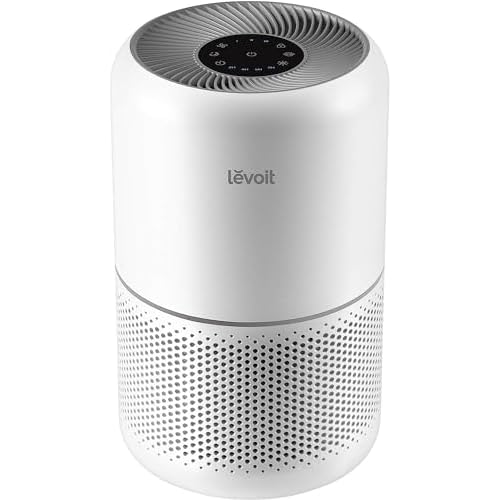

Consider investing in specialized sprays formulated to address these nuisances. Look for eco-friendly options that contain natural ingredients such as eucalyptus or tea tree oil, known for their repellent properties.
Finally, vacuum beneath and behind your items frequently. Use a vacuum equipped with a HEPA filter to capture and minimize exposure to allergens. By following these straightforward tips, I’ve successfully maintained a cleaner and healthier environment throughout my living space.
How to Eliminate Microscopic Pests on Timber Surfaces
Regularly wipe surfaces with a damp microfiber cloth. This procedure traps particles instead of spreading them into the air.
Employing Natural Solutions
Utilize a mixture of water and white vinegar in a spray bottle. The acidity in the vinegar effectively neutralizes these unwanted creatures.
- Combine equal parts of water and vinegar.
- Spray lightly on affected areas.
- Allow it to sit for several minutes, then wipe down with a clean cloth.
Enhancing Air Quality
Investing in an air purifier with a HEPA filter can significantly reduce the presence of these tiny nuisances in your living space.
Consider maintaining lower humidity levels. Aim for a relative humidity of around 30-50% using a dehumidifier if necessary.
- Monitor humidity using a hygrometer.
- Adjust settings on the dehumidifier as needed.
Thoroughly vacuum areas with an appropriate filter. Focus on crevices and under heavy items to ensure comprehensive removal.
Identifying Unwanted Pests on Wooden Surfaces
Begin with a thorough visual check of surfaces. Look for tiny dark specks, often resembling pepper, which may indicate the presence of these unwanted organisms. Focus on corners, crevices, and underneath objects where debris accumulates easily.
Signs of Presence
Next, examine for any signs of moisture or excessive humidity. These critters thrive in damp environments, making areas with condensation or spills potential hotspots. Consider investing in a humidity meter to monitor levels.
Assessment Techniques
Use a white cloth dampened with water to wipe surfaces. After cleaning, if you notice residual dark spots on the cloth, it’s a clue of prior infestations. Regular dusting and vacuuming with a HEPA filter can also assist in reducing these nuisances. Always pay attention to seasonal changes, as they can affect population levels dramatically.
Regular Cleaning Techniques for Wood Furniture
I recommend using a microfiber cloth for routine maintenance. This material effectively traps particles without scratching surfaces. Dampen the cloth slightly with water or a mild cleaning solution to enhance its cleaning capability.
Deep Cleaning Approaches
For thorough cleaning, concoct a mixture of equal parts vinegar and water. Apply this solution lightly to a cloth, avoiding saturation. Wipe the surfaces, ensuring to buff with a dry cloth afterwards.
Regular Maintenance Tips
Incorporate monthly polishing into your schedule using a natural wax or polish designed for hard surfaces. This not only resurrects shine but also creates a protective layer against future accumulation. Always follow product instructions for optimal results.
Using Natural Remedies to Eliminate Dust Mites
I recommend several natural approaches to assist in eliminating these unwanted organisms. These alternatives are gentle on the environment, and often readily available at home.
- Essential Oils: Eucalyptus, tea tree, and lavender oils are known for their effectiveness. Mix a few drops of these oils with water in a spray bottle and lightly mist your surfaces, avoiding excessive wetness. The strong scents deter these organisms.
- Baking Soda: This common household item acts as a powerful absorbent. Sprinkle baking soda on the surfaces, let it sit for at least 15 minutes, then vacuum it up thoroughly. This process can help eliminate any residual moisture and particles.
- Vinegar Solution: Combine equal parts of white vinegar and water in a spray bottle. Spray directly on surfaces and wipe down with a clean cloth. This method not only cleans but also neutralizes odors, helping to keep the area fresh.
- Salt: Sodium chloride has a dehydrating effect. Dissolve salt in water, apply it on surfaces, and allow it to dry before wiping it away. This can create an inhospitable environment for these creatures.
- Humidity Control: These organisms thrive in humid conditions. Use a dehumidifier to maintain humidity levels below 50%. Regularly airing out the space by opening windows can also help reduce moisture.
By utilizing these natural remedies, one can work towards maintaining a cleaner and healthier environment, minimizing the presence of these small organisms effectively.
Applying Protective Treatments for Wood Furniture
Using protective solutions can significantly reduce the presence of unwanted small creatures on surfaces. Here are some recommended treatments:
Natural Oils
Applying natural oils, such as neem or eucalyptus, acts as a deterrent. Dilute a few drops with a carrier oil, and gently massage into the surface. This not only conditions the material but also imparts a fragrant barrier.
Commercial Protectants
Select products specifically formulated for sealing. Look for those labeled as insect-repellent. Follow the manufacturer’s directions for application frequency and techniques to ensure optimal protection.
| Treatment Type | Application Method | Frequency |
|---|---|---|
| Natural Oils | Apply with a soft cloth | Every 4-6 weeks |
| Commercial Protectants | Spray evenly, wipe excess | Every 3 months |
Regularly inspect for wear on the protective layer; reapply as necessary to maintain an effective barrier against unwanted guests. Careful maintenance ensures longevity and enhances the aesthetic appeal of the surfaces.
Maintaining Low Humidity Levels in Your Home
One effective method to combat small pests is achieving and maintaining a humidity level below 50%. I use a hygrometer to monitor indoor humidity. If levels exceed this threshold, I take action immediately.
Using a dehumidifier is a straightforward approach. I place it in damp areas like basements or bathrooms. Regularly emptying the water reservoir ensures it operates at peak efficiency.
I also open windows whenever possible to improve air circulation, particularly on dry days. Ventilation reduces moisture accumulation. Additionally, running exhaust fans in kitchens and bathrooms helps dissipate steam and humidity from daily activities.
Keeping indoor plants to a minimum also helps; some varieties can increase humidity. When I do have plants, I ensure they’re not overwatered. Mindful watering practices help prevent any excess moisture in the air.
Finally, regular checks for leaks in roofs, plumbing, or around windows can prevent unwanted water entry. Addressing these issues proactively minimizes moisture buildup.
Recognizing When to Seek Professional Help
If persistent reflections of small creatures continue after my thorough cleaning efforts, it may be time to bring in experts. I look for clear signs such as increased allergic reactions among household members, including frequent sneezing or skin irritations. A sudden rise in respiratory issues can indicate a significant problem that needs addressing.
Indicators of an Infestation
Visible clusters on surfaces or evidence of moulting and waste indicate a larger infestation than I can manage on my own. If I discover them in various areas or notice a musty odor, it suggests professional intervention is necessary. Routine vacuuming and natural remedies might not suffice in such cases.
Complex Situations
In instances where I cannot identify the source or location of these creatures, specialists can perform a comprehensive inspection. They possess tools and techniques for detection that go beyond what I have at my disposal. If attempts to maintain lower humidity fail and levels remain elevated, a qualified technician can assess for moisture issues in hidden areas that contribute to the problem.


