
 Caleb Turner

Contact local junk removal services first. Many companies offer free estimates and can quickly assess what needs to be taken. Look for those with good reviews to ensure reliable service. Some may even provide same-day pickups.
Consider donating items in usable condition. Local charities or shelters often appreciate the contribution. Check their websites for details on donation practices and pickup options.
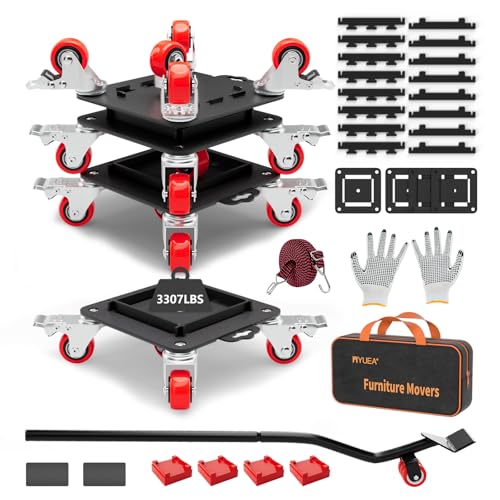
If you’re handling transportation oneself, renting a truck could be a viable choice. Many rental services offer affordable rates for short periods. Make sure to plan your route in advance to save time and avoid additional fees.

Utilizing recycling centers can also be beneficial. Many areas have specific facilities dedicated to repurposing materials. Research your local options to find out what can be accepted and what the procedure entails.
Lastly, organize a community clean-up day. Neighbors might be interested in joining forces, making the task quicker and more enjoyable. This can also foster connections within your local area.
Guide to Removing Unwanted Home Items
Contact local charities or organizations that accept donations. Many are willing to pick up items directly from your home, making the process hassle-free for you. Research options in your area.
Utilize online platforms for scheduling pickups. Websites like Craigslist or Freecycle can connect you with individuals looking for used items, often at no cost.
Consider rental services. Numerous companies offer trucks or vans specifically for transporting large pieces, allowing you to handle the removal on your schedule. This option can be especially convenient for those with multiple items to discard.
Engage professional services specializing in clearance operations. They typically provide comprehensive solutions, including disassembly if needed, which makes it easier for you to handle bulky items without stress.
Look into municipal collection days for large items. Many towns have specific times when they will pick up bulk waste, saving you the cost associated with private services.
Table of Options:
| Method | Pros | Cons |
|---|---|---|
| Charity Donation | Free Pickup, Helps Community | Limited acceptance based on item condition |
| Online Platforms | Free, Quick Turnaround | Safety concerns, No guarantee for pickup |
| Rental Services | Flexible Scheduling, Control Over Process | Rental Fees, Requires Van Driving |
| Professional Clearance | Convenience, Full Service | Higher Costs |
| Municipal Collection | Usually Free, Scheduled Service | Limited Frequency, Schedule Dependent |
Explore local community pages or social media groups for recommendations and schedules, ensuring you find the best solution suited to your needs.
Assessing Your Furniture Hauling Needs
Evaluate the quantity and size of items needing removal. Create a list detailing each piece, including dimensions and weight estimates. This data helps service providers give accurate quotes and determine the necessary equipment for transportation.
Conditions of Items
Inspect the condition of your items. If anything is damaged or worn, note this information. Disposing of broken or unusable items can save time and resources, allowing focus on pieces that are still functional.
Accessibility and Location
Examine the accessibility of your space. Measure doorways, hallways, and staircases to ensure smooth removal. If access is restricted, inform the hauling team in advance, so they can prepare for potential challenges during the process.
Finding Local Junk Removal Services
Researching local disposal companies is more productive when focusing on specific criteria. I suggest starting with online platforms or neighborhood forums to identify potential services. Look for companies with strong reviews and a well-established presence in your community.
Consider these steps for narrowing down your options:
- Search for local services on sites like Yelp or Google Maps, filtering by ratings and proximity.
- Look for companies that provide transparent pricing, which can often be found on their websites or by contacting them directly.
- Ask for recommendations from friends or family who have previously used junk removal services to gauge their reliability.
Once you have a shortlist, arrange for estimates. Many companies offer free quotes that provide insight into expected costs and the timeline for removal. Always confirm if they handle the specific items you need to dispose of.
Additionally, check if the services practice eco-friendly disposal methods, as this can be an important consideration for many.
To ensure quality service, verify insurance and licenses, which can protect you if any issues arise during the process.
Lastly, communication is key. Engaging with the chosen service’s customer support can clarify any remaining questions before finalizing your selection.
Preparing Furniture for Pickup
Remove all personal items and accessories from the pieces you want to dispose of. This includes drawers, cushions, and any decorative elements. Ensuring the furniture is completely empty helps avoid losing items and speeds up the collection process.
Disassemble When Possible
If items can be easily taken apart, such as bed frames or modular units, do so to facilitate easier transportation. This also reduces the risk of damage during removal. Keep any screws and small parts in a labeled bag to prevent loss.
Clean the Items
Wipe down surfaces and vacuum any fabric sections before pickup. A tidy appearance not only makes the process smoother but also shows consideration for the service team helping with the collection. Additionally, this can make a difference if you’re donating rather than discarding.
Understanding Pricing and Fees
Research different pricing structures from local services. I found that costs can range based on the volume of items, distance, and labor required. Many companies operate on a per-truckload basis, while some offer flat rates for specific services.
Factors Influencing Cost
Weight and size of the items are primary factors. Larger, heavier pieces typically incur higher fees. Additionally, if items require disassembly or special handling, expect an increase in charges. Access to your location matters too–if I have narrow hallways or steep staircases, additional fees might apply.
Hidden Fees to Watch For
Always ask about potential add-ons such as fuel surcharges, disposal fees, or charges for ready-made cleanup. Many companies include these in their initial estimates, but exceptions can occur based on specific circumstances. Reading reviews can also provide insights into any unexpected costs associated with particular services.
Scheduling a Pickup Appointment
Call the selected removal company directly to arrange a time for collection. Providing specific details about the items being removed is crucial, as it helps in determining the size of the vehicle required and the timeframe needed for the pickup.
Consider the timing of your appointment. Weekdays might be less busy compared to weekends, allowing for greater flexibility. Ask if they offer same-day service for any last-minute needs. Weekend slots might fill up quickly, so securing your appointment early is advantageous.
Discuss any access issues that may arise during the collection. Inform the service about where the items are located and if there are any stairs, narrow hallways, or obstacles that could complicate the process. This can impact the time and resources needed.
Inquire if the company provides slots for two-person teams, especially for larger items. Having enough manpower ensures safety and efficiency during the removal. Confirm any requirements they might have, such as payment methods or identifying documents.
Once the appointment is set, jot down all the details, including the date, time, and any specific instructions given by the removal service. Sending a quick reminder the day before can help avoid any miscommunications.
Finally, be prepared to be there during the pickup. Staying on-site allows for addressing any last-minute questions or concerns that the team might have regarding the items being collected.
Exploring Donation and Recycling Options
Choosing to donate or recycle unwanted items can significantly benefit both the community and the environment. Begin by identifying local charities that accept reusable pieces. Many organizations, such as Goodwill and Habitat for Humanity, often appreciate quality donations. Before scheduling a drop-off or a pickup, confirm their guidelines on accepted items.
Donation Centers
- Goodwill: Offers free pickup in some regions and supports job training programs.
- Habitat for Humanity ReStores: Accepts building materials and home goods. Proceeds fund home construction.
- Salvation Army: Provides pickup services and donates proceeds to community programs.
- Local shelters or community centers: Often have a need for furniture in good condition.
Recycling Programs
- Check with local waste management companies for recycling options specific to large items.
- Some retailers offer take-back programs for certain products when purchasing replacements.
- Furnishing recycling programs: Research if there are specialized services in your area that handle recycling materials from old household goods.
Assessing the condition of items before donating is crucial. Ensure that everything is clean, functional, and safe to use. Items unsuitable for donation may still have recycling potential; contact local facilities for information. These efforts not only clear space but also contribute positively to the greater community. Taking actionable steps toward donation or recycling can maximize sustainability and support local initiatives.


