
 Caleb Turner

Begin by sprinkling a generous amount of baking soda directly onto the affected area. This natural deodorizer will help absorb the lingering aroma quickly. Allow it to sit for at least 15-30 minutes, then vacuum thoroughly to remove the powder along with any trapped odors.
For persistent scents, create a mixture of equal parts water and white vinegar in a spray bottle. Lightly mist the area without saturating it, and let it air dry. The vinegar’s acidic properties will neutralize unwanted fragrances, leaving behind a fresh scent.
Another option involves using activated charcoal. Place a few bowls of this absorbent substance near the upholstered items for 24-48 hours. Charcoal is known for its ability to trap various pollutants, including stubborn odors.
If the fabric allows for it, consider using steam. A handheld steamer can refresh the surface while eliminating particles that may be causing the unpleasant aroma. Make sure to keep the steamer at a safe distance to avoid damaging the fabric.

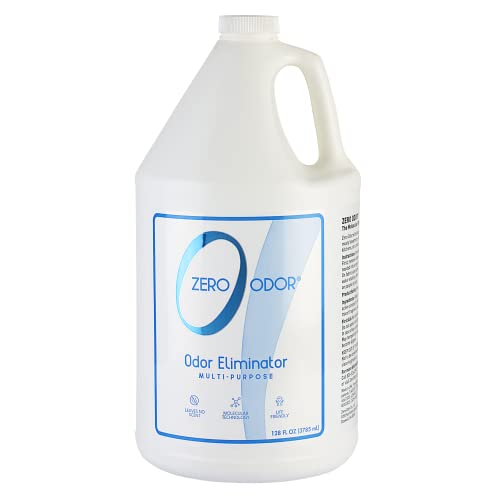

Experiment with essential oils to impart a pleasant scent afterward. A few drops diluted in water can be used to mist the area gently, ensuring you achieve the desired aroma without overwhelming the senses.
Removing Unwanted Fragrance from Upholstery
Switch to a mixture of white vinegar and water for a natural and efficient approach. Combine equal parts vinegar and water in a spray bottle. Lightly mist the affected areas, being careful not to saturate the fabric. Allow it to air dry, which should help neutralize lingering odors.
- Use baking soda as an alternative method. Sprinkle an ample amount over the upholstery and let it sit for several hours or overnight. Vacuum it thoroughly afterward to eliminate both the baking soda and the absorbed scents.
- Consider using activated charcoal or commercial odor absorbers. Place these in small containers near the furniture, allowing them to capture and neutralize any undesirable fragrances over time.
- Incorporate essential oils for a pleasant aroma. Mix a few drops of your preferred oil with water in a spray bottle. Lightly mist the fabric to introduce a fresh scent while masking any unwanted notes.
Regularly cleaning upholstery with mild soap and water also aids in minimizing stubborn odors. Test any solution on a hidden section first to ensure no damage occurs.
To prevent recurrence, ensure proper ventilation in the room and maintain cleanliness by vacuuming regularly. This helps maintain a fresh environment and reduces the buildup of unwanted fragrances.
Understanding the Composition of Febreze
The product primarily consists of water, fragrance, and a few other chemicals that serve various purposes. Knowing these components aids in effective removal strategies. The fragrances, which often include synthetic and natural elements, bond with odor molecules, creating a masked scent. While this might be pleasant initially, it can become overwhelming, particularly in soft surfaces.
Another significant part is the odor-neutralizing agent. These compounds interact with odor particles, altering their structure so they are less noticeable. Some of these agents are based on cyclodextrin, a natural sugar derived from starch, which can capture and encapsulate odors. Understanding this helps in determining how to treat affected materials.
Environmental considerations also play a role. Many consumers prefer formulations that are free from phthalates and other harmful substances. Reading the label provides insight into the safety and impact of each ingredient. Being aware of the composition allows for informed choices and effective cleaning techniques.
To remove lingering fragrances, it is beneficial to consider the absorption properties of the material. Natural fibers may hold compounds more tightly than synthetic options, which can influence the cleaning method. Utilizing specialized cleaners or dilution methods can assist in reducing the intensity effectively.
Identifying the Type of Fabric
Begin by examining the care label attached to the item. It usually provides essential information on the material composition and recommended cleaning methods. Common types include cotton, polyester, and leather, each requiring a unique approach for odor removal.
Cotton fabrics are generally washable and can be easily treated with mild detergents or solutions made from vinegar. Polyester is synthetic and may need a different approach; testing a small area first helps avoid damage. Leather requires a gentle cleaner specifically designed for it to prevent dryness or discoloration.
For blended fabrics, like cotton-polyester, recognize that they may react to treatment inconsistently. Conduct a patch test before applying any solution across a larger area. These precautions maximize the likelihood of preserving the item’s integrity.
An additional strategy is to consult manufacturer guidelines, which can clarify which cleaning supplies won’t harm the material. Understanding whether the fabric is durable versus delicate influences the choice of cleaning method. I often prefer to err on the side of caution and choose gentler solutions to avoid adverse reactions.
Lastly, consider the texture–smooth, rough, or plush fabrics interact differently with moisture and cleaning agents. A soft brush can help lift particles from pile fabrics, ensuring a thorough cleanup without risking damage. Keep these factors in mind to tailor your approach effectively.
Testing for Colorfastness
I recommend performing a colorfastness test to ensure the integrity of your fabric before applying any cleaning agents. Follow these steps:
- Take a small, inconspicuous area of the fabric.
- Dampen a white cloth with water. You can also add mild detergent if desired.
- Gently rub the damp cloth against the fabric area for about 10 seconds.
- Check the cloth for color transfer. If you see any discoloration, it’s best to avoid using strong cleaners.
If the fabric passes the initial test, consider repeating the process using a mixture of water and vinegar (1:1 ratio) for a more thorough assessment.
Alternative Method
A different approach involves using a cotton swab:
- Dip a clean swab in a diluted cleaning solution.
- Test on a small, hidden section of the fabric.
- Observe for any fading or bleeding of color.
This will give you confidence that cleaning won’t damage the textile. Always prioritize the fabric’s condition before proceeding with any treatment.
Using Baking Soda to Absorb Odors
Sprinkling baking soda on the affected surfaces works wonders for neutralizing unwanted scents. I typically apply a generous layer of the powder over the area, ensuring it’s evenly distributed. Leave it to sit for at least 15-30 minutes, or overnight for tougher residues. The longer it stays, the more effective it can be in absorbing select odors.
After allowing it to work, I simply vacuum up the excess. This not only eliminates the sodium bicarbonate but also pulls away particles contributing to lingering fragrances. If the scent persists, repeating this process might be necessary.
For upholstered items, using a mix of baking soda with essential oils can enhance the freshness. I add a few drops of my favorite oil to the baking soda before application. This gives an added layer of fragrance while the baking soda minimizes any unpleasant notes.
If dealing with fabrics that can attract moisture, a light dusting of baking soda can act as a preventative measure. Regular maintenance with baking soda can keep surfaces smelling clean for longer periods.
Applying Vinegar as a Natural Deodorizer
Mix equal parts of distilled white vinegar and water in a spray bottle. Lightly mist the affected area, ensuring the fabric is damp but not soaked. The acetic acid in vinegar neutralizes odors effectively.
Allow the vinegar solution to sit for at least 15 minutes. This duration helps in breaking down the lingering scent compounds. Afterward, blot the area with a clean cloth to absorb the excess moisture.
For persistent odors, consider placing a bowl of vinegar nearby overnight. The vapors will permeate the air, gradually eliminating unwanted scents.
Ensure proper ventilation while using this method to avoid overpowering vinegar fumes. Once the application is complete, the fabric will have a vinegar aroma initially, which dissipates as it dries, leaving a fresher scent.
Utilizing Activated Charcoal for Odor Removal
For a powerful solution, I recommend using activated charcoal to eliminate lingering odors from various surfaces. This natural agent has a remarkable ability to absorb unwanted scents efficiently.
To implement this method, follow these steps:
| Step | Action |
|---|---|
| 1 | Purchase activated charcoal sachets or granules from a local store or online. |
| 2 | Place the activated charcoal in a breathable container, like a mesh bag or an open bowl. |
| 3 | Position the container near the source of the unwanted aroma, ensuring good airflow around it. |
| 4 | Leave the charcoal in place for at least 24 hours to facilitate maximum absorption. |
| 5 | Repeat the process as needed, especially in areas with continuous exposure to odors. |
Activated charcoal works by trapping particles and odors on its surface due to its porous nature. The more surface area available, the more effective it becomes. I often find that placing multiple sachets around the room enhances its performance significantly.
For optimal results, keep the charcoal dry and store it in a well-ventilated area to maintain its efficacy. Over time, repurpose used charcoal by placing it in the sun for a few hours to refresh its absorbing capabilities.
Using Steam Cleaning Techniques
I recommend utilizing a steam cleaner for soft surfaces to eliminate unwanted odors. Begin by preparing the steam cleaner according to the manufacturer’s instructions, ensuring the water is clean and at the appropriate temperature.
Focus on smaller, less visible areas first to check for any adverse reactions on the material. Direct the steam lightly onto the fabric, allowing the heat and moisture to penetrate. This combination effectively loosens the chemical residues.
After steaming, I allow the surface to dry completely, as moisture can attract new odors if not addressed. For enhanced results, follow up with a gentle brushing of the fabric to lift fibers and improve air circulation, further aiding in odor removal.
Steam cleaning can refresh upholstery, eliminate trapped scents, and ensure a more pleasant atmosphere without relying on additional fragrances. Maintain consistent cleaning routines to prevent future buildup and prolong the freshness of the textile.
Employing Upholstery Cleaners Effectively
Select a high-quality upholstery cleaner that matches the fabric type of your item. Check the label for guidelines regarding specific materials to ensure compatibility.
Before applying the cleaner, vacuum the surface thoroughly to remove dust and debris. This step will enhance the effectiveness of the cleaner and allow better penetration into the fibers.
When using the cleaner, spray a small quantity on an inconspicuous area first to test for any adverse reactions. Wait for a few minutes to observe any changes in color or texture.
Once tested, apply the cleaner evenly over the surface using a microfiber cloth. Use circular motions to work the product into the fabric. Avoid saturating the area to prevent moisture absorption that can lead to mold.
After application, allow the cleaner to sit for the time specified on the product instructions. Typically, this can range from 5 to 15 minutes. For optimal results, utilize a soft brush to agitate the fibers gently, breaking down any trapped odors.
After the recommended dwell time, blot the area with a clean, dry cloth to lift excess moisture and residue. If the area feels damp, consider using a fan or leaving it in a well-ventilated room to aid drying.
Repeat the application if necessary, especially in areas with persistent odors. It’s crucial to maintain consistency and ensure thorough cleaning for lasting freshness.
Preventing Future Odor Build-Up
Regular maintenance reduces the likelihood of lingering scents in textiles. I suggest incorporating weekly cleaning routines for your upholstery and fabrics. A simple vacuuming session can remove dust and debris that trap odors.
Utilizing Protective Sprays
Invest in high-quality fabric protection sprays. Applying these products creates a barrier that prevents stains and odors from penetrating the fibers. Be sure the spray is suitable for your specific material.
Implementing a No-Shoes Policy
Designate indoor zones where shoes are prohibited. This minimizes dirt and grime being tracked onto surfaces, ultimately preventing unwanted smells from developing.
| Method | Benefit |
|---|---|
| Regular Vacuuming | Removes trapped dust and minimizes odors |
| Fabric Protection Sprays | Creates a barrier against spills and stains |
| No-Shoes Policy | Prevents dirt accumulation inside |
| Adequate Ventilation | Keeps moisture levels low, reducing mold risks |
Ensuring good airflow is crucial. Open windows frequently or use air purifiers to maintain air quality. Moist environments can lead to musty odors, so consider using dehumidifiers in humid areas.
Regularly wash removable covers and cushions to keep fabrics fresh. Additionally, introducing houseplants can naturally improve air quality while adding aesthetic value to your space.


