
 Caleb Turner
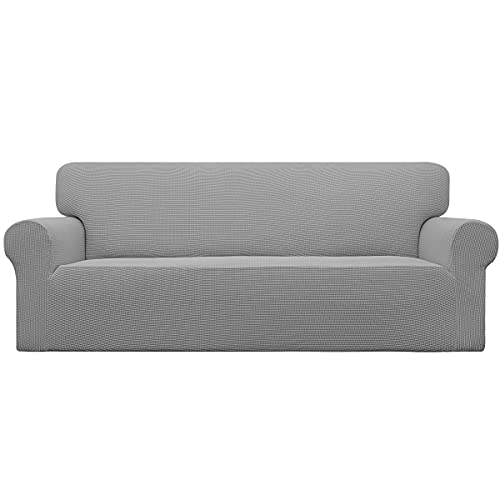
Begin with a paper towel or a dull knife to gently scrape away any excess remnants from the surface. Avoid harsh movements that could further embed the material into the fibers.
Next, utilize a warm iron paired with a cloth or brown paper bag. Position the cloth over the residue and apply the iron on a low setting. The heat will cause the remnants to melt slightly, allowing them to bond with the cloth, which can then be lifted away.


To tackle any lingering stains, create a mixture of warm water and mild detergent. Dampen a clean cloth in the solution and gently blot the area, ensuring not to saturate the fabric. This step will aid in breaking down any remaining residue.
Finally, it’s wise to let the area air dry completely before assessing whether further treatment is necessary. Regular maintenance and prompt action after spills can significantly reduce the chances of permanent marks on your upholstery.
Identifying the Type of Fabric for Safe Cleaning
First, examine the fabric content label. This label provides critical information about the composition, which guides which cleaning methods to employ. Fabrics like cotton and polyester are generally more forgiving, whereas silk and velvet require gentler approaches.
Next, test for fastness. Choose an inconspicuous area and apply a small amount of your chosen cleaning solution. Check for any discoloration or texture change after a few minutes. If there’s no reaction, it’s likely safe to proceed on a larger area.
Pay attention to the texture–smooth surfaces like microfiber can handle heat better than coarse textures, such as tweed. Gauge the durability; robust fabrics tolerate more aggressive methods compared to delicate ones.
Additionally, consider the finish of the material. Coated or treated fabrics might react differently than untreated ones, often requiring specific products that won’t strip the finish. Always choose a cleaning tactic that aligns with the protective features of the fabric.
Tools needed for removing residue from fabric
A few key instruments make the removal process simpler and more efficient. First, I recommend using an iron with adjustable heat settings. It allows for precise control, which is crucial to avoid damaging delicate materials.
Next, a clean brown paper bag or several layers of paper towels serve as the absorbent medium while lifting the remnants without transferring stains. Additionally, a spatula or plastic scraper is helpful for gently lifting off hardened remnants before applying heat.
Having a clean, soft cloth on hand aids in blotting and wiping down the area after extraction. Lastly, a fabric-safe cleaning solution might be necessary for any leftover marks, ensuring complete cleanliness without harming the texture.
Step-by-step process for softening the residue
Heat a clean iron to a low setting, ensuring it is not too hot to avoid damaging the fibers.
Place a piece of brown paper bag or a clean cloth over the affected area where the remnant is located.
Hold the iron above the cloth, allowing the heat to penetrate without direct contact, for about 5-10 seconds.
Check the area frequently to monitor the residue melting into the paper or cloth. Replace the paper as it absorbs the softened material.
Repeat this process until no additional material transfers onto the paper, ensuring careful monitoring to prevent any damage to the underlying fabric.
Once completed, allow the area to cool before gently blotting with a clean, damp cloth to remove any remaining traces.
| Step | Action |
|---|---|
| 1 | Heat the iron to a low temperature. |
| 2 | Place a brown paper bag or clean cloth over the waxed area. |
| 3 | Hold the iron above the cloth for 5-10 seconds. |
| 4 | Check frequently and replace the paper as needed. |
| 5 | Continue until there is no transfer onto the paper. |
| 6 | Allow to cool and blot with a damp cloth. |
Using Heat Methods to Lift Residue from Fabric
Applying heat is one of the most effective techniques I’ve found for removing stubborn remnants from textiles. Here’s how I approach it:
Materials Required
- Iron
- Brown paper bags or clean cloths
- Ironing board or a flat, heat-resistant surface
Procedure
- Preheat the iron to a low setting, ensuring no steam is used.
- Place a brown paper bag or a clean cloth directly over the set stain.
- Firmly press the iron onto the paper bag or cloth for a few seconds, allowing the heat to soften the substance.
- Lift the iron and check the transfer; if needed, repeat the process in short intervals until the area is clean.
- Once finished, clean the fabric with a damp cloth to remove any residual oils.
This technique allows for precise application of heat without damaging the surrounding material. Always ensure the iron is not too hot to avoid scorching.
Removing Residue After Initial Cleaning
After the first cleaning procedure, a layer of residue may still linger on the surface. To thoroughly eliminate this, I recommend following these steps:
- Gather the necessary supplies: a dull knife or credit card, absorbent paper towels, and a gentle cleaning solution suitable for the material.
- Gently scrape the hardened remnants, ensuring you don’t damage the fibers. Hold the blade at a shallow angle to avoid abrasion.
- Blot the remaining residue with paper towels, pressing lightly to absorb any oils or colorants released during the scraping.
- Prepare a mixture of mild soap and warm water. Dampen a clean cloth with the solution, wringing it out to avoid excessive moisture.
- Gently dab the stained area, working from the outside towards the center to prevent spreading.
- Rinse the area with a cloth dampened in fresh water to remove any soap. Blot with a dry towel to remove moisture.
If traces persist, repeating the process or using a specialized fabric cleaner may be necessary. Always test any cleaner on a hidden area first to ensure compatibility.
Preventing Future Wax Accidents on Furniture
Choose candle holders designed to catch drippings. Opt for wide bases that offer stability and prevent tipping, especially in high-traffic areas.
Keep candles away from edges, shelves, and places prone to movement. Position them on dedicated surfaces that minimize contact with other items.
Utilize Protective Covers
Invest in slipcovers or couch protectors that can be easily washed. This barrier safeguards the fabric from unforeseen spills or drips.
Educate Household Members
Communicate with everyone in the home about safe candle practices. Encourage routine checks while burning candles to monitor their condition and appearance.
FAQ:
What is the best method to remove candle wax from cloth furniture?
The best method to remove candle wax from cloth furniture involves a few simple steps. First, let the wax harden by cooling it down, then gently scrape off the excess wax with a dull knife or credit card. Next, place a brown paper bag or clean cloth over the wax stain and apply heat using an iron on a low setting. The heat will melt the wax, which will be absorbed into the paper or cloth. Finally, you may need to clean the area with a fabric-safe cleaner to remove any residual stains.
Can I use ice to remove candle wax from my couch?
Yes, using ice is an effective way to remove candle wax from your couch. Simply place ice cubes in a plastic bag and apply it directly on the wax to harden it. Once the wax is firm, use a dull knife or your fingers to gently break it off and pull away. Be careful to avoid damaging the fabric while doing this. Afterward, you can follow up with the heat method if there’s any remaining residue.
What should I do if the wax has color and leaves a stain?
If the candle wax is colored and has left a stain on your cloth furniture, you can still follow the scraping and heating process described above. However, to deal with the stain, you’ll likely need to use a fabric cleaner. Test any cleaning product on an inconspicuous area of the fabric first to ensure it won’t cause discoloration. After applying the cleaner, blot the affected area with a clean cloth until the stain lifts away.
Is it safe to use a hairdryer to remove wax from furniture?
Yes, a hairdryer can be used to remove wax from furniture, but caution is needed. Use the low heat setting and hold the dryer at a distance to avoid damaging the fabric. As the wax softens, place a paper towel or cloth over the affected area to absorb it. Make sure to move the hairdryer around to prevent overheating one spot, which could cause harm to your furniture.
Can I wash the fabric after removing the wax?
Yes, you can wash the fabric after removing the wax, but it’s best to wait for the area to dry completely first. After you’ve successfully removed the wax, check the manufacturer’s care label for washing instructions. If the fabric is machine washable, you can wash it normally. For non-washable fabrics, consider spot cleaning or using a professional cleaning service to avoid damage.
What is the best way to remove candle wax from my cloth furniture?
To effectively remove candle wax from cloth furniture, you can follow these steps: First, let the wax harden completely. Avoid trying to wipe away the wax while it’s still warm, as this can spread it further into the fabric. Once the wax is solidified, gently scrape off as much as you can using a blunt knife or a credit card. Next, place a brown paper bag or a clean cloth over the remaining wax. Using a warm iron, press onto the bag or cloth for a few seconds. The heat will cause the wax to melt and transfer onto the paper or cloth. Repeat this process until no more wax is left. Finally, clean the area with fabric cleaner to remove any residue and restore the fabric’s appearance.
Are there any home remedies for getting candle wax out of fabric upholstery?
Yes, there are several home remedies you can use to remove candle wax from fabric upholstery. One popular method involves using an iron, as mentioned earlier, but you can also try using freezing techniques. To do this, place ice cubes in a plastic bag and apply it to the wax until it hardens again. Once the wax is solid, gently scrape it off with a blunt object. After that, you can use a mixture of vinegar and water to clean the stained area. Simply apply the solution and blot it with a clean cloth. This will help eliminate any leftover wax residue and can also remove any discoloration caused by the dye in the candle. Always test these methods on a hidden area of the fabric first to avoid any damage.


