
 Caleb Turner

To restore the beauty of your light-colored IKEA pieces, I recommend using a simple mixture of baking soda and water. Create a paste by combining two parts baking soda with one part water. Apply the paste gently with a soft cloth, ensuring you rub in the direction of the grain. This method can significantly reduce the visibility of those unwanted marks.
If the blemish persists, consider utilizing a furniture polish specifically designed for light shades. Choose a polish that contains natural oils; this can help rejuvenate the finish while offering protection. Apply a small amount to a microfiber cloth, then buff the area gently, enhancing both the color and luster of the surface.


For deeper imperfections, a white crayon or touch-up pen can be effective. Match the color as closely as possible to your item’s shade. Carefully fill in the area, then smooth it with a soft cloth. Always remember to test any product on a less visible area first to ensure compatibility with the surface material.
Repairing Nicks on Light-Colored Cabinets
I recommend utilizing a wood filler pencil that matches the shade of your cabinetry. Simply apply the pencil directly over the damaged area, filling in the imperfection. Wipe away excess with a soft cloth, ensuring a smooth finish. This method often enhances the appearance without significant effort.
Alternative Solutions for Deeper Marks
If the damage is deeper, combining a touch-up marker and clear wax can work wonders. First, color in the affected area meticulously with the marker, following with a light application of wax to restore shine. This technique not only conceals but also helps protect the surface from future wear.
For Surface Level Discolorations
A paste of baking soda and water can effectively address light discolorations. Mix until it reaches a thick consistency, apply gently to the impacted area, and use a soft cloth to buff it out. This approach revitalizes the surface, giving it a fresh look.
Assessing the Depth and Type of Damage
Begin with a visual inspection. Identify whether the imperfection is superficial or has penetrated deeper into the material. For light marks that only affect the surface, a gentle cleaning may suffice. If the discoloration reveals a deeper gouge, additional attention will be necessary.
Next, classify the type. Is it a linear line, a circular mark, or perhaps a surface blemish? Each type can require a different approach. For instance, linear abrasions may be treated differently compared to dings that have caused chipping.
Use your fingernail to gauge the depth. If it catches on the imperfection, it’s more pronounced and might require sanding or filling. If your nail glides over the area, it’s likely superficial and can be addressed with mild abrasives or specific touch-up pens designed for the sheen of the surface.
Finally, consider the finish. Is it glossy, matte, or somewhere in between? The restoration method may vary depending on the texture and shine. Knowing the finish helps in selecting appropriate products for repair. Proper assessment streamlines the correction process, saving time and resources.
Choosing the Right Repair Method for Your Scratches
To address imperfections on surfaces, I evaluate the options based on the nature and condition of the damage. Selecting the most suitable approach can make a significant difference in restoration quality.
| Type of Damage | Recommended Repair Method | Materials Needed |
|---|---|---|
| Light Surface Markings | Use a magic eraser or mild abrasive cleaner. | Magic eraser, cleaning solution. |
| Moderate Indentations | Apply wax or touch-up markers designed for furniture. | Wax stick or touch-up marker, clean cloth. |
| Deep Grooves | Fill with wood filler or epoxy, sand, then repaint if necessary. | Wood filler, sandpaper, paint. |
For superficial blemishes, simpler methods like using a damp cloth with a gentle cleanser work well. For deeper imperfections, I consider more extensive repair techniques that involve filling and refinishing, ensuring the end result blends seamlessly.
It’s crucial to match the repair method with the specific characteristics of the surface and the level of damage to achieve the best results. By carefully assessing each situation, I can effectively restore the appearance of my items.
Using a White Wax Crayon for Minor Imperfections
A white wax crayon can be an excellent tool for addressing light blemishes. Choose a crayon that closely matches the tone of your surface. Begin by cleaning the area to ensure no dust or debris interferes with the process.
After the area is prepped, gently rub the crayon over the imperfection, applying just enough pressure to fill the gap. Use a back-and-forth motion, and avoid over-filling to maintain a smooth finish. Once the area is sufficiently covered, take a soft cloth and buff the surface lightly to blend the wax with the surrounding material.
Final Touches
If necessary, repeat the process for deeper areas until you achieve a consistent look. For added durability, a clear furniture polish over the repaired spot can help protect your work. This technique is quick and simple, making it a perfect option for minor marks.
Tip: Keep a wax crayon handy for any future minor imperfections you might encounter.
Applying touch-up paint for deeper imperfections
For more pronounced blemishes, I reach for a touch-up paint kit specifically formulated for the surface type. Follow these steps for optimal results:
- Select the right shade: Match the paint color precisely to your item. Check the product details for color codes that correspond to your piece.
- Prepare the area: Clean the surface with a mild cleaner and let it dry completely to ensure proper adhesion.
- Shake the paint well: Before application, shake the touch-up paint thoroughly to ensure uniform consistency.
- Use a fine brush: I prefer a small artist brush or an applicator that allows for precision. Apply thin layers directly to the damaged area.
- Build up layers: If the initial application doesn’t completely cover the imperfection, wait for it to dry, then apply additional coats. This approach helps achieve an even finish.
- Blend the edges: Use a clean brush or a cloth to gently feather the edges of the newly painted area into the surrounding surface for a seamless appearance.
- Allow to cure: After final application, let the paint cure as per the manufacturer’s instructions to ensure durability.
Final touches
If needed, lightly sand the area between coats with fine-grit sandpaper to smooth out any irregularities. Once satisfied with the coverage, seal the area with a clear topcoat to enhance protection and match the sheen of the original finish.
Using Wood Filler for Large or Deep Damages
For significant damages on surfaces, wood filler is an ideal solution. I begin by selecting a high-quality wood filler that matches the color of my item closely. Before application, I ensure the area is clean and dry. Using a putty knife, I carefully apply the filler, pressing it firmly into the damaged area to avoid air bubbles.
Once the filler is in place, I smooth it out with the knife to create an even surface that aligns with the surrounding material. I let it cure according to the manufacturer’s instructions, typically several hours or overnight.
Sanding and Finishing
After the filler is completely dry, I sand it down gently with fine-grit sandpaper until it is flush with the original surface. This step is crucial for achieving a seamless finish. If needed, I repeat the application of the filler for larger imperfections and sand again.
To finalize, I apply a matching paint or topcoat over the repaired area. If I need to be more precise, I use a small brush for better control. This not only conceals the repair but also protects the area from future wear and tear.
Sanding and Refinishing Scratched Surfaces
I recommend using fine-grit sandpaper, specifically 220-grit, for light scratches. Gently sand the affected area along the grain until the surface is smooth. For deeper imperfections, start with a coarser grit, such as 120-grit, to remove more material, then transition to the finer grit.
Ensure the surface is clean and dust-free before starting. After sanding, wipe it with a damp cloth to remove dust particles, allowing proper adhesion for the next steps. If you see any color discrepancies, consider applying a primer that matches the finish.
Refinishing
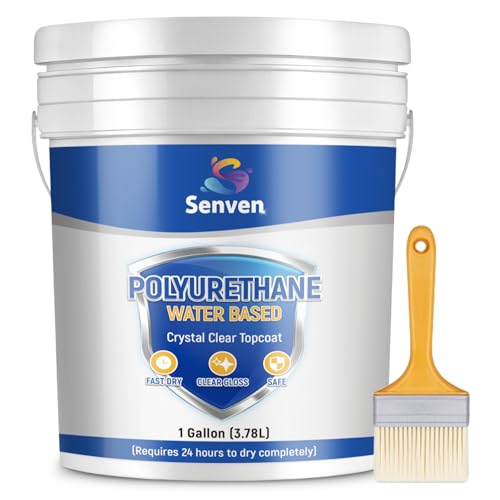
Once sanding is complete, I suggest using a water-based polyurethane or an appropriate finish to restore shine. Apply thin, even coats using a foam brush, ensuring you let each coat dry fully before adding the next. This will help achieve a uniform finish that blends seamlessly with the original surface.
Final Touches
After the final coat has dried, inspect the surface for any inconsistencies. Lightly buff with a soft cloth to add luster and help integrate the repaired area with the surrounding parts.
Preventing Future Damage on Light-Colored Surfaces
Utilize felt pads under items such as vases and lamps to minimize direct contact with the surface. These pads reduce friction and absorb impact, significantly lowering the risk of marks.
Position coasters or placemats beneath items that may scratch or stain. It’s especially useful for drinks or decorative items that can easily tip over, causing distress to the finish.
Regularly apply a protective sealant or polish designed for light finishes. This not only enhances the appearance but also creates a barrier against potential abrasions and common cleaning chemicals.
Rearrange accessories and furniture to avoid areas of concentrated wear. This simple adjustment can distribute usage evenly across the surface, protecting vulnerable spots.
Regular Maintenance Practices
Keep a microfiber cloth on hand for quick dusting. Dust accumulation can lead to fine particles scratching the finish when moved. Frequent cleaning prevents buildup.
Avoid placing heavy objects without consideration. The weight can leave marks, especially on lighter surfaces, so it’s wise to assess weight limits before arranging decor.
Implementing Caution During Cleaning
Choose gentle cleaners without harsh chemicals that could harm the finish. Soft cloths for wiping will minimize risks of marring the texture during routine maintenance.
Be mindful of external factors, like pets or children. Establishing boundaries can mitigate accidental damage. Consider using protective covers or mats in areas prone to activity.
Maintaining the finish of your IKEA furniture
Regular cleaning is key to preserving the sheen of your items. I suggest using a soft, damp microfiber cloth to wipe surfaces weekly. This helps to remove dust and prevent the buildup of grime.
- For routine care, a gentle pH-balanced cleaner can be applied. Avoid harsh chemical solutions, as they can damage the finish over time.
- Use coasters and placemats to shield surfaces from heat, moisture, and scratches. It’s helpful to establish designated areas for items that might cause damage.
- Monthly inspections can help catch any minor issues early. Look for signs of wear, and address them promptly to prevent more extensive damage.
Consider using a furniture polish specifically designed for your chosen material to enhance and protect the surface. This can create a barrier against minor wear and tear.
- Apply polish lightly with a cloth, following the grain of the material.
- Buff with a clean, dry cloth to achieve a nice shine without leaving residues.
Be aware of the environment where your pieces are located. Excessive sunlight can fade finishes. If possible, rearrange any items that receive direct sunlight. Using curtains or blinds can also help mitigate exposure.
Finally, always handle items with care. Lifting rather than dragging heavy objects will significantly reduce the risk of unintentional damage. By following these proactive measures, I ensure that my belongings remain in excellent condition for years to come.
When to Consider Professional Repair Services
If the damage to your piece is extensive or involves deep gouges that are beyond basic touch-ups, I recommend seeking a professional. Skilled technicians can assess the condition accurately and provide remedies that maintain the integrity and aesthetics of the item.
Signs Indicating Need for Expert Help
Consider calling a service if you notice significant damage affecting structural stability or if multiple areas require attention. In cases where refinishing techniques might alter the color or texture unpredictably, an expert’s guidance can ensure a seamless restoration.
The Value of Expertise
Opting for professional assistance may seem costly, but the assurance of high-quality results can save time and prevent further complications. Moreover, professionals often utilize advanced tools and materials that yield superior outcomes, ensuring your piece looks its best once again.
FAQ:
What are some easy methods to fix scratches on white IKEA furniture?
You can try several simple methods to repair scratches on white IKEA furniture. One common approach is using a white crayon or furniture marker that matches the color of your furniture. Simply fill in the scratch and wipe off any excess. Another option is to blend the scratch with a paste made from baking soda and water. Apply the paste, let it dry, and gently buff it with a soft cloth. If the scratch is deeper, consider using touch-up paint specifically designed for furniture. Always test any method in an inconspicuous area first to ensure it works well on your piece.
Can I use household items to fix scratches on my IKEA furniture?
Yes, several household items can be effective for fixing scratches on white IKEA furniture. For light scratches, a mixture of olive oil and vinegar can be used. Dampen a cloth with the mixture and gently rub it on the scratched area. Another common method involves using a walnut; simply rub the meat of the walnut over the scratch to fill it in. These solutions are not only cost-effective but also safe for most finishes.
How can I prevent future scratches on my white IKEA cabinets?
To prevent future scratches on your white IKEA cabinets, consider adding protective felt pads under any objects that could potentially scratch the surface. Regularly cleaning the furniture with a soft, lint-free cloth also helps to minimize dirt accumulation that can lead to scratches. Additionally, being cautious when placing items on the cabinets and using coasters for heavy or sharp objects can significantly reduce the risk of damage.
What should I avoid when trying to repair scratches on IKEA furniture?
There are several things to avoid when repairing scratches on IKEA furniture. First, refrain from using products containing harsh chemicals, as they can strip the finish. Avoid excessive scrubbing, which may exacerbate the scratch. It’s also important not to use markers or paints that are not color-matched, as they can create more noticeable contrast. Lastly, skipping the test on an inconspicuous area before applying any solution can lead to unexpected results.
Are there professional services available for fixing scratches on IKEA furniture?
Yes, there are professional furniture repair services that specialize in fixing scratches and other damage on various types of furniture, including IKEA products. These services can offer more advanced techniques and tools that may be more effective than DIY methods. If the scratches are extensive or the furniture is valuable, it might be worth seeking a professional to ensure the best results. Always inquire about their experience with IKEA furniture specifically to ensure quality work.
What are some effective methods to repair scratches on white IKEA furniture?
To repair scratches on white IKEA furniture, you can use several methods depending on the severity of the scratches. For minor scratches, a white crayon or furniture touch-up marker that matches the color of the furniture can be applied directly to the scratch. After applying, gently buff the area with a soft cloth to blend it in. For deeper scratches, consider using a wood filler or putty that is paintable. Apply the filler into the scratch, let it dry, and then sand it smooth before repainting the area to match the surrounding finish. Lastly, applying a clear coat can help protect the repair and make it less noticeable.
Is there any DIY solution for fixing larger scratches on white IKEA surfaces?
For larger scratches on white IKEA furniture, a DIY approach can involve several steps. First, clean the area thoroughly with a mild detergent and water to remove any dirt and grease. Next, you can use a wood filler or wax crayon specifically designed for furniture repair, applying it generously to fill the scratch, and then sanding it down to match the surface. Once smooth, you might want to use a latex paint that matches the furniture color for touch-ups. After the paint has dried, applying a clear sealant will not only protect the surface but also provide a uniform shine that blends with the rest of the furniture.


