
 Caleb Turner
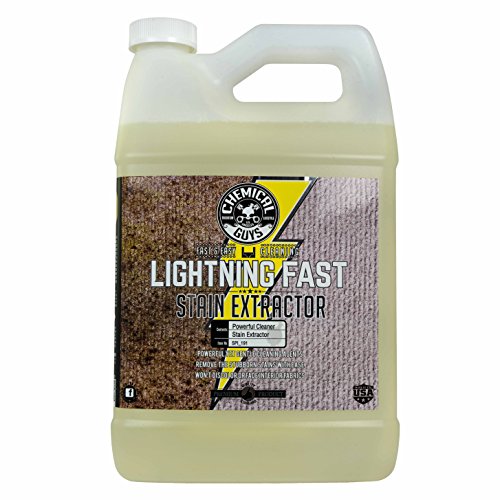
I recommend addressing minor scratches and scuffs on your synthetic upholstery with a specialized repair kit. These kits often include color-matched fillers and application tools to seamlessly blend repairs with the existing surface.
For deeper imperfections, gently clean the area with a damp cloth and a mild soap solution. After it dries, apply a conditioner to rejuvenate the material. This can enhance its shine and extend longevity.
If stains become problematic, a mixture of vinegar and baking soda can be effective. Apply it, let it sit for a few minutes, and then wipe away with a soft cloth, taking care not to oversaturate the fabric.
To maintain the upholstery’s appearance, regularly dust and vacuum. Consider using a dedicated cleaner for synthetic materials, which can help to protect against wear and tear while ensuring a fresh look.
Repairing Synthetic Upholstery
For minor scratches, I apply a specialized repair kit that contains color-matched adhesive and a leather filler. After cleaning the area, I carefully fill the scratch with the filler, ensuring it’s slightly raised above the surface. Once it dries, I gently sand it down to match the texture.


In instances of deeper cuts, I use a backing fabric behind the tear. I cut a piece of fabric slightly larger than the tear and apply a strong adhesive to hold it in place. Then, I fill the tear with a patch material, ensuring it blends seamlessly with the surrounding surface.
For stubborn stains, I create a mixture of mild soap and water. I dampen a cloth with the solution and gently rub the stained area, rinsing the cloth frequently. For tougher blemishes, I may utilize a designated vinyl cleaner, applying it as per the manufacturer’s instructions to avoid damage.
To maintain flexibility and shine, I regularly use a conditioner designed specifically for synthetic materials. After cleaning the surface, I apply a thin layer of conditioner, allowing it to soak in for enhanced longevity. This prevents cracks and keeps the appearance fresh.
In cases where fading occurs, I select a color restoration product that matches the original hue. I apply this in even strokes, allowing it to settle before buffing gently with a soft cloth for a uniform finish.
When addressing punctures, a strong adhesive works well. I carefully press the edges together and apply the adhesive beneath the surface. After it sets, I blend the area with a color-matched patch if needed, ensuring a cohesive look.
Identifying Common Problems with Vinyl Leather
Recognizing issues is the first step to maintaining your synthetic upholstery. Pay attention to the following signs:
- Peeling: Often arises from wear and tear. Look for small areas where the top layer separates from the backing.
- Cracking: Notice fine lines or visible breaks, usually due to prolonged exposure to sunlight or extreme temperatures.
- Discoloration: Faded patches can indicate damage from UV rays or cleaning products. Inspect for uneven color across surfaces.
- Stains: Oil, food, or ink can create difficult spots. Check for any dark or discolored areas that resist cleaning efforts.
- Texture Changes: Area losing smoothness may indicate wear. Run your fingers across the surface to feel for rough patches or a sticky residue.
Regular checks can help catch these issues early. Immediate attention often prevents further deterioration.
Gathering Necessary Repair Materials
Begin by collecting the following items for a successful restoration process:
Surface Preparation Tools
- Soft cloth or sponge for cleaning
- Leather cleaner or mild soap solution
- Scissors for trimming frayed edges
- Sandpaper or abrasive pad for smoothing rough areas
Repair Supplies
- Adhesive specifically designed for synthetic materials
- Seam sealant for preventing future damage
- Patch kit including adhesive patches or vinyl fabric pieces
- Color matching dye or markers for finishing touches
Ensure the workspace is well-ventilated and free of dust to facilitate an effective application process. Having everything organized will significantly streamline the repair efforts, allowing for a focused and efficient approach to restoring the appearance of your upholstery.
Cleaning the Vinyl Surface Before Repair
Begin with a thorough cleaning of the damaged area. Utilize a soft cloth or sponge along with a mild soap solution. Mix a few drops of dish soap in warm water. Dampen the cloth with the solution and gently wipe the surface, removing dirt and grime. Rinse the cloth in clean water and wipe again to eliminate any soap residue.
For stubborn stains, create a mixture of equal parts water and white vinegar. Apply it directly to the stain using a cloth and let it sit for a few minutes before wiping away. Always test this solution on a hidden section first to ensure it won’t discolor the material.
Drying the Surface
After cleaning, let the area air dry completely. Avoid using heat sources like hair dryers, as rapid drying can cause damage. Ensure the surface is cool and dry before proceeding with repairs.
Final Inspection
Once dry, conduct a visual inspection of the area. Look for any remaining dirt or oils that may interfere with the adhesion of repair materials. If needed, repeat the cleaning process to guarantee the surface is immaculate.
Repairing Scratches and Scuffs on Vinyl Upholstery
To address minor scratches and scuffs, I utilize a few straightforward steps. For superficial marks, I start by applying a little vegetable oil or baby oil directly onto the scratched area. Using a soft cloth, I gently rub the oil into the scratch, effectively minimizing its appearance.
Using a Vinyl Repair Kit
For deeper scratches, a vinyl repair kit often provides the best outcome. I choose a color that closely matches the upholstery. After cleaning the area, I follow the kit’s instructions to apply the repair compound. Typically, after applying the compound, I let it cure as directed. Once dry, I use fine sandpaper to blend it seamlessly with the surrounding area.
Finishing Touches
After repairs, I maintain the repaired section by applying a vinyl conditioner. This not only restores the original sheen but also offers added protection against future damage. Regular upkeep helps prolong the life of the upholstery, keeping it looking fresh and intact.
Filling Cracks and Tears in Vinyl Material
For repairing cracks and tears in synthetic materials, I recommend employing a specialized vinyl repair kit that includes filler compound, adhesive, and color matching options. Begin by thoroughly cleaning the damaged area to remove any dirt or oils that could hinder adhesion.
After cleaning, assess the size of the damage. For minor cracks, squeeze a suitable filler into the crevice, smoothing it with a spatula or a similar tool. If the tear is large, use the adhesive to bond the edges first before applying the filler to create a seamless look.
Color Matching
Utilize the color matching feature in the repair kit or mix pigments to achieve an accurate shade. Apply the color to the filled area with a small brush, ensuring it blends well with the surrounding surface. This step is crucial for a cohesive appearance.
Finishing Touches
Once the filler has cured as per the manufacturer’s instructions, gently sand the area to ensure it is level with the surrounding material. Finally, consider applying a protective coating to enhance durability and restore shine, offering a polished finish.
Maintaining and Protecting Repaired Vinyl Upholstery
To prolong the life of your restored seating, regular cleaning is key. I recommend using a soft cloth or sponge with a mild soap solution, followed by a rinse with clean water. Avoid harsh chemicals, as they can compromise the finish.
Applying a protective treatment can significantly enhance durability. Look for products specifically designed for synthetic materials, which create a barrier against stains and wear. Follow the manufacturer’s instructions for application.
Temperature and humidity control play an important role in upkeep. Keep the seating away from direct sunlight and excessive moisture to prevent fading and deterioration. Use window coverings to minimize UV exposure.
Inspecting the repaired areas periodically is wise. Look for signs of wear or new damage. If any issues arise, address them promptly to prevent further deterioration.
| Maintenance Task | Frequency |
|---|---|
| Clean with mild soap | Monthly |
| Apply protective treatment | Every 6 months |
| Inspect for damage | Every 3 months |
For additional protection, consider using throw covers or decorative throws. These not only add to the aesthetic but also shield against everyday wear and tear.
Remember, proper care and protection techniques significantly contribute to the longevity of your furnishings, ensuring they remain attractive and functional for years to come.


