Caleb Turner
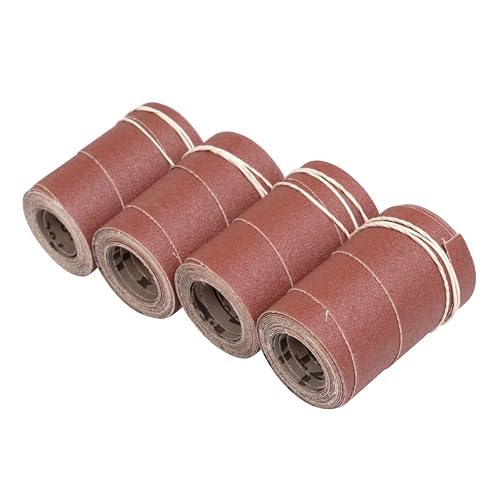
Begin with a well-organized workspace. Gather your tools: fine-grit paper, a block sander, and a clean cloth. Remove any hardware from the surface to ensure smooth handling. This step enhances precision when addressing the corners and edges.
Once the area is prepared, focus on creating a uniform texture. Employ gentle, even strokes to eliminate imperfections and old finishes. Be meticulous around carvings or intricate details that may require more effort. Keeping the surface clean and dust-free will lead to better adhesion later.
Next, after ensuring the surface is entirely smooth, choose a quality primer specific for your selected coating. Apply it evenly, allowing adequate drying time as instructed on the manufacturer’s guidelines. This foundational layer enhances durability and ensures a flawless end result.

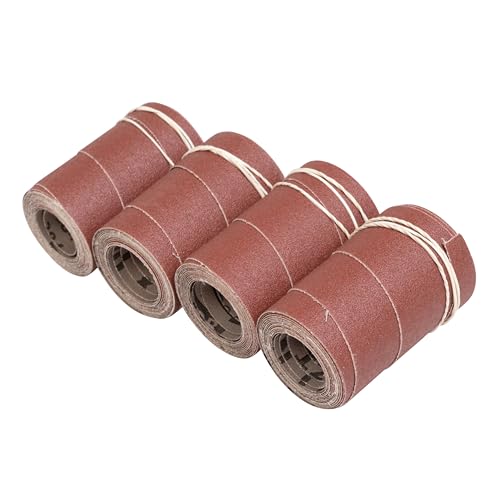


The final coat should reflect your personal style. Explore various shades and finishes that complement your existing décor. Applying multiple thin layers rather than one thick coat prevents drips and uneven surfaces, leading to an attractive, professional transformation.
Refinishing Techniques for Wooden Items
Begin with the right materials: high-grit sandpaper, a quality primer, and suitable topcoat. For initial surface smoothing, I often use 120-grit paper, followed by a finer 220-grit for achieving a silky finish.
Thoroughly clean the piece to remove dust and grease prior to starting. This ensures better adhesion of subsequent layers. Use a damp cloth for this purpose, ensuring nothing remains on the surface.
Apply primer uniformly in thin layers. This step not only helps to create an even base but also enhances the topcoat’s adherence and durability. I recommend letting the primer dry completely as per the manufacturer’s instructions before proceeding.
For the final touch, choose a high-quality finish. Water-based options dry faster, while oil-based ones typically provide a richer look. Apply it with a foam brush for minimal streaking and a smooth application. Thin, even coats will yield the best results.
Between coats, utilize fine sandpaper again to promote bonding and a flawless appearance. Allow adequate drying time between applications; patience will pay off with a more professional look.
Finish by inspecting the piece for any imperfections. If needed, a quick touch-up on uneven spots can make a significant difference. A final wax or sealant can also add an extra layer of protection and enhance the visual appeal.
Choosing the Right Sandpaper Grit for Your Project
Begin with a coarser grit, such as 60 or 80, for removing old finishes and shaping surfaces. This step efficiently eliminates imperfections or rough patches, setting a solid foundation for the subsequent stages.
Transition to medium grits, like 120 or 150, to smooth out the surface after the initial work. This step helps eliminate scratches from the coarser paper and prepares the piece for finishing.
Conclude with fine grits, typically 220 or higher, to achieve a silky-smooth texture for painting or staining. This final touch enhances the adhesion of finishes, ensuring a polished appearance.
Grit Guide
| Grit Level | Purpose |
|---|---|
| 60-80 | Remove old finishes, shape surfaces |
| 120-150 | Smooth out surfaces, eliminate scratches |
| 220+ | Prepare for finishing, achieve a smooth texture |
Preparing Your Workspace for Furniture Refinishing
I recommend clearing a spacious area, ensuring ample room for movement and ventilation. This prevents accidents and maintains air quality during the project.
Cover the floor with a drop cloth or old newspaper to catch dust and splatters. It’s essential to protect the underlying surface, especially if working indoors.
I advise placing the item on a sturdy table or sawhorses at a comfortable height. This minimizes strain and enhances precision while executing detailed tasks.
Gather all necessary tools and materials beforehand. I find it helpful to arrange them in a designated area for easy access, which streamlines the process and avoids disruptions.
Consider using a vacuum cleaner or a wet cloth to eliminate any dust from the workspace. A clean environment not only promotes safety but also improves the final finish.
If working with paints or solvents, ensure adequate ventilation by opening windows or using a fan. Proper airflow reduces the buildup of fumes and creates a safer space.
Finally, wearing appropriate protective gear, such as masks, gloves, and goggles, is crucial. This protects against dust and harmful chemicals, emphasizing care during the refinishing process.
Steps to Properly Sand Wood Furniture
Begin with the appropriate protective gear, including a dust mask and safety glasses, to guard against fine particles during the process.
Proceed with these detailed actions:
- Choose the Right Grit: Start with coarse grit, such as 80 or 100, for major imperfections. Progress to finer grits, like 120 or 220, for a smooth finish.
- Examine the Surface: Inspect thoroughly for damage or roughness. Identify areas needing extra attention.
- Work with the Grain: Move the abrasive material in the direction of the grain to prevent scratches and achieve a refined look.
- Use Even Pressure: Maintain consistent pressure throughout to avoid uneven surfaces. Let the tool do the work instead of forcing it.
- Check for Smoothness: Regularly feel the surface for smoothness. Stop when it’s even and free of blemishes.
- Clean the Area: After sanding, eliminate dust using a damp cloth. Ensure the surface is clean before applying any finish or paint.
By following these steps carefully, you can achieve a well-prepared surface ready for new colors and protective layers.
How to Remove Dust After Sanding
Use a vacuum cleaner equipped with a brush attachment to effectively eliminate dust particles from surfaces. Ensure the vacuum is suited for fine dust to avoid redistribution in the environment.
For stubborn residue, dampen a microfiber cloth slightly and wipe down the areas thoroughly. Make sure the cloth is not too wet to prevent water damage. This technique captures dust better than a dry cloth.
Afterward, follow up with a clean, dry cloth to pick up any lingering moisture and ensure a smooth surface for finishing. Always work in a well-ventilated space to assist in quicker drying.
Consider using tack cloths, as they are specifically designed to pick up fine dust effectively. These sticky cloths can be extremely useful just before applying any stain or sealant.
Regularly check your workspace for any dust that may have settled; it’s best to maintain cleanliness throughout the refinishing process for optimal results.
Selecting the Best Primer for Wood Furniture
Choosing a high-quality primer significantly enhances the final finish on your piece. For porous surfaces, I opt for a stain-blocking primer to prevent any bleed-through from knots or stains. Look for products specifically designed for use on cellulose-based materials when dealing with softer types like pine or fir.
If I’m working with previously painted or stained pieces, I lean towards an adhesion-promoting primer, ensuring that the new coat sticks effectively without issues. An acrylic latex primer is often my go-to; it dries quickly, allows for easy cleanup, and can be sanded down for a smoother topcoat application.
In cases where I want to achieve a specific finish, such as a glossy or satin look, I select a primer that complements the desired sheen of the topcoat. If moisture resistance is crucial, especially for items that may be exposed to humidity, I always check for waterproof formulations.
Before applying, I thoroughly read the product specifications and compatibility with the chosen top finish. It’s also wise to consider the drying time; some primers require longer curing periods before subsequent layers can be added, which can affect my overall project timeline.
Techniques for Applying Paint Evenly
For a smooth finish, I prefer using a high-quality synthetic brush, which allows for a more controlled application. When loading the brush, dip only the bristles into the paint to avoid excess dripping. Then, I gently tap the brush against the edge of the container to remove any surplus.
Painting Methodologies
I typically employ a ‘W’ motion while I apply the new layer, which helps disperse the coating evenly. This technique minimizes thick spots and creates a uniform appearance. After achieving coverage, I lightly feather the edges to blend them seamlessly with the previously painted areas.
<h3 leveraging Rollers and Sprayers
If I opt for rollers, I choose a medium nap for textured surfaces, ensuring adequate paint transfer. For larger projects or intricate patterns, a sprayer can save considerable time. I maintain a consistent distance from the surface, and apply thin coats, allowing for proper drying between applications.
Always inspect for drips or pulls after finishing a section; it’s important to smooth these out promptly with a clean brush before the paint sets. Patience with multiple, thin coats leads to a more professional appearance than one heavy application.
Choosing the Right Type of Paint for Wood Furniture
I recommend selecting acrylic or latex options for a user-friendly experience. These types have low volatile organic compounds (VOCs), minimizing harmful emissions. They dry quickly and can be cleaned with water, making them convenient for indoor use.
If durability is a top priority, consider alkyd or oil-based solutions. Though they take longer to dry, they offer a hard finish that withstands wear and tear. Be aware that these require solvents for cleanup and have higher VOC content.
For a vintage or distressed look, chalk paint is an excellent choice. It adheres well to surfaces without extensive preparation and provides a matte finish that can be easily distressed for character. Apply a clear sealant afterward to protect the finish.
If a glossy, modern appeal is desired, opt for high-gloss or semi-gloss formulations. These not only enhance the aesthetic but also create a hard surface that is resistant to moisture and staining.
Before committing, test samples on a small area to see how the finish interacts with the existing surface. This helps avoid surprises and ensures a pleasing end result.
Finishing Touches: Adding a Protective Coat
After applying the last layer of color, I ensure my masterpiece lasts by adding a protective finish. This step is crucial for enhancing durability and preventing damage.
Here’s how I approach this final layer:
- Select the Right Product: I choose between polyurethane, varnish, or lacquer based on the desired sheen and application area. Polyurethane offers excellent durability, while lacquer dries quickly.
- Prepare the Surface: Before applying the protective coat, I lightly sand the finished surface with fine-grit paper. This creates a smooth texture for better adhesion.
- Clean Thoroughly: Dust and debris can compromise the coat. I wipe the surface with a damp cloth or use a tack cloth to ensure it’s spotless.
- Application Technique: Using a high-quality brush or sponge applicator, I apply the finish in thin, even coats. It’s important to follow the grain of the material for a flawless look.
- Drying Time: I allow the first coat to dry completely as per the product instructions. Patience is key; a rushed process can lead to a flawed finish.
- Sand Between Coats: For optimal results, I sand lightly between each layer with fine grit, ensuring a smooth finish every time.
- Final Coat: After the last coat is applied, I let it cure for the recommended time to achieve maximum durability.
Following these steps guarantees a protective layer that not only enhances the aesthetic appeal but also prolongs the life of the piece.
Cleaning Tools and Maintaining Equipment After Use
After completing your restoration project, thorough cleaning of your tools is vital. First, use a brush to remove paint debris from brushes and rollers. Rinse them under warm water to eliminate any remaining residue. For solvent-based paints, a suitable solvent like mineral spirits is necessary; soak the brushes and rollers to dissolve the paint effectively.
Next, wipe down sprayers and other equipment with a clean cloth. Ensure that all parts are free from paint and properly dried. Store brushes horizontally or vertically in a way that does not distort their bristles. If using foam pads, keep them flat to prevent deformation.
Maintenance of Power Tools
For electric sanders and other powered devices, remove any dust accumulation from vents and filters after each use. Regularly inspect the cords and attachments for damage. Make sure to store these tools in a cool, dry area to prevent rust and deterioration.
Organizing for Future Use
Create a designated space for your cleaning supplies and tools. Keep substances like paint thinner, brush cleaners, and solvents securely stored in labeled containers away from children’s reach. A clean and organized workspace not only prolongs the life of your tools but also prepares you for your next project.
FAQ:
What tools do I need to sand down wood furniture?
To sand down wood furniture, you’ll need a few key tools: sandpaper in various grits (like 80, 120, and 220), a sanding block or electric sander for larger areas, a vacuum or brush for dust removal, and a damp cloth for a final wipe. If your furniture has intricate details, consider using sanding sponges or detail sanders to reach those spots effectively.
How do I choose the right paint for wood furniture?
Selecting the right paint for wood furniture involves considering the type of finish you want. Water-based paints are generally easier to clean up and dry faster, while oil-based paints might give you a more durable finish. Additionally, choose a paint that’s formulated for furniture or cabinets, as these varieties are usually more resistant to wear. Don’t forget to test the paint on a small, inconspicuous area first to check for adhesion and appearance.
Can I skip sanding if I want to paint over an existing finish?
It is not advisable to skip sanding before painting over an existing finish. Sanding helps to create a rough surface for the new paint to adhere to, which is crucial for a long-lasting finish. If the surface is smooth, the paint may peel or chip off over time. However, if you have a very glossy finish, you can use a deglosser as an alternative. Just make sure to clean the surface thoroughly afterwards.
What is the best technique for painting wood furniture?
The best technique for painting wood furniture usually involves applying multiple thin coats rather than one thick coat. Start by using a high-quality brush or roller for the first coat, making sure to apply it in even strokes. Allow the first coat to dry completely before lightly sanding it with fine-grit sandpaper to smooth out imperfections. After dusting off the surface, apply a second coat. Depending on your desired finish, you may need a third coat.
How do I properly prepare my wood furniture before painting?
Preparing wood furniture before painting is a crucial step that ensures good adhesion and a smooth finish. Begin by removing any hardware, such as knobs or handles. Next, wipe the furniture down with a gentle cleaner to remove dirt and grease. If the piece has an old finish, gently sand it down to remove any glossy surfaces. Fill any dents or holes with wood filler, and let it dry completely before sanding smooth. Finally, wipe the entire surface with a damp cloth to remove dust before painting.
What tools and materials do I need to sand down and paint wood furniture?
To sand down and paint wood furniture, you’ll typically need the following tools and materials: sandpaper in various grits (coarse for initial sanding and finer grits for smoothing), a sanding block or electric sander for efficiency, a vacuum or a damp cloth to remove dust created during sanding, primer to help the paint adhere better, and paint suitable for furniture—such as acrylic or chalk paint. Additionally, don’t forget brushes or rollers for applying paint, as well as painter’s tape to protect certain areas from paint splatter.
Can I paint over existing paint or stain on my wood furniture?
Yes, you can paint over existing paint or stain, but proper preparation is crucial for a good finish. If the surface is glossy, it’s advisable to sand it down lightly to create a rough texture for the new coat to adhere to. If the old finish is peeling or flaking, remove it entirely by sanding or using a paint stripper. After sanding, clean the surface to remove all dust and debris. Applying a coat of primer is also recommended, especially if you’re transitioning from a dark color to a lighter one, as it will help in achieving an even finish and enhancing the color of the topcoat.