
 Caleb Turner

To tackle those strong odors clinging to your beloved wooden items, I recommend a solution using vinegar and water. Mix equal parts of white vinegar and water in a spray bottle. Lightly mist the surfaces without saturating the wood. The acidic properties of vinegar work effectively to neutralize unwanted scents.
After applying the vinegar solution, allow the furniture to air dry completely. For added freshness, place a bowl of baking soda in a discreet corner of the room. Baking soda is renowned for its ability to absorb persistent odors, enhancing the overall purity of the space.
If the problem persists, consider polishing the surfaces with a mixture of olive oil and lemon juice. Combine three parts olive oil with one part lemon juice. Apply sparingly with a soft cloth, buffing gently. This not only helps to mask residual odors but also nourishes the wood, enhancing its natural beauty.

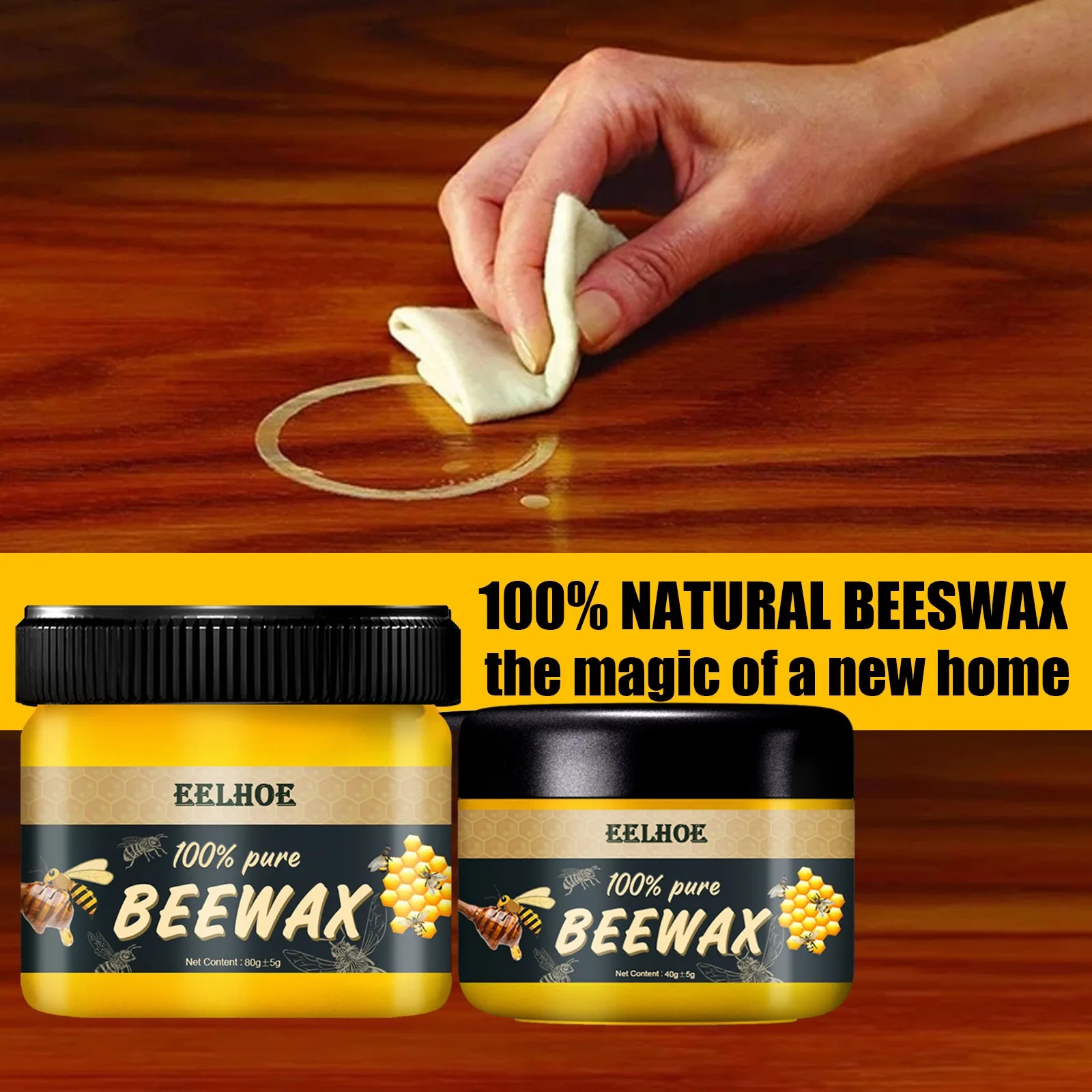

Eliminating Unpleasant Odor from Wooden Pieces
I found that baking soda is a powerful ally in tackling unwanted odors. I generously sprinkle it on the surfaces and inside drawers, leaving it overnight. The next day, I vacuum it up, and the results are impressive.
An alternative approach involves using white vinegar. I mix equal parts of vinegar and water in a spray bottle, lightly misting the affected areas. After allowing it to air dry for several hours, I notice a significant improvement.
Activated charcoal is also effective. I place small bowls of it around the compartments, allowing it to absorb the lingering scent for a few days. Replacing the charcoal every week helps maintain its potency.
I’ve also tried coffee grounds, which act as a natural deodorizer. I fill small sachets with dried grounds and tuck them in or around the items. This method adds a pleasant aroma while neutralizing the undesirable one.
Regular airing is beneficial as well. I open windows and position the items in a well-ventilated area to let fresh air circulate around them. This simple step can often do wonders over time.
If the materials allow, applying a light polish can create a protective layer. Some polishes are designed to mask and eliminate unwanted scents while enhancing the appearance of the surfaces.
Finally, patience is key. Continuous exposure to a combination of these methods often yields the best results. Monitoring the situation and adjusting strategies as needed can lead to complete eradication of unpleasant aromas.
Identifying the Source of the Odor
First, I inspect any items stored nearby. Soft furnishings, textiles, or even clothing can absorb these scents, complicating elimination efforts. Removing these objects allows me to pinpoint whether the source lies within the wood structure or is lingering in associated materials.
Next, I examine the furniture itself, focusing on seams, joints, or any cracks. These areas can trap particles, making them hotspots for odors. If I find high concentrations in specific locations, I take note of them for targeted treatment.
A thorough inspection of the environment is also vital. I consider factors like humidity and ventilation. High humidity or poor airflow can exacerbate the presence of unwanted odors, so if I notice such conditions, addressing them may support my overall deodorization efforts.
Finally, I pay attention to the age and condition of the piece. Older furniture might have absorbed scents over time, and deterioration can make it more susceptible to trapping smells. This understanding helps me tailor my approach based on the furniture’s material and history.
Preparing the Furniture for Treatment
First, I ensure the piece is in a well-ventilated area. This is key to dissipating lingering odors effectively. I gently remove any decorative items or accessories, including cushions or fabrics, allowing me to focus solely on the core structure.
Next, I conduct a thorough visual inspection. I look for any signs of damage, such as cracks or peeling finishes, which may require addressing before treatment. Cleaning the surface is my priority – I often use a soft, dry cloth to eliminate dust and debris. If necessary, I might lightly dampen the cloth with water to aid in this process, ensuring no moisture seeps into the material.
Testing for Compatibility
I always check the manufacturer’s instructions or recommendations for care. Certain finishes may react adversely to cleaning agents, so using a small, inconspicuous area to test any product is wise. Doing this helps to avoid further complications.
Gathering Supplies
Before starting the main treatment, I gather all the necessary supplies. This may include baking soda, vinegar, or specialized cleaning solutions. Having everything within reach allows for a smoother process. I also prepare containers for any soaking or absorbing materials, as well as gloves to protect my hands during the treatment.
Using Baking Soda to Absorb Odor
I place an open container of baking soda in the cabinet or on the surface where the odor persists. The alkaline properties of baking soda effectively neutralize unpleasant scents. For best results, I recommend leaving it in place for at least 24 hours, allowing ample time for absorption.
Creating a Baking Soda Paste
To enhance the deodorizing process, I mix baking soda with a small amount of water to create a paste. I then apply this mixture directly onto the affected areas. After letting it sit for several hours, I wipe it off gently with a damp cloth.
Refreshing the Air
For ongoing freshness, I often sprinkle baking soda on shelves or inside drawers and leave it to work its magic for a few days. Vacuuming the residue afterward can help clear away any remaining particles, bringing a renewed sense of cleanliness to the environment.
Utilizing baking soda not only tackles strong odors but also maintains a pleasant atmosphere around cherished belongings.
Applying Vinegar for Deep Cleaning
To tackle lingering odors, I recommend using vinegar for thorough deep cleaning. This natural solution neutralizes unwanted scents effectively. Here’s how to proceed:
Materials Needed
- White vinegar
- Water
- Spray bottle
- Soft cloth or sponge
- Bucket
Steps to Follow
- Mix equal parts of white vinegar and water in a spray bottle.
- Test the solution on a hidden area to ensure it doesn’t harm the finish.
- Lightly spray the mixture onto the surfaces requiring attention.
- Gently wipe the areas with a soft cloth or sponge, allowing the vinegar solution to penetrate.
- Let it sit for a few minutes to maximize odor neutralization.
- Wipe with a damp cloth to remove any residue, then dry the surface thoroughly.
This method not only assists in eliminating odors but also refreshes the appearance of the surface. Regular application can help maintain cleanliness and enhance the environment around the piece.
Utilizing Activated Charcoal for Odor Removal
I recommend placing activated charcoal in open containers around the affected area. Its porous structure effectively attracts and absorbs various odors, including residual scents in various surfaces.
Steps for Implementation
Start by selecting high-quality activated charcoal or charcoal bags from a reputable source. Ensure the containers are shallow to maximize surface exposure. Distribute them evenly throughout the space where the odor persists, paying close attention to corners and hidden spots. For best results, let the charcoal sit undisturbed for several days to capture the unwanted odors thoroughly.
To enhance the absorption process, consider replacing the charcoal every few weeks. Regular changes will maintain its effectiveness and improve the overall air quality in the vicinity.
Additional Benefits
In addition to eliminating unpleasant fragrances, activated charcoal can also help to regulate humidity levels in enclosed areas. This preventative measure keeps spaces fresh and reduces the chances of any future odor issues.
Implementing Air Fresheners and Odor Neutralizers
Choose natural or commercial air fresheners to combat persistent odors. Essential oil diffusers are a great option, providing pleasant aromas while neutralizing unwanted fragrances. Lavender, lemon, and eucalyptus oils are particularly effective.
Natural Solutions
Fill small bowls with white vinegar, coffee grounds, or activated charcoal, placing them inside closed cabinets or drawers. These substances absorb undesirable odors over time, leaving a fresher environment. Replace them weekly for optimal results.
Commercial Products
Investigate odor-neutralizing sprays designed specifically for indoor use. Look for enzyme-based solutions that break down odor molecules. Always test these products in a small, inconspicuous area first to ensure no damage occurs to surfaces.
Preventing Future Odors in Your Belongings
Choose storage solutions that provide adequate ventilation. For items that are rarely accessed, consider breathable bags or boxes that prevent moisture accumulation while allowing airflow.
Regularly inspect and clean storage areas. Dust and debris can trap odors and moisture. A quick wipe-down with a damp cloth can help maintain freshness.
Using Natural Repellents
Incorporate natural repellents such as cedar chips or lavender sachets in storage spaces. These not only add a pleasant fragrance but also deter unwanted pests.
Humidity Control
Utilize dehumidifiers in damp environments. Excess moisture can exacerbate odors within items. Keeping humidity levels in check minimizes risks associated with unpleasant scents.
| Method | Description |
|---|---|
| Breathable Storage | Opt for containers made from breathable materials to enhance air circulation. |
| Cedar or Lavender | Use sachets to provide a fresh and pleasant aroma while reducing pest activity. |
| Dehumidifiers | Incorporate in storage areas to control moisture levels effectively. |
Regular airing out and keeping items organized significantly contributes to maintaining a fresh environment. Establishing these practices ensures that your things remain free from undesired odors over time.


