
 Caleb Turner

Begin with thorough cleaning using a soft cloth and a mixture of mild soap and water to eliminate dust and grease. This step ensures a smooth surface for subsequent treatments.
Proceed by selecting an appropriate sealant. Oil-based varnishes and water-based finishes offer distinctive benefits, with oil providing a warm glow and enhanced durability, while water-based options dry faster and emit fewer odors.
After applying the sealant, sand lightly with fine-grit paper to avoid imperfections. This process not only smooths but also promotes better adhesion for the next layer.
Create depth in your piece by layering multiple coats. Apply at least three, allowing adequate drying time between applications. Using a soft brush or foam applicator aids in even coverage and minimizes streaks.
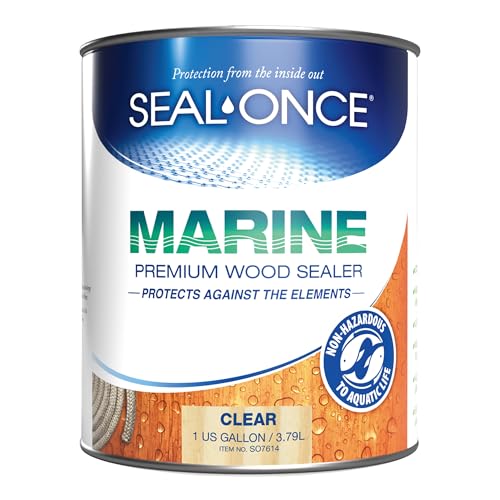


Finally, polish the surface with a soft cloth for a rich sheen that highlights the natural beauty of the wood. Regular maintenance, such as occasional reapplication, will preserve the integrity and appearance of your creations.
Finishing Techniques for Wood Creations
Choose a high-quality sealer, such as polyurethane or tung oil, to enhance the natural beauty while providing durability. Apply in thin, even coats using a synthetic brush or a foam applicator to avoid brush marks.
Before sealing, ensure the surface is smooth. I use 220-grit sandpaper for the final sanding step, removing dust with a tack cloth. This preparation allows the product to adhere properly, resulting in a superior finish.
For added depth, consider a stain before sealing. Test the stain on a scrap piece to achieve the desired shade. Allow it to fully dry, generally 24 hours, before proceeding with the sealer.
Between each coat of polymer, lightly sand with 320-grit paper to enhance adhesion and smoothness. I usually apply at least three coats for maximum protection, particularly in high-traffic areas.
In humid conditions, ensure proper ventilation to avoid issues with drying. I tend to finish projects in a controlled environment to maintain optimal conditions for curing.
After the final coat, let it cure fully for several days before use. This patience ensures longevity and a perfect appearance for your wooden masterpiece.
Selecting the Right Finish for Your Wood Type
Choosing the right coating for various types of timber is crucial for appearance and durability. Here are specific recommendations based on popular wood species:
| Wood Type | Recommended Coating | Characteristics |
|---|---|---|
| Oak | Polyurethane | Highly durable, good moisture resistance, enhances grain |
| Maple | Oil-based varnish | Yellowish tint, deepens natural color, smooth finish |
| Walnut | Shellac | Natural look, easy to apply, moderate protection |
| Cherry | Water-based finish | Clear appearance, doesn’t alter color, dries quickly |
| Pine | Stain and sealer | Enhances grain, easy to work with, lightweight |
Consider the maintenance requirements and the intended use of the item when selecting. For high-traffic areas, opt for more robust options like polyurethane. For decorative pieces, lighter coatings may suffice. Test the finish on a scrap piece for compatibility before proceeding with the main project.
Preparing the Surface for Finishing: Sanding Techniques
Begin with coarse sandpaper, specifically 80-grit, to remove rough spots and imperfections. Progress to finer grits, moving to 120-grit and then 220-grit for a smoother surface. Always sand along the grain to prevent scratches and maintain the wood’s natural beauty.
Hand Sanding vs. Machine Sanding
For intricate areas and edges, hand sanding offers better control. Use sanding blocks for flat surfaces. Machine sanding saves time on larger pieces; however, I recommend using a random orbit sander for an even finish without swirl marks. Always follow up machine sanding with hand sanding to ensure smoothness.
Dust Removal and Surface Preparation
After sanding, remove dust effectively using a vacuum and a damp cloth. This step is crucial, as leftover particles can affect adhesion and appearance of the chosen coating. Allow the surface to dry completely before proceeding to the application stage.
Application Methods: Brushing vs. Spraying Finishes
For an even application, I prefer brushing when working with thick coatings, as it allows me to control the amount and distribution of the material. A high-quality bristle brush reduces the risk of bubbles and streaks, ensuring a smooth layer on the surface. I choose synthetic brushes for water-based products and natural bristles for oil-based coatings. It’s crucial to brush in the same direction as the wood grain to achieve a flawless appearance.
Conversely, spraying delivers a fine mist that can cover large areas quickly. I use this method for intricate designs and larger pieces. To avoid overspray and ensure an even coat, I maintain a consistent distance from the surface–typically around 6 to 12 inches. My air compressor must be properly adjusted to avoid drips, which can ruin the finish. A proper mask and ventilation are necessary to protect against inhaling fumes.
Pros and Cons of Each Method
Brushing allows for more precise control, making it suitable for detailed work or touch-ups. It’s often easier to clean equipment afterward and can handle a variety of mediums, from oil to latex. On the downside, it may require more effort, leading to fatigue during large projects.
Spraying, while faster, necessitates careful setup and can lead to wastage through overspray. It can also result in a less durable coat if not applied correctly, as it may dry too quickly or unevenly. The finish may sometimes appear thinner if not layered properly. Both methods have their places depending on the project scope and desired results.
Choosing Between Oil, Varnish, and Polyurethane
For a natural look with a warm, rich glow, I prefer using oil. It penetrates the wood, enhancing grain visibility, and provides a soft satin finish. I recommend applying multiple coats, allowing adequate drying time between applications, to build up the protective layer. However, be mindful that oil finishes require maintenance over time, as they can wear down or discolor with exposure to sunlight and moisture.
Varnish Advantages
Varnish offers excellent durability and is resistant to water and chemicals. It’s a great option for pieces that will see heavy use or are placed in high-moisture areas. When I use varnish, I opt for a clear, glossy finish for a polished appearance. It’s essential to apply it in thin layers and sand lightly between coats to achieve a smooth, professional look. The drying process can take longer than oil, but the hardened surface provides robust protection.
Polyurethane Considerations
This option is incredibly resilient and often comes in both oil-based and water-based varieties. I lean towards water-based polyurethane for indoor items where quicker drying time and lower odor matter. It retains clarity and does not yellow over time. On the other hand, oil-based polyurethane offers deeper, richer finishes but takes longer to cure. Regardless of the type, I find that careful application will prevent bubbles and ensure even coverage.
Techniques for Achieving a Smooth Finish
Begin by sanding with progressively finer grits, starting from 120 up to 220 or higher. This removes imperfections and prepares the surface for application. After sanding, wipe the surface with a clean, damp cloth to eliminate dust particles that can interfere with adhesion.
Consider using a sanding sealer before the final coat application. This product fills the wood pores and creates a smoother base, enhancing the overall appearance. Apply the sealer, allow it to dry, and lightly sand again with fine grit paper to ensure an ultra-smooth feel.
Employ a spray gun or a high-quality brush suitable for the chosen product. Spraying provides an even coat, while brushing requires careful technique to avoid bubbles. When brushing, maintain a consistent stroke and avoid overworking the area.
For optimal results, apply multiple thin layers instead of one thick coat. Allow adequate drying time between each application; this prevents drips and uneven texture. Lightly sand between layers for enhanced smoothness.
At the final stage, consider buffing the surface with a soft cloth or a mechanical buffer. This can create a softer sheen and further enhance smoothness. Choose the appropriate pad density based on the desired finish quality.
When using oil-based products, allow additional curing time, as these take longer to set. Keep the environment well-ventilated to ensure proper drying and prevent any adhesion issues due to humidity.
Maintaining and Repairing Finished Hardwood Products
Regular cleaning involves using a soft, damp cloth and a mild soap solution. Avoid harsh chemicals that could damage the surface. Wipe with a dry cloth to prevent moisture accumulation.
For minor scratches, I recommend using a wood filler that matches the color of the wood. Apply it with a putty knife, allow it to dry, and sand it lightly for a smooth finish. For deeper scratches, consider using a stain marker or a touch-up pen tailored to your specific wood type.
To restore luster, using a high-quality furniture polish can bring back the original shine. Apply it sparingly with a soft cloth, following the manufacturer’s directions.
Inspect joints regularly to ensure stability. If any screws or dowels are loose, tighten them without over-torquing to avoid splitting. In case of significant damage, reinforcement with wood glue may be necessary. Apply the glue to the joint, clamp, and allow it to cure fully before using the piece again.
Store items away from direct sunlight to prevent fading and warping. If possible, maintain a consistent temperature and humidity level in the environment to protect your items from extreme conditions.
For water rings, a mixture of equal parts vinegar and olive oil can work wonders. Apply it gently with a soft cloth and massage until the blemish fades.
In case of peeling or chipping, sand down the affected area lightly and reapply the appropriate protective coating, ensuring a seamless repair.
- Use coasters to prevent heat and moisture damage.
- Clean spills promptly to avoid stains and water damage.
- Rotate items placed on surfaces to avoid uneven wear.
- Avoid placing heavy items on delicate surfaces to prevent warping.
Taking these steps will help maintain the beauty and integrity of your wooden pieces for years to come.


