
 Caleb Turner

Choosing a high-quality synthetic applicator is the first step towards a flawless surface. These tools minimize the chances of unsightly lines while applying your coat. Selecting a foam or soft-bristle type will further reduce texture and create a consistent sheen across your piece.
Preparation plays a key role in the outcome. Ensure that the surface is clean and sanded appropriately; this not only helps the coating adhere better but also smoothes out imperfections. Using a fine-grit sandpaper for the final touch can greatly enhance the overall appearance of the finish.
Applying thin layers rather than thick ones can make a significant difference. This technique allows the material to self-level as it dries, which helps prevent imperfections from forming. Be patient, applying additional coats only after the previous layer has dried adequately.
Environmental conditions can also impact the final result. Working in a controlled environment–where temperature and humidity levels are stable–can lead to a more uniform application. This means avoiding damp or excessively hot spaces during your project.
Tips for Achieving a Smooth Finish
Opt for a quality foam roller for applying a finish. This tool permits an even distribution of product, minimizing the risk of uneven texture. Roll on a thin layer, allowing ample drying time between applications for optimal results.

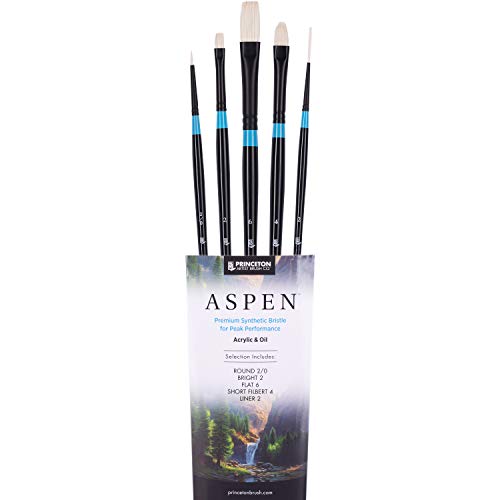

Selection of Tools
Utilize synthetic bristle equipment suited for water-based solutions. These brushes deliver a smoother application compared to natural bristles. Choose a brush with a tapered end to facilitate more precise coverage and reduce visible lines.
Surface Preparation
Preparation significantly impacts the final appearance. Sand the surface thoroughly with fine-grit paper or a sanding sponge. Following this, wipe the furniture with a damp cloth to eliminate dust particles, leading to a polished surface that enhances adhesion and minimizes imperfections.
Selecting the Right Paint for Smooth Finish
Opt for high-quality paint specifically designed for furniture. Water-based acrylic formulas often provide great durability and are easy to work with, yielding a smooth texture.
Consider the following types:
- Chalk Paint: This option requires minimal prep and adheres well to various surfaces, resulting in a matte finish that’s pleasing to the eye.
- Milk Paint: Known for its natural ingredients, it offers a unique aesthetic and can be layered for depth; however, a topcoat is recommended for protection.
- Satin or Semi-gloss Acrylic: These finishes provide a subtle sheen and are easy to clean, making them ideal for frequently used items.
Ensure the paint has a self-leveling property. This feature helps minimize imperfections during the drying process, leaving a flawless surface.
Match the paint type with the surface material of the piece:
- Wood: Latex or alkyd formulations adhere well.
- Metal: Use paints designed for metal, often containing rust inhibitors.
- Laminate: A primer designed for slick surfaces is essential before painting.
Conduct a test on a small area first to see how the paint reacts and ensure it provides the desired results before committing to the entire piece.
Choosing the Best Brushes for Furniture Painting
Select synthetic bristles for a smooth finish. These brushes are excellent for water-based paints, minimizing visible marks. Opt for a brush size that corresponds to the furniture piece; larger items benefit from wide brushes, while detailed areas require smaller ones.
<p Short, angled brushes are ideal for corners and intricate designs. They allow for precision without overloading paint. Keep a round brush on hand for curved surfaces; its shape accommodates varying angles effortlessly.
<p When selecting a brush, check the density of the bristles. A denser brush holds more paint, ensuring fewer passes over the surface. This can help achieve an even coat without tedious touch-ups. Look for seamless ferrules to avoid paint accumulation and promote easy cleaning.
<p Clean high-quality products are less likely to shed fibers during application, which can mar the finish. After use, rinse brushes immediately to prolong their lifespan and maintain performance for future projects.
Preparing the Surface for Optimal Painting
Achieving a flawless finish requires a meticulous approach to surface preparation. Begin with thorough cleaning using a mixture of mild soap and water to remove dust, grease, and grime. Dry completely to avoid trapping moisture under the coating.
Sanding Techniques
Sanding is crucial for creating a smooth base. Use fine-grit sandpaper (220 grit) for light sanding after cleaning. This step helps to scuff the surface, promoting better adhesion. Always sand in the direction of the grain if working with wood.
| Tool | Purpose | Notes |
|---|---|---|
| Fine-Grit Sandpaper (220) | Smoothing Out Surface | Use for final sanding ahead of priming or painting |
| Lint-Free Cloth | Dust Removal | Wipe surface after sanding to ensure it’s free of debris |
| Degreaser | Deep Cleaning | Use for tough stains or heavy grease buildup |
Priming for Perfect Adhesion
Apply a high-quality primer suitable for the surface material. This step enhances adhesion and prevents bleed-through of stains. Allow the primer to dry completely as per manufacturer instructions before proceeding with the topcoat.
Assess the primed surface; if imperfections are present, consider additional light sanding and a second primer layer for added smoothness. Following these steps ensures an ideal finish with minimal flaws, leading to better results with the paint application.
Using Proper Painting Techniques to Avoid Streaks
Apply paint in thin layers rather than a thick coat. This technique allows for better leveling and reduces unwanted textures.
Utilize a technique known as “laying off.” After coating an area, lightly drag the brush or roller over the surface to smooth it out before it dries. This will help in evening out any imperfections.
- Load your brush with just enough paint to cover a small area, preventing drips and excessive buildup.
- Maintain a wet edge by moving from one section to another without allowing previous sections to dry completely. This promotes seamless blending.
- Always work in manageable sections. This ensures control and helps to avoid uneven application.
Adjust your speed; a slower, steady pace allows for more control and reduces the chances of leaving marks. Rapid movements can lead to uneven distribution.
- Prioritize brushing in one direction, whether horizontal or vertical, depending on the piece being treated.
- Experiment with different brush angles to find what works best for your application style.
- Consider using a foam roller for larger flat surfaces, as it often delivers a smoother finish without the risks associated with traditional tools.
This approach results in a more refined and attractive appearance, enhancing the overall quality of your project.
Adjusting Paint Consistency for Even Application
To achieve a smooth finish, I prioritize the right paint viscosity. For latex paints, a good starting point is to add water gradually–about 10% at a time–until it flows easily from the brush without dripping. Always mix thoroughly to prevent uneven consistency.
Oil-based paints require a different approach. I use mineral spirits or paint thinner, keeping the same 10% rule. The goal is to maintain the thickness that allows for smooth application without compromising coverage.
Testing the paint on a scrap piece can save time. I strive for a consistency that allows it to level out once applied, creating an even surface. If it feels too thick, I adjust as needed before committing to the main project.
Employing a Foam Roller for a Brush-Free Look
Opt for a foam roller instead of traditional tools for a smooth, seamless finish. This method minimizes texture and enhances even coverage. Choose a high-density foam roller, ideally around 4-6 inches wide, which allows for better maneuverability, especially in tight spots and corners.
Before application, ensure the paint is well mixed and at the right consistency. A slightly thinned-out paint typically performs better with a roller, as it spreads easily and self-levels. Always conduct a test on a small, inconspicuous area to confirm compatibility between the paint and foam roller.
Applying Techniques
Start at one end of the surface and roll in a W or M pattern. This technique helps distribute paint without leaving excess in any one area. After the initial application, use the roller to lightly feather out edges for uniformity. Avoid pressing too hard to prevent air bubbles or excessive thickness, which can hinder an even application.
Finishing Touches
After completing the initial layer, allow sufficient drying time as specified on the paint label. For the best results, a second coat is often beneficial. Lightly sand between coats with fine-grit sandpaper to enhance adhesion and maintain a smooth surface. Clean the roller thoroughly after painting to ensure durability for future projects.
Using a foam roller fundamentally alters the application process, granting a polished finish without the signs of traditional methods. Enjoy the efficiency and quality it brings to your upcycling tasks.
Mastering the Drying Time Between Coats
Wait at least 2-4 hours before applying an additional layer for optimal results. This time frame ensures the preceding coat is sufficiently cured, preventing issues like smudging or uneven texture. Always reference the paint manufacturer’s guidelines for specific drying times, as they can vary significantly based on product type and environmental conditions.
Temperature and Humidity Factors
Maintain a temperature between 70°F to 75°F and humidity levels below 50% for best curing outcomes. These conditions enhance drying efficiency, allowing for a smoother finish without compromising adhesion.
Touch Test Technique
Before starting the next layer, lightly touch an inconspicuous area. If it feels tacky, additional time is necessary. This simple check can prevent the common mistake of applying too soon, which often leads to undesirable results.
Finishing Touches: Sanding and Topcoats for Gloss
I recommend fine-grit sandpaper, around 220 to 320 grit, for a smooth finish. Lightly sand the surface after the initial coat has dried completely. This step removes imperfections and prepares the area for the next layer.
Use a sanding block to maintain an even pressure across the surface. Focus on high spots or imperfections, but avoid over-sanding which can damage the underlying layer.
After sanding, wipe down the surface with a damp cloth to remove dust. This step ensures that the subsequent topcoat adheres properly.
For a glossy finish, select a clear topcoat like polyurethane, water-based for easier cleanup and quicker drying times. Apply with a high-quality synthetic brush or a foam applicator to avoid marks. Multiple thin coats yield the best results; apply at least two or three layers, allowing sufficient drying time between applications.
Inspect the surface after each coat. If necessary, perform a light sanding again before the final topcoat to guarantee the ultimate smoothness.
Lastly, a final buff with a clean, soft cloth will enhance the shine and add depth to the finish. This careful attention to detail results in a polished and professional look.


