Caleb Turner

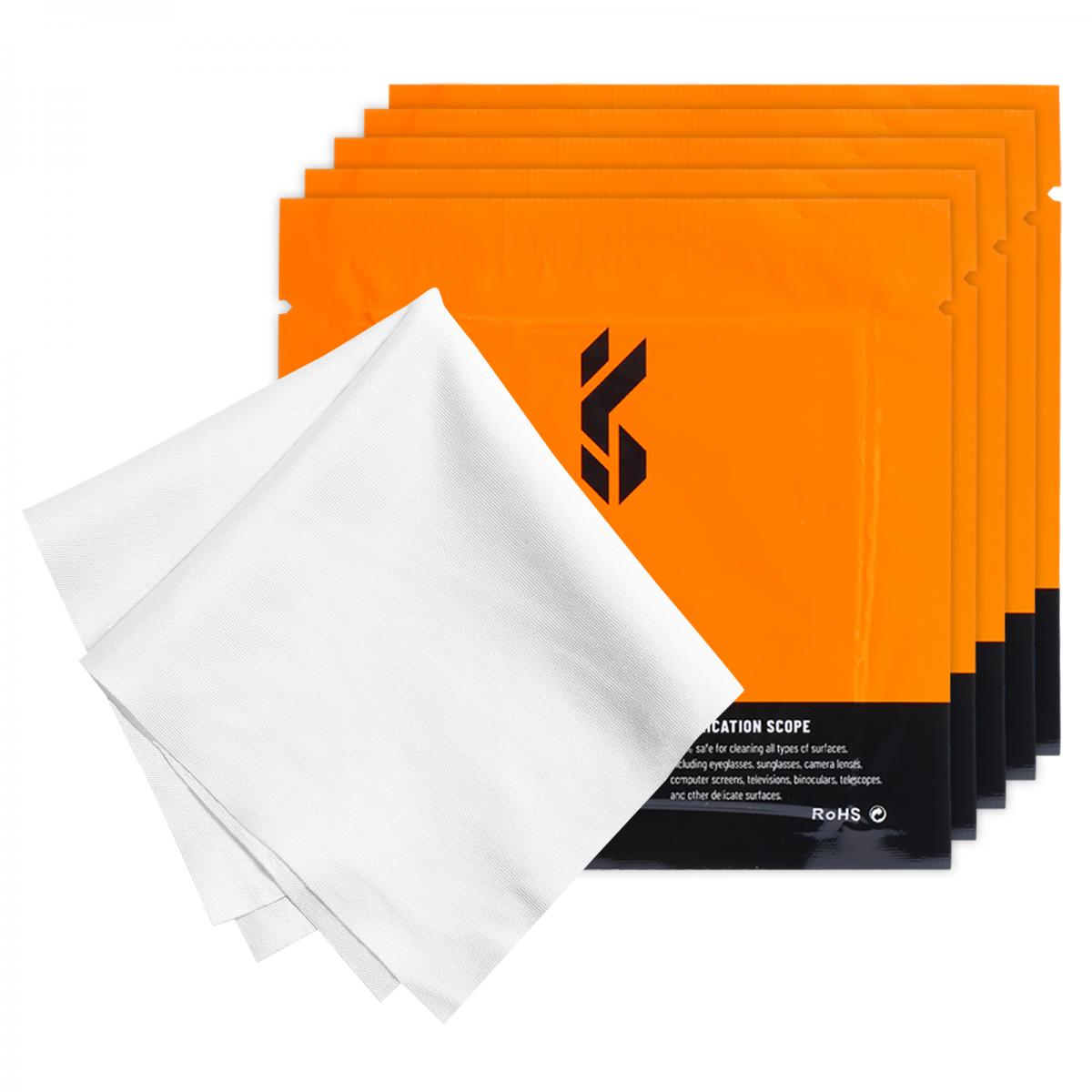


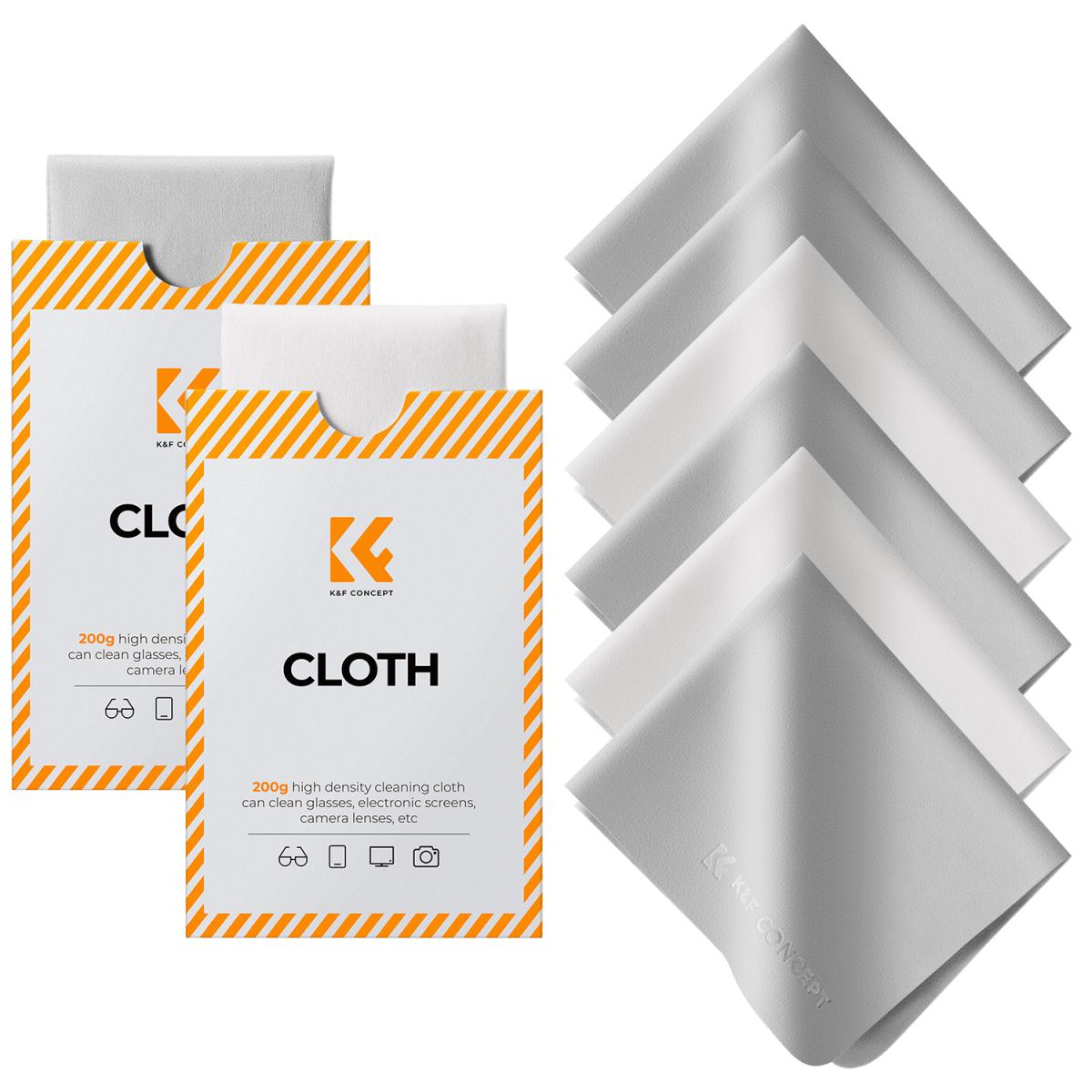
Utilize a soft, lint-free cloth or microfiber towel to gently wipe the textured finish of your vintage items. This will prevent scratches while effectively removing any accumulation of dust.
For stubborn residues, a mixture of water and a few drops of mild soap works wonders. Dampen your cloth with this solution, ensuring it is not dripping, and go over the surface carefully. Rinse and repeat with a clean, damp cloth to eliminate any soap traces.
To maintain the charm of your decor, avoid harsh chemicals or abrasive materials. These can compromise the integrity of the finish, leading to discoloration or damage over time. Instead, consider using a light spray of distilled water with a natural oil to add a gentle shine.
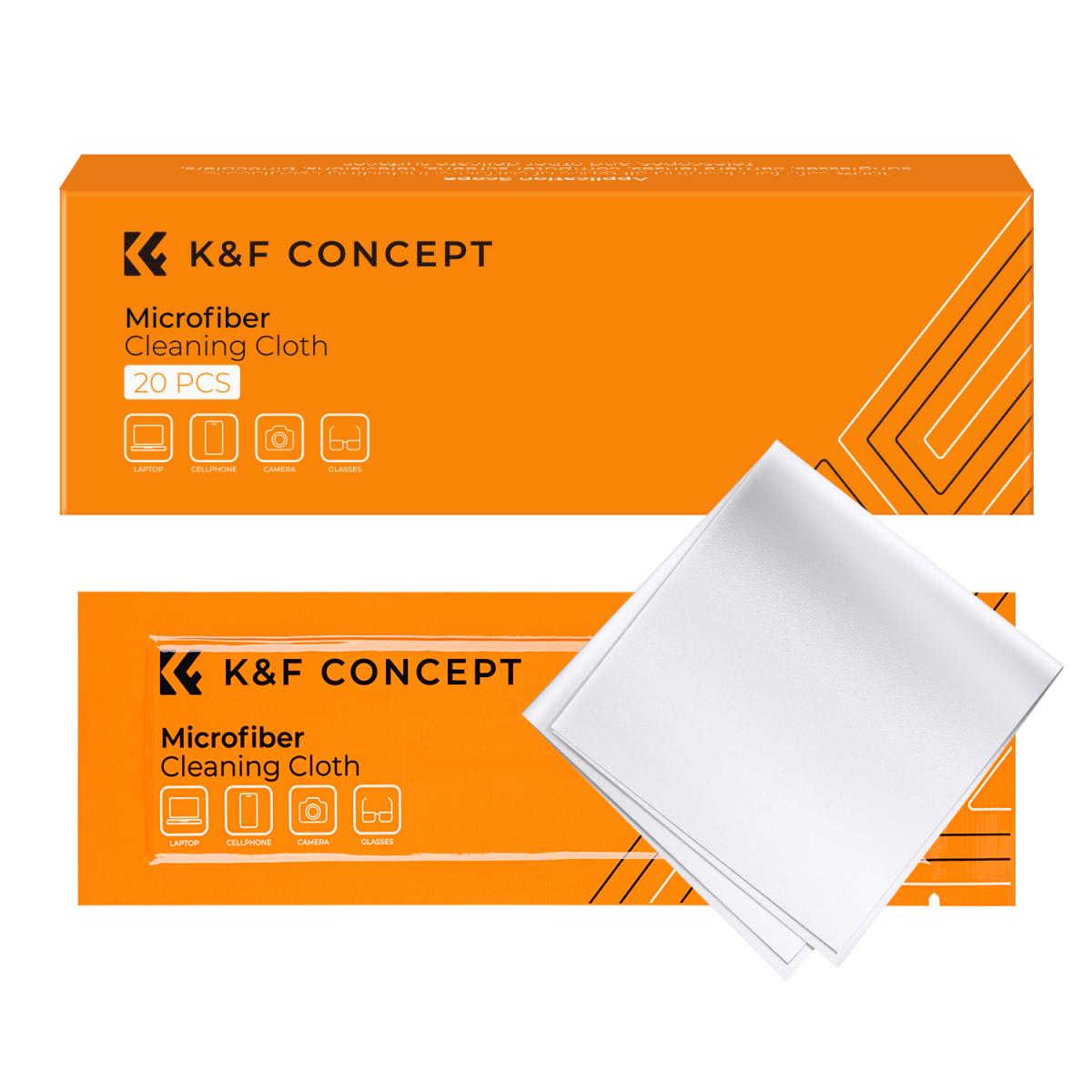
Regular maintenance is key. Set a reminder to dust your pieces weekly to keep them looking fresh and inviting. This simple routine will extend their longevity and preserve their unique character.
Maintenance for Your Refined Surfaces
For the upkeep of my meticulously finished items, I opt for a soft microfiber cloth to gently remove particles. This method ensures I avoid scratching or damaging the finish.

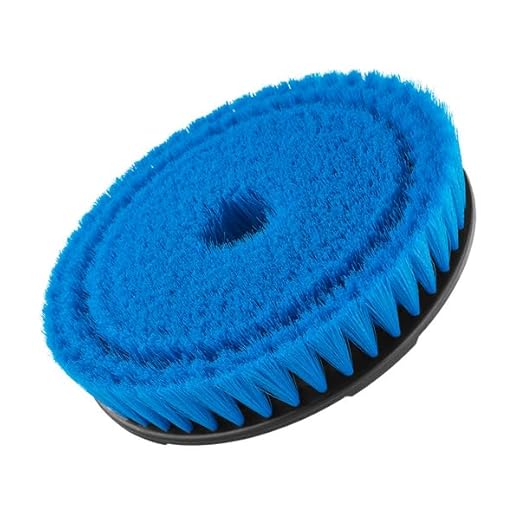

I find that lightly spraying the cloth with a diluted vinegar solution or a specialized cleaner helps lift any stubborn residue without harming the underlying layer. I avoid using excessive moisture, as that can warp the surface.
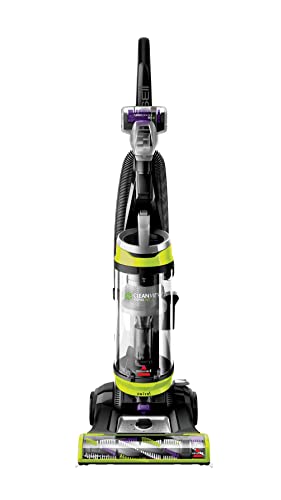
To maintain the charm of these pieces, I recommend using a brush attachment on a vacuum cleaner for tight crevices. This technique efficiently extracts dirt where the cloth may not reach.
Regular checks for wear and tear keep my treasures looking their best. Whenever I notice dullness or marks, I lightly buff the area with furniture wax to restore shine.
Lastly, I keep my items out of direct sunlight whenever possible to prevent fading and discoloration over time. This practice ensures their elegance remains intact.
Selecting the Right Dusting Tools
I recommend using microfiber cloths and soft-bristle brushes for preserving the finish of your pieces while effectively removing debris. These materials minimize the risk of scratches and are gentle enough for delicate surfaces.
Microfiber Cloths
Microfiber is highly absorbent and captures dirt without leaving streaks or lint. Opt for cloths that are non-abrasive and specifically designed for cleaning fine surfaces. I suggest keeping a few on hand, as they can be washed and reused multiple times.
Soft-Bristle Brushes
For intricate designs or hard-to-reach areas, soft-bristle brushes are ideal. Look for brushes with flexible bristles that can conform to different shapes, allowing for a thorough clean without damaging the finish. A small paintbrush can also work well for this purpose, especially in tight corners.
| Tool Type | Material | Best Use |
|---|---|---|
| Microfiber Cloth | Microfiber | General cleaning and polishing |
| Soft-Bristle Brush | Soft bristles | Detailing and reaching tight spaces |
| Feather Duster | Feathers | Light dusting of surfaces |
| Lint Roller | Adhesive sheets | Removing pet hair and lint |
By combining these tools, I can maintain the beauty of my items while ensuring they remain clean and presentable. Regular upkeep with the right instruments will enhance their longevity and charm.
Choosing a Dusting Technique for Chalk Paint
Opt for a microfiber cloth for a gentle approach. This material effectively captures particles without scratching the surface. For intricate details, a soft-bristle brush is ideal. It reaches crevices and textured areas where cloths cannot.
If I encounter stubborn residue, I lightly dampen my cloth with water or a mild solution. It helps lift particles without compromising the finish. Always ensure the cloth is just slightly moist, as excessive moisture can lead to issues.
For larger surfaces, I prefer a static duster. Its ability to attract dust makes the task quicker and less labor-intensive. I can simply swipe it across flat areas without worrying about any damage.
Consistency is key. I maintain a regular schedule to keep everything clean. This prevents buildup and makes the process much easier over time. A proactive approach saves both effort and potential wear.
How to Prepare Your Furniture for Dusting
Before initiating the cleaning process, I recommend removing any items placed on or around the surface. This ensures a thorough examination of every nook and cranny. For larger pieces, relocating them temporarily can facilitate easier access.
I clear any decorative elements, books, or electronics. It’s advisable to take a moment to assess each piece for any repairs needed before beginning. If there are scratches or damage, these should be addressed first, as cleaning can sometimes highlight imperfections.
Next, I examine the room’s environment. Closing windows and doors helps minimize the influx of dust particles during the cleaning session. If possible, I suggest using an air purifier to improve air quality, which can prevent dust accumulation in the future.
Gathering appropriate materials is crucial. Here’s a quick inventory of supplies I typically prepare:
| Item | Purpose |
|---|---|
| Microfiber Cloths | For gentle removal of dust and debris |
| Soft Brush | To reach into crevices |
| Mild Cleaner | For any stubborn spots |
| Furniture Polish | To enhance shine and protection |
Having a plan in place simplifies the entire process. I create a checklist to ensure no area is overlooked and maintain a systematic approach while cleaning. This makes the task more manageable and organized.
Dusting Different Surfaces: Flat vs. Detailed
For flat surfaces, a microfiber cloth is perfect. It captures dust effectively without scratching. I prefer to use a slightly damp cloth, as it helps to pick up particles better. Wipe in straight lines to avoid streaking, making sure to cover the entire area.
In contrast, detailed surfaces, like those with intricate carvings, require a more specialized approach. A soft-bristled brush or a Q-tip can work wonders here. These tools fit into nooks and crannies, picking up the more stubborn dust that accumulates in hard-to-reach places.
- For flat surfaces:
- Use a microfiber cloth.
- Consider a damp cloth for enhanced dust capture.
- Wipe in straight lines.
- For detailed surfaces:
- Employ a soft-bristled brush.
- A Q-tip can be useful for tight spots.
- Gently work around carvings and patterns.
Overall, understanding the difference in surface types enhances the cleaning process, ensuring all areas are effectively maintained without damage.
Using a Microfiber Cloth for Optimal Results
I recommend choosing a microfiber cloth for optimal cleaning of your surfaces. This material is exceptionally soft, ensuring that it won’t scratch the finish while effectively capturing dust particles.

To enhance the performance of the microfiber cloth, dampen it slightly with water or a mild solution. This step aids in lifting dust and prevents it from scattering into the air. Ensure not to soak the fabric; a light moisture is sufficient.
When working on intricate designs or textures, utilize the finer edge of the cloth to reach crevices. The fibers can easily navigate through detailed areas, picking up debris without risking damage.
Regularly check the cloth and shake it out to release trapped particles, maintaining its effectiveness. It’s wise to have multiple cloths on hand to switch out when one becomes heavily soiled.
Storing the microfiber cloth in a clean, dry place prevents any residual contaminants from adhering to it before your next cleaning session.
Switching to this type of cleaning tool dramatically improves the maintenance routine, making it both swift and thorough.
Frequency of Maintenance for Decorated Surfaces
I recommend conducting maintenance on these decorated pieces at least once a month. The more frequently I do this, the less buildup I notice, making each session easier and quicker. For high-traffic areas or items that attract more dust, bi-weekly attention might be beneficial.
Factors Influencing Maintenance Frequency
The environment plays a key role in how often I need to clean. If I live in a dust-prone area, or if I have pets, I adjust my schedule accordingly. Seasonal changes can also affect how much debris accumulates on surfaces.
Signs That It’s Time for Maintenance
I pay close attention to visual cues. If the surface appears dull or there’s noticeable dust accumulation, I take immediate action. Observing any changes in texture can also indicate when it’s time to refresh the look.
Common Mistakes to Avoid When Dusting
Avoid using excessive moisture while cleaning; it can damage delicate finishes. Use a lightly dampened cloth rather than soaking it, ensuring that the surface remains intact.
Incorrect Instruments
- Stay away from abrasive materials like scrub pads, which can scratch or wear down the finish.
- Don’t rely on traditional feather dusters; they often redistribute dust instead of removing it.
Neglecting Detailing
- Pay attention to crevices and detailed areas. Failing to do so can leave dirt buildup that tarnishes the appearance.
- Ignore not using soft brushes for intricate designs; they are essential for thorough cleaning without damage.
Keep a consistent schedule to avoid a buildup of dirt over time, which can make cleaning more challenging. By maintaining a routine, you ensure your pieces remain in pristine condition.
When to Use Furniture Polish on Chalk Paint
I apply furniture polish to enhance the luster of surfaces treated with a matte finish, especially if the piece is regularly in use. For items that see frequent handling or are exposed to moisture, a light application of polish can offer additional protection and longevity.
Timing is crucial. I typically use polish when the surface appears dull or after deep cleaning sessions. If I notice that the texture feels rough or dry, it’s a clear sign that a touch of polish is needed. Also, seasonal changes can impact the finish; applying polish during fluctuating humidity can help maintain the integrity of the surface.
I choose a high-quality wax or polish specifically formulated for matte finishes to avoid altering the desired look. A soft cloth ensures even application without risking damage. After use, I buff gently to prevent buildup and to reveal a subtle sheen that enhances the overall appearance without overshadowing the textured finish.
Regular maintenance includes evaluating the surface condition monthly. If I notice any signs of wear or distress, it is time for a polish touch-up to keep the piece looking its best.
Maintaining the Finish After Dusting
To preserve the appearance of your pieces, regular maintenance is key. Following a thorough cleaning, applying a top coat can enhance durability and sheen.
Here are some steps I recommend for keeping that new look intact:
- Choose an appropriate top coat: Matte finishes can provide a protective layer without adding shine, while satin can enhance the luster.
- Use a clean, soft applicator: I prefer using a high-quality brush or a clean cloth to avoid streaks.
- Apply in thin layers: Multiple thin coatings are better than one thick application, allowing for even drying.
- Allow adequate drying time: Follow the manufacturer’s instructions for drying times between coats.
By maintaining the finish with care, your pieces will continue to look stunning and withstand the test of time.
Regular monitoring for wear spots can help catch issues early. If I notice any dull areas, I gently touch them up before they become more pronounced.
- Consider annual reapplication of the top coat to refresh the protective barrier.
- Protect from direct sunlight to prevent fading.
- Keep your atmosphere humidity-controlled to prevent potential warping or cracking.
Timely maintenance ensures that each surface remains inviting and beautiful for years to come.