
 Caleb Turner

I recommend measuring the area before selecting objects; this ensures fitting arrangements. Create a scaled floor plan to visualize dimensions accurately, avoiding overcrowding. Utilize graph paper or digital tools to sketch layout options, maintaining proportions.
Consider the function of each piece. For social settings, use a circular table to promote interaction; for productivity, opt for a well-positioned desk. Arrange seating in conversation clusters to enhance connectivity and comfort.

Balance is key. Distribute larger elements, such as sofas or cabinets, to prevent uneven weight visually. Incorporate textures and colors harmoniously; muted tones foster a calm atmosphere, while vibrant accents can energize.
Lighting should not be overlooked. Mix ambient, task, and accent sources to create layers. Position fixtures to highlight significant areas, such as artwork or workspaces. Natural light is ideal; use sheer curtains to maintain privacy without sacrificing brightness.
Lastly, personalize the environment. Integrate decorative items that reflect individuality or sentiment, adding character without cluttering. This approach ensures the space is both functional and inviting, catering to the needs of its users.
Arranging Elements for Optimal Flow
Positioning items to promote fluid movement within the space is key. I prioritize ensuring pathways are clear, allowing for natural circulation. Typically, I leave at least 30 inches of clearance between larger pieces like sofas and tables, enabling smooth transitions.
For smaller areas, I often use multi-functional items, which help maintain openness. Incorporating ottomans that double as storage allows me to minimize clutter while maximizing usability. Layering rugs can also enhance visual comfort, framing spaces effectively.
Creating Visual Balance
I take into account the proportions of each piece. Mixing heights and textures enhances visual appeal. For instance, pairing tall bookshelves with lower seating creates contrast. Using a central focal point, such as an artwork or a unique accent chair, guides the eye and creates harmony.
Incorporating accessories like cushions or throws adds depth, allowing an inviting atmosphere. By repeating colors or patterns across various items, I create cohesion throughout the layout, effectively tying elements together.
Choosing the Right Furniture Style for Your Space
Select a style that complements the character of the environment. For a modern ambiance, consider sleek lines and minimalistic forms. If you prefer a cozy and inviting atmosphere, go for rustic designs with warm woods and soft fabrics.
Matching Colors and Textures
Harmonize colors and textures to enhance the overall look. Neutral tones create a calming effect, while bold colors can make statements. When dealing with textures, balance smooth surfaces with tactile fabrics to add depth.
Functional Versatility
Look for multi-functional pieces that optimize usability. A coffee table that doubles as storage or a sofa bed can maximize the space efficiently. Prioritize items that not only serve aesthetic purposes but also meet everyday needs.
Consider scale; oversized pieces can feel imposing in tight areas, while smaller items can be swallowed up in spacious surroundings. Always measure your area and visualize layouts before purchasing new additions. Lastly, don’t forget about personal preferences; select elements that resonate with your tastes and lifestyle for a truly cohesive environment.
Measuring Your Space Accurately Before Buying
To avoid costly mistakes, I always begin by accurately measuring every area where I intend to place new items. Use a tape measure to get precise dimensions.
Steps to Measure
- Measure the length and width of each wall, noting any windows or doors that could impact placement.
- Calculate the total square footage. This figure helps in prioritizing what size pieces can fit.
- Check ceiling height, as it influences vertical pieces like shelving units or tall cabinets.
Considerations for Scale
- Draw a scaled floor plan on graph paper. Use a specific unit (e.g., 1 square equals 1 square foot) for clarity.
- Visualize dimensions using tape on the floor. Lay out the shape of larger items to gauge their fit.
- Account for pathways and accessibility. Ensure there’s enough space for movement and function, especially in high-traffic areas.
Using these methods ensures that the selections I make will fit harmoniously, enhancing both the aesthetic and functionality of the space.
Creating a Functional Layout for Different Activities
Begin by defining the primary functions of the space. For instance, if a gathering area is required, allocate space for seating arrangements that encourage conversation. Arrange sofas and chairs in a circular or semi-circular formation to facilitate interaction.
Integrating Work and Leisure
If work tasks are part of the activities within the area, consider a dedicated workstation. Position a desk near natural light sources to enhance productivity while ensuring that it remains accessible without disrupting leisure zones. Use partitions or shelving units to separate the workspace visually and acoustically.
Optimizing for Movement
Prioritize pathways and flow; maintain clear routes for movement to prevent congestion. A width of at least 3 feet for main walkways allows comfortable passage. Utilize multi-functional pieces, such as ottomans with storage or expandable tables, to maximize utility without overcrowding.
Adjust seating density based on expected occupancy. For intimate gatherings, fewer seats create a cozy atmosphere, while larger groups necessitate more seating. Balance comfort and space to maintain an inviting ambiance.
Regularly reassess and modify layouts to adapt to evolving needs or seasonal changes, ensuring continuous functionality and aesthetics. Keep flexibility in mind while planning; modular seating can be rearranged easily, offering freedom to adjust as activities shift.
Selecting Colors and Materials that Complement Each Other
Choose a color palette that reflects the mood and purpose of the space. For a calming atmosphere, use soft hues like pastels or earthy tones. For energy and vibrancy, opt for brighter shades or bold contrasts. Utilize a color wheel to find complementary colors; for example, blue pairs beautifully with orange, while green enhances red.
Material Combinations
Mixing textures adds depth. Pair smooth finishes, such as glass or polished metal, with natural materials like wood or stone to create an inviting contrast. Fabrics such as velvet or linen can introduce softness against hard surfaces. Consider durability and maintenance: synthetic materials may be suitable for high-traffic areas, whereas delicate fabrics work better in less frequented spaces.
Creating a Unified Look
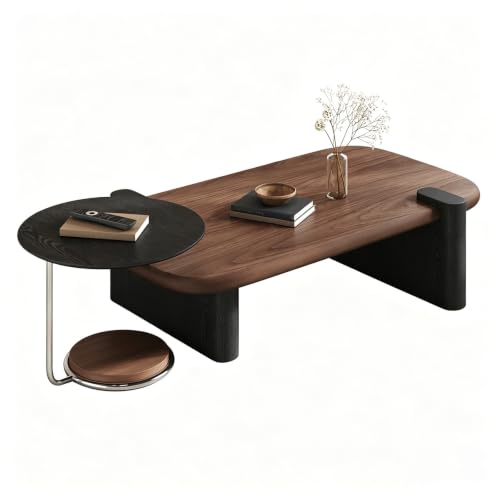
Maintain a cohesive theme by repeating colors and materials throughout. For instance, if you select a walnut coffee table, incorporate walnut accents in other elements, such as picture frames or shelving. Use a consistent color for accents to create visual harmony, ensuring that each piece complements the overall aesthetic.
| Color Pairing | Recommended Materials |
|---|---|
| Soft Blue & Coral | Wood, Linen, Glass |
| Charcoal & Mustard | Metal, Velvet, Stone |
| Olive Green & Cream | Cotton, Natural Fiber, Marble |
| Pale Pink & Gray | Silk, Wood, Concrete |
Incorporating Storage Solutions for a Clutter-Free Space
To maintain an organized environment, prioritize multipurpose pieces. Furnishings such as ottomans or benches with hidden compartments offer practical seating while providing space for items.
Utilize Vertical Space
Maximizing walls is crucial. Shelving units can display decor and store books. Opt for modular systems that allow reconfiguration as storage needs change.
Smart Organization Techniques
- Under-bed storage: Utilize bins or drawers under the bed to keep seasonal clothing or less frequently used items out of sight.
- Wall-mounted solutions: Hooks and pegboards can display frequently used items or decor, freeing up surface areas.
- Designed cabinetry: Built-in storage or cabinetry can blend seamlessly, offering a polished look while providing ample space for keeping belongings.
Implementing these strategies transforms the atmosphere, ensuring a balance between functionality and aesthetics in your surroundings.
Arranging Pieces to Enhance Natural Light Flow
Position seating away from windows to let sunlight stream in without obstruction. Opt for lighter-colored drapes or blinds that can filter light instead of blocking it. I’ve found that glass or mirrored accents amplify brightness, reflecting light throughout the space.
Maximizing Natural Brightness
Utilize multi-functional items, such as a transparent coffee table, to maintain an airy feel while providing utility. Arrange larger elements in a way that creates a pathway for light to travel, keeping walls clear of bulky objects. I prioritize the position of mirrors across from windows; they can double the perceived light flow.
Strategic Layout for Comfort
Incorporating open layouts enables a seamless transition of light. I avoid overcrowding, which can hinder flow; small clusters of seating encourage intimacy without blocking illumination. Regularly reassessing the arrangement ensures I adapt to seasonal changes in light patterns.


