
 Caleb Turner

To accurately pinpoint the era of legendary crafted items, examine the underside of each piece. Look for a label indicating the manufacturer’s name, which typically features a script logo. The production year is often embossed or hand-written on stickers found in discreet areas. These markings serve as vital keys to determining authenticity.
Pay attention to the construction methods. Solid wood joints–mortise and tenon or dovetail–indicate a level of craftsmanship that distinguishes high-quality creations. Avoid items that utilize laminated materials or particleboard, as these often hint at inferior production. The finishing technique is equally important; a hand-rubbed appearance suggests an artisan approach, contributing to the piece’s character and history.
Consider the design aesthetics. Iconic styles, such as mid-century modern clean lines or ornate traditional details, can help date the item accurately. Research catalogs or reputable sources to compare specific design elements, such as hardware or upholstery patterns from various periods. This comparison can provide deeper insights into the item’s time frame.
It’s also wise to verify provenance. Items with documented histories, such as previous ownership or exhibition records, often come with increased value and authenticity. Engaging with antique forums or consulting specialists can enhance your understanding and provide assurance regarding your findings.


Identifying the Era of Henredon Pieces
I recommend inspecting the construction techniques and materials used in the piece. Henredon has long been known for its quality craftsmanship, and examining the joinery–mortise and tenon vs. dowel joins–can provide clues about its age. If the furniture is seamlessly glued together with little visible hardware, it likely indicates a more modern creation.
Check for labels or stamps on the underside or back. The presence of a paper label is common in pieces created from the 1950s onwards, while earlier items might have only a stamped or etched mark. Familiarize yourself with the design style associated with specific decades, such as mid-century modern or traditional Colonial, which can also aid in identifying the period.
Physical characteristics speak volumes. I observe the wood grain patterns, as Henredon utilized different types of wood throughout the years. For example, walnut and mahogany were prevalent in the earlier collections, while oak became more prominent in later offerings. Additionally, inspecting the finish can hint at the time; a hand-rubbed finish indicates a vintage piece, while mass-produced finishes are often more contemporary.
Another key detail is the hardware. Older designs typically feature brass fittings and hardware, which can distinguish them from newer alternatives made from plastic or chrome. Finally, examining the upholstery can reveal insights; the style and fabric can indicate when the piece was likely produced.
Identifying Furniture Markings
To accurately recognize pieces from this esteemed brand, focus on the presence of various distinguishing marks. Check the insides of drawers, the underside, or the back of the item. Authentic creations typically carry a label or stamp that includes the name of the manufacturer along with a location, often a city in North Carolina.
Common Markings
1. Paper Label: Look for a paper sticker affixed to a hidden area, commonly seen on the backside of tables or inside drawers. These labels usually feature the brand name, location, and a unique code indicating the manufacturing date.
2. Stamps: A more durable approach involves carved or stamped logos directly into the wood, usually located on the underside. These markings serve as a hallmark of authentic craftsmanship.
| Type of Mark | Description | Location |
|---|---|---|
| Paper Label | Sticker with name and location | Inside drawers, back of pieces |
| Carved/Stamps | Logo or brand name imprinted in wood | Underside, back |
Additional Indicators
Pay attention to the quality and style of the construction. Unique design elements, quality of materials, and craftsmanship also provide valuable clues about the piece’s authenticity. Investigating these factors, alongside the markings, will lead to informed identification of your treasured item.
Understanding Henredon Furniture Styles by Decade
To accurately assess the design elements of the brand’s pieces, I focus on notable characteristics that define each decade of production. The following table highlights significant styles, materials, and features found in different eras of Henredon’s creations:
| Decade | Styles | Materials | Notable Features |
|---|---|---|---|
| 1940s | Transitional | Mahogany, walnut | Sleek lines, minimal ornamentation |
| 1950s | Mid-Century Modern | Teak, chrome accents | Organic shapes, bold colors |
| 1960s | American Colonial Revival | Cherry, oak | Classic motifs, detailed carvings |
| 1970s | Eclectic | Mixed woods, glass | Unique silhouettes, playful aesthetics |
| 1980s | Traditional | Dark woods, fine upholstery | Intricate details, heavy silhouettes |
| 1990s | Contemporary | Maple, leather | Simplified forms, focus on function |
By examining the above details, I can determine the general period a piece belongs to, enhancing my understanding of its historical context and craftsmanship. Each decade presents distinct traits that can guide me in the identification process.
Researching Henredon Catalogs and Archives
To accurately assess the origins of a specific piece from this renowned brand, I recommend exploring various catalogs and archival resources. This will provide valuable insights into differing collections. Here are key steps to follow:
- Contact Antique Dealers: Reach out to reputable dealers specializing in mid-century and vintage items. They often have access to limited edition catalogs and can offer additional context regarding specific lines.
- Libraries and Museums: Visit local libraries or museums that may have archives dedicated to American furniture makers. Many have collections of historical catalogs you can review.
- Online Archives: Utilize online resources such as the Internet Archive or archives from furniture associations that may host catalogs from various decades. Searching through these can yield useful historical data.
- Collector Forums: Join online forums and social media groups focused on vintage and antique collections. Members frequently share scans of original catalogs or insights on where to find them.
- Researching Brand History: Familiarize yourself with the company’s history through books and academic articles. Understanding the context in which the pieces were made will allow for a more informed analysis.
By gathering information from these resources, identification becomes clearer. Each catalog often contains details such as model numbers and design variations that help trace timelines accurately. Always make note of any unique features or markings that may be referenced in the catalogs.
Examining Construction Techniques for Authenticity
To assess the genuineness of a piece, focus on the joinery methods utilized. Look for dovetail joints, which indicate craftsmanship and quality. Avoid pieces with staples or metal fasteners, as these are signs of modern production techniques.
Common Joinery Methods
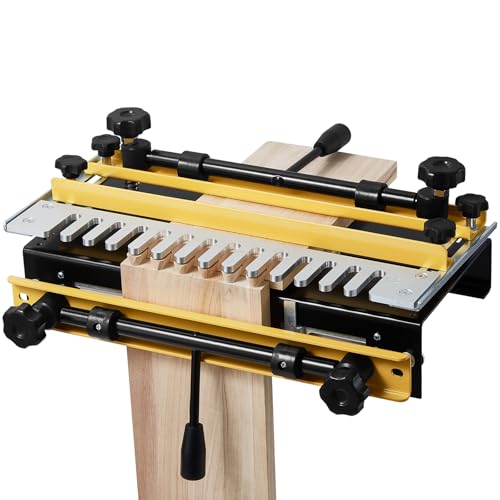
- Dovetail Joints: These are often found in drawers and are a hallmark of quality. The interlocking pattern not only provides strength but also showcases skilled workmanship.
- Mortise and Tenon: This robust method is typically used in chair and table frames, offering stability and longevity.
- Dowels: Wooden dowels can indicate an older piece, especially if they are hand-cut.
Materials and Finishes
Examine the types of wood used. Older items commonly feature hardwoods like walnut, mahogany, or oak. If the surfaces have a hand-rubbed finish, this often points to a more traditional construction process. Check for signs of aging, such as patina or minor imperfections, which suggest authenticity.
Inspecting internal structures, such as drawer interiors and bottom panels, can also reveal information about the era. A solid back panel is typically characteristic of older craftsmanship, while plywood or particle board may indicate a more recent fabrication.
Utilizing these techniques allows me to differentiate between the authentic and the modern reproductions, ensuring I appreciate the genuine heritage of each piece.
Evaluating Material Types Used in Henredon Pieces
Identifying the materials is key for recognizing authenticity and quality in these creations. Look closely at the wood types; common ones include mahogany, walnut, and cherry. Mahogany often features a rich, reddish hue and prominent grain patterns, while walnut exhibits a darker, chocolate tone with a more subdued grain. Cherry can present a lighter color that deepens with age, which is a significant characteristic.
Next, assess the finishes. Henredon’s pieces often have a multi-step finishing process that includes staining and lacquering for depth and durability. A smooth, glossy finish indicates a well-crafted surface. Additionally, take note of any signs of distressing or aging, which can indicate the piece’s era.
Hardware is another aspect to evaluate; consider the knobs, pulls, and hinges. Original hardware typically reflects a higher craftsmanship level and often features unique designs or materials like brass or wrought iron. Replacement hardware may lack these original characteristics.
Don’t forget to examine upholstery materials. The use of high-quality fabrics such as leather, silk, or fine weaves reveals authenticity. Additionally, check for the condition and craftsmanship of stitching; meticulous detail points to a higher-quality item.
Understanding material types and their characteristics aids in assessing these pieces accurately. Each element contributes to the overall value and historical significance, helping to distinguish between authentic items and replicas.
Assessing Condition and Signs of Wear
Examine surfaces closely for scratches, dents, or discoloration. These imperfections often indicate how a piece has been treated over the years. Look for any refinishing, as this can mask original features and diminish value.
Checking Structural Integrity
Ensure all joints are secure and stable. Wiggle different parts to detect any looseness, particularly in chairs and tables. A solid construction is often a hallmark of quality craftsmanship, while instability may suggest neglect or inferior repairs.
Observing Upholstery and Fabrics
If the item includes upholstered elements, check for fabric wear, stains, or fading. Original fabrics can be a selling point, but significant damage may necessitate reupholstering. Pay attention to the stitching and pattern alignment as these details reflect the age and authenticity of the piece.
Consulting with Antique Furniture Experts
Engaging with specialists can significantly enhance the authenticity check of classic pieces. Seek out antique appraisers or dealers known for their expertise in vintage designs.
Where to Find Experts
- Local antique shops often have connections with knowledgeable appraisers.
- Antique shows and fairs provide opportunities to meet experts in person.
- Online platforms and forums dedicated to antiques often feature experienced professionals willing to offer advice.
Questions to Ask
When consulting with authorities, prepare specific questions, such as:
- What are the distinguishing features that verify authenticity?
- Can you provide details about the history and evolution of specific styles?
- What construction methods were typical during particular time frames?
Being well-informed and asking pointed questions will help clarify any uncertainties about the pieces you possess or are considering acquiring. A thorough consultation can reveal valuable insights, ensuring you make informed decisions.
Using Online Resources for Henredon Furniture History
I recommend exploring several reputable websites dedicated to antique and vintage pieces. Websites like 1stDibs and Chairish offer extensive listings of pieces along with historical context, including the background of brands. For more in-depth academic insights, resources like JSTOR or Google Scholar can provide access to articles and papers discussing design trends and manufacturing details relevant to specific eras.
Utilizing Auctions and Classifieds
Platform like eBay and Heritage Auctions can reveal auction history and pricing trends of specific styles and periods, giving valuable context about market demand and authenticity. Analyzing completed sales can uncover shifts in collector interest and value appreciation over time.
Engaging in Online Forums and Communities
Participating in specialized online forums, such as Reddit’s r/Antiques or dedicated Facebook groups, opens avenues for direct interactions with seasoned collectors and enthusiasts. These communities often share personal experiences and tips about identifying authentic pieces versus reproductions.
Documenting Your Findings for Future Reference
I’ve found that keeping a thorough record of my discoveries regarding vintage pieces is invaluable. Start by creating a dedicated notebook or digital document specifically for this purpose. I categorize my notes based on origin, style, and condition. This organization helps to clarify the distinct features of each work, making it easier to understand their history and significance.
Taking Photographs
I take detailed photographs of each item, including close-ups of markings, joints, and any unique characteristics. I label these images with context, like the date and location where I found the piece, alongside any relevant details I may not recall later.
Citing Sources
When researching, I always jot down the sources of any information I find–books, websites, or expert consultations. This practice not only validates my findings but also provides a roadmap for further inquiry. If I consult with experts, I keep notes of their insights and observations, which can be very beneficial for future reference.


