Caleb Turner
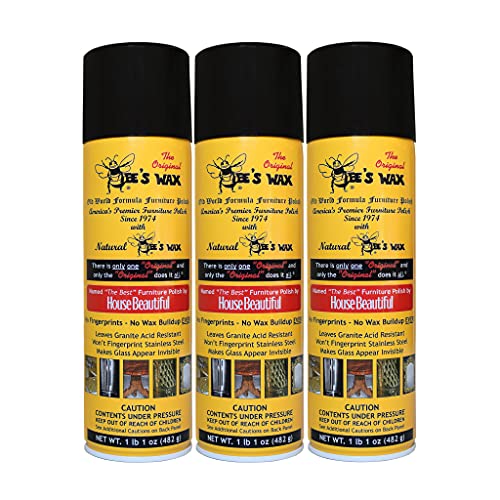
Choosing a natural wax blend for treatment delivers excellent results that enhance the surface and provide a protective layer. I recommend selecting a high-quality product that contains pure ingredients for optimal performance.
Before applying the wax, prepare the surface by dusting it thoroughly to remove any particles. This step is crucial, as it ensures that no debris gets trapped under the wax, which could lead to scratches over time.
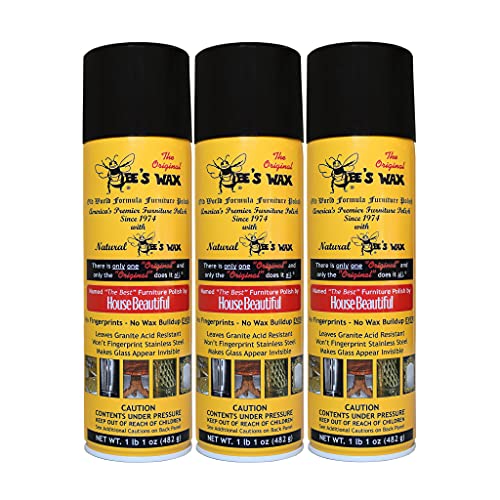


Using a clean, soft cloth, apply the wax in a circular motion. This technique not only allows for an even distribution but also helps to build a shine as you work. Pay attention to areas that might require extra care, such as corners or intricate details.
Allow the wax to set for a few minutes, then buff the surface gently with another clean cloth to achieve a smooth finish. The result will be a beautiful, nourished surface that showcases the natural beauty of the material, while also providing protection from moisture and dirt.
Cleaning Technique Using Beeswax
Applying a blend of beeswax and oil is a fantastic way to enhance the surface of treated timber. I recommend beginning with a clean, dry cloth to remove any dust or particles. Next, gently rub the beeswax mixture onto the surface using a soft, circular motion. This application not only nourishes but also provides a subtle sheen, restoring the appearance without the use of harmful chemicals.
Let the product sit for a few minutes to allow for absorption. Afterward, using another clean cloth, buff the area until it reaches your desired level of shine. Regular maintenance can be achieved by repeating this process every few months, which helps in preserving the finish and staying ahead of any wear and tear.
A few drops of essential oil can be mixed into the wax for added fragrance, personalizing the experience and leaving a pleasant scent in your space. Additionally, using a natural bristle brush can help work the wax into crevices, ensuring an even finish throughout.
Choosing the Right Type of Beeswax for Wood Care
For optimal maintenance, I recommend opting for filtered, food-grade beeswax. This type ensures that the wax is free from impurities and chemicals that might harm surfaces. Avoid yellow varieties, as they often contain pollen and debris, which can affect both appearance and efficacy.
Consider the consistency too. Soft beeswax is easier to apply and spreads more uniformly, while harder types might be more challenging to work with. Look for blocks or pellets that are labeled specifically for use on textiles or surfaces.
If your intention includes enhancing sheen, mixed waxes containing additional oils like mineral or lemon oil can provide a glossy finish while nourishing the surface. Always verify the ingredients to ensure they are safe for your specific application.
Keep in mind that organic options are available for those seeking a more natural approach. These types are often sourced from sustainable beekeeping practices and boast fewer additives.
Ultimately, the right selection will depend on personal preference, the desired finish, and specific maintenance requirements of your surfaces. A careful choice will lead to results you can appreciate.
Preparing Your Wood Furniture for Cleaning
Before I begin the process, I take several steps to ensure optimal results. Proper preparation of the surface is crucial.
Gather Necessary Supplies
- Soft cloths: I prefer microfiber to avoid scratching.
- Vacuum cleaner: A brush attachment helps to reach crevices.
- Gentle vacuuming brush: Ideal for delicate areas.
Assessing the Surface
I carefully examine each piece for any damages or wear. It’s important to identify areas that may need special attention, such as:
- Scratches: Mark visible imperfections.
- Stains: Spot test cleaning solutions before application.
- Loose joints: Repair these to prevent further damage.
Securing the area around the item also helps to avoid spills on floors or carpets. I clear the surrounding space and make sure I have adequate lighting for a thorough assessment. Following these preparations ensures a more effective treatment experience.
Applying Beeswax: Techniques for Optimal Results
Choose a soft, lint-free cloth or an applicator pad for the task. This helps avoid scratches and ensures an even layer of the wax adheres to the surface.
Before application, make sure the surface is completely dry and free from debris. Dust using a microfiber cloth to eliminate any particles that could interfere with adhesion.
Work in small sections, applying beeswax with circular motions, which promotes even distribution. It’s crucial to use just enough product to cover the area without over-saturating it.
- Test a small, inconspicuous area first to ensure compatibility with the existing finish.
- Allow the wax to sit for several minutes to let it penetrate.
- Buff the area gently using a clean cloth to enhance the shine and remove excess wax.
For textured surfaces or intricate carvings, a small brush or an old toothbrush can help get into crevices where wax may collect. This ensures full coverage and protection in hard-to-reach spots.
Once all areas are addressed, allow the finish to cure according to the manufacturer’s recommendations before using or placing items on the surface. This helps achieve the desired protective layer and sheen.
Regularly repeating this process will not only maintain appearance but also prolong the material’s life, preventing wear and tear over time.
Removing Stains and Scratches Before Waxing
To tackle stains, I mix equal parts of vinegar and olive oil. I apply the solution with a soft cloth, gently rubbing it into the stained area. For tough spots, I let it sit for a few minutes before wiping it away. This method not only helps lift stains but also nourishes the surface.
Addressing scratches requires a different approach. I use a walnut or pecan; rubbing the nut over the scratch fills it with natural oils that blend in with the surrounding finish. For deeper scratches, a wood filler in a shade matching the surface works best. After applying the filler, I smooth it out with a fine-grit sandpaper once it dries.
After dealing with stains and scratches, I make sure the surface is clean and dry before proceeding to apply the wax. This step ensures a smooth application and optimal results.
Regular Maintenance of Beeswax-Coated Furniture
To maintain the integrity of surfaces treated with a natural wax finish, I recommend applying a layer every 4 to 6 months. This interval ensures the wood remains protected while enhancing its natural beauty.
Wipe Down Frequently
Using a soft, dry cloth, I lightly wipe down the surfaces weekly to remove dust and prevent buildup. Avoid using damp cloths, as excess moisture can cause damage. Instead, opt for a microfiber cloth that effectively attracts dust without scratching the finish.
Reapply When Necessary
If I notice that the surface is starting to look dull or feels rough to the touch, it’s a sign that reapplication is needed. Before applying a new layer, I ensure the area is clean and dust-free. If needed, a gentle buffing helps prepare the surface for new wax.
Regular maintenance not only keeps surfaces looking their best but also prolongs their lifespan, preserving the natural wood for years to come. Attention to detail during these upkeep sessions guarantees lasting beauty and durability.
Common Mistakes to Avoid When Using Beeswax
Using the wrong type of beeswax can undermine results. It’s crucial to select a high-quality product specifically designed for treating surfaces. Avoid using cosmetic-grade beeswax as it may contain additives harmful to your items.
Applying excessively thick layers creates a residue instead of a protective finish. A thin, even layer ensures that the natural beauty shines through without attracting dust and dirt.
Neglecting to test wax on a small, inconspicuous area can lead to unexpected reactions. Each surface may react differently, so it’s wise to perform a patch test before proceeding with the entire piece.
Forgetting to remove dust or grime prior to application diminishes the effectiveness of the waxing. Ensure all contaminants are thoroughly addressed to permit proper adhesion and protection.
Rushing the drying process can result in a sticky surface. Allow sufficient time for the wax to cure, typically taking several hours or as directed by the manufacturer.
Overusing abrasive cloths during buffing can create scratches. Opt for soft, lint-free materials to prevent damage while achieving a desired sheen.
| Mistake | Description |
|---|---|
| Wrong Beeswax Type | Choosing low-quality or inappropriate beeswax can lead to poor results. |
| Thick Application | Piling on too much wax creates build-up and attracts dirt. |
| No Patch Test | Neglecting to test on an unseen area could damage your items. |
| Skipping Surface Prep | Not cleaning surfaces beforehand reduces adhesion and finish quality. |
| Rushing Drying | Hastening drying can leave a sticky residue. |
| Abrasive Buffing | Using harsh cloths may scratch the surface instead of polishing. |
FAQ:
What are the benefits of using beeswax to clean wood furniture?
Beeswax offers several advantages for cleaning wood furniture. First, it provides a natural protective layer that helps to seal the wood, preventing moisture and dirt from penetrating. This can prolong the life of the furniture. Additionally, beeswax enhances the wood’s natural shine without adding harmful chemicals, making it a safer option for cleaning. It can also help to cover small scratches and scuffs, giving the furniture a fresher appearance.
How do you apply beeswax to wood furniture?
To apply beeswax, start by ensuring that the furniture is clean and dry. Use a soft cloth to remove any dust or debris. Take a small amount of beeswax and dab it onto the cloth. Rub the wax onto the wood in the direction of the grain, applying a thin, even layer. Allow the wax to dry for about 10-15 minutes, then buff the surface with a clean, dry cloth to achieve a nice sheen. Repeat the process if you desire a more polished finish.
Can beeswax be used on all types of wood furniture?
Beeswax is generally safe for most types of wood furniture, including hardwoods and softwoods. However, it’s best to test it on a small, inconspicuous area first to ensure compatibility. Some finishes or treatments used on certain pieces may react differently to beeswax, so this precaution can help avoid any unwanted effects. For furniture with a high gloss or polyurethane finish, other cleaning methods may be more appropriate.
How often should you use beeswax on wood furniture?
The frequency of applying beeswax depends on the usage and exposure of the furniture. For high-traffic items, such as dining tables, it’s advisable to wax every three to six months. For pieces that are less frequently used, once or twice a year may suffice. Regular maintenance helps keep the wood protected and looking good. Keep an eye on the appearance of the furniture, as signs of dryness may indicate it’s time for another application.