
 Caleb Turner

Begin by gathering a mixture of mild soap and warm water to tackle any dirt and grime. A soft-bristle brush can be essential for reaching intricate details while ensuring no damage to the surface. Gently scrub all areas, focusing on spots that appear particularly dull or discolored.
After rinsing thoroughly with clean water, it’s time for drying. I prefer using a microfiber cloth to prevent water spots, which can occur when drying with standard towels. Make sure the pieces are completely dry before moving on to the next step.
To enhance the appearance and protect the integrity, applying a quality penetrating oil can work wonders. Choose a product specifically designed for natural wood that restores luster while adding a layer of defense against the elements. Follow the manufacturer’s instructions for optimal results, ensuring even coverage across all surfaces.
For deeper restoration, an orbital sander can effectively remove any weathered layers. Use fine-grit sandpaper for a smooth finish, taking care to go with the grain. Always wear protective gear to ensure safety during this process.
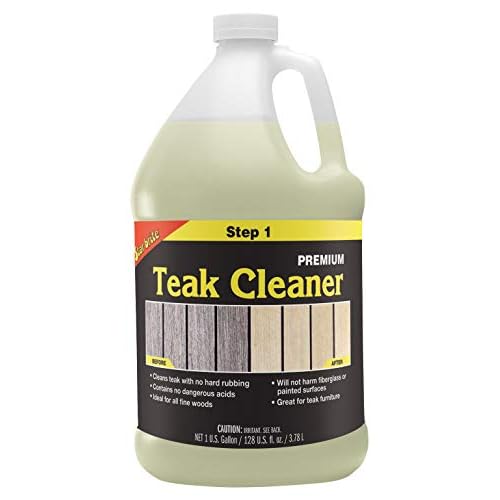


A regular maintenance schedule also helps keep your outdoor pieces in top condition. Clean and oil them at least once a season, and inspect for any signs of wear or damage promptly for easy repairs.
Restoring Weathered Wood Items
Use a mixture of warm water and mild soap to scrub surfaces with a soft bristle brush. This combination effectively removes dirt and grime without damaging the material. Rinse thoroughly with clean water, ensuring no soap residue remains.
Removing Stains
For stubborn spots, create a paste of baking soda and water. Apply it directly to the stained areas, let it sit for about 10-15 minutes, and then gently scrub with a soft cloth or sponge. Rinse well after treatment.
Preserving the Finish
Following washing and drying, apply a specialized oil formulated for this type of wood. This product enhances the natural beauty and protects against weather-related damage. Reapply every six months for optimal upkeep.
| Material | Cleaning Solution | Frequency |
|---|---|---|
| Weathered Wood | Warm soapy water | Seasonally |
| Stains | Baking soda paste | As needed |
| Protection | Specialized oil | Every 6 months |
Assessing the Condition of Your Teak Furniture
Examine the surfaces closely for discoloration, scratches, or signs of wear. A thorough inspection helps determine the appropriate maintenance strategy. Focus on areas that receive sunlight and those sheltered from the elements; they may exhibit different levels of degradation.
Identifying Damage
Check for cracks or splits in the wood. If the structure appears weakened or has deep gouges, it may require more than just a simple refresh. Look for mold, mildew, or stains that may indicate prolonged exposure to moisture.
Surface Feel
Run your hand over the surface to gauge its texture. A rough or coarse feel suggests significant wear, while a smoother surface indicates less exposure to the elements. This tactile assessment can help in choosing the right treatment products for restoration.
Gathering the Right Cleaning Supplies
I recommend preparing a selection of specific products to ensure the best restoration of your wooden outdoor items. The following list features necessary supplies:
- Soft Bristle Brush – For gentle scrubbing without scratching the surface.
- Wood Cleanser – Choose a biodegradable formula specifically made for natural wood.
- Sandpaper or Wood Scraper – To eliminate stubborn stains or mildew, opt for fine grit sandpaper.
- Protective Gear – Wear gloves and a mask to protect your skin and respiratory health from cleaning products.
- Bucket – Use a dedicated container for mixing and applying your cleaning solution.
- Cloths or Towels – Soft, lint-free fabrics are ideal for drying and polishing the surface.
Optional Supplies
- Wood Finish or Sealer – If you want to maintain durability and appearance after cleaning.
- Natural Oil – Such as teak oil, to nourish the wood and enhance its natural beauty.
- Pressure Washer – Use with caution for deep cleaning; ensure it is set to a low pressure to avoid damage.
Before starting the restoration process, gathering these supplies will streamline efforts and protect the integrity of your items throughout the procedure.
Preparing the Furniture for Cleaning
Prior to any maintenance, I ensure that the area is clear of debris and obstacles. This prevents any distractions and allows full access to the surfaces awaiting care.
Removing Accessories
All cushions, covers, and decorative items must be taken off. I place them in a safe location away from cleaning agents to prevent any staining or damage.
Inspecting for Damage
As I examine each piece, I look for any cracks, loose joints, or signs of pest infestations. Addressing these issues beforehand can save time and effort later in the care process.
Additionally, checking for mold or mildew is vital. If any is present, I make note to treat these areas specifically during the main cleaning process.
Safety is a priority; I always use protective gear like gloves and a mask if necessary, particularly when dealing with potentially hazardous materials.
Choosing the Appropriate Cleaning Solution
For restoring the natural beauty of my outdoor pieces, I’ve opted for a mild soap solution to avoid damaging the wood’s integrity. A mix of warm water and a few drops of biodegradable dish soap is usually sufficient. This approach effectively removes dirt while being gentle on the surface.
In cases of stubborn stains or mildew, I’ve found that a solution of vinegar and water works wonders. I typically mix one part vinegar to three parts water, applying it with a soft cloth. This method helps tackle tougher spots without harsh chemicals that could strip the wood’s oils.
When considering commercial products, I’m careful to select those specifically formulated for hardwood preservation. I steer clear of bleach-based cleaners, as they can lead to discoloration and weaken the wood fibers over time. Reading labels has become part of my routine to ensure safety and effectiveness.
For a polished finish after washing, I’ve been using specialized teak oils that nourish the wood and enhance its appearance. A thin application generally suffices, restoring the natural luster that makes these pieces stand out.
Ultimately, testing any solution on a small, inconspicuous area is a step I never skip, ensuring compatibility and preventing unforeseen damage.
Cleaning Techniques for Different Types of Stains
For oil stains, I recommend sprinkling talcum powder directly onto the affected area. Let it absorb the oil for a few hours, then gently brush it off. If the stain persists, a mixture of mild dish soap and warm water can be applied with a soft cloth, followed by thorough rinsing.
In case of mildew, a solution of equal parts water and white vinegar works wonders. Apply it with a spray bottle, letting it sit for 10-15 minutes before scrubbing with a soft-bristled brush. Rinse thoroughly to prevent any residue.
For stubborn discolorations, a paste made from baking soda and water can be effective. I apply it directly to the stain, allow it to dry completely, and then lightly scrub with a damp cloth. Rinse afterward.
In the situation of rust stains, I use a commercial rust remover specifically designed for woods. Following the manufacturer’s instructions ensures safety and effectiveness. Always test in an inconspicuous area first.
In order to tackle food or drink spills, a simple mixture of warm water and a few drops of dish soap helps. Dampen a cloth with the solution, blot the stain gently, and follow up with a clean, damp cloth to rinse.
Rinsing and Drying Your Teak Furniture Properly
I thoroughly rinse the surfaces using a garden hose equipped with a spray attachment. This method ensures the removal of any cleaning solution residues and dirt particles. I spray from multiple angles to prevent any sections from being neglected.
While rinsing, I pay close attention to crevices and joints where grime may accumulate. For these areas, I use a soft brush to dislodge stubborn dirt before performing a final rinse.
Once I’ve rinsed off all residues, I allow the pieces to air dry completely in a shaded area. Avoiding direct sun exposure is key to prevent warping or discoloration. If it’s a particularly humid day, I might use a clean microfiber cloth to gently wipe down the surfaces to expedite the drying process.
After ensuring all moisture is gone, I inspect each item for any remaining water spots or stubborn debris. If needed, a quick buff with a dry cloth helps maintain an even appearance.
Finally, I store the cleaned items in a protected area or cover them, safeguarding against the elements while they dry and after the cleaning process is complete.
Applying Teak Oil for Protection
To safeguard your outdoor pieces, I apply teak oil after thorough cleaning. This process revitalizes the wood and provides a protective layer against the elements.
Here’s the method I follow:
- Choose a high-quality teak oil specifically designed for outdoor use.
- Ensure the surfaces are completely dry before application; wait at least 24 hours after cleaning.
- Use a clean, lint-free cloth or a foam brush to apply the oil. I prefer a brush for an even finish.
- Work the oil into the wood, following the grain. I typically use long, even strokes to ensure it penetrates well.
- Allow the oil to soak in for about 10-15 minutes, then wipe off any excess with a clean cloth.
- For a richer color and better protection, I apply a second coat after the first has dried, usually after 24 hours.
Regular maintenance is key. I repeat this process once or twice a year, depending on exposure to weather and sun. Proper application of oil helps maintain the aesthetic appeal and extends the lifespan of my outdoor pieces, ensuring they remain in prime condition for years to come.
Establishing a Regular Maintenance Routine
Incorporating a consistent upkeep schedule is paramount for preserving the condition of my outdoor seating. I allocate a few minutes each month for spot checks, ensuring any signs of wear are addressed promptly. Setting reminders on my calendar helps me stay on track and prevents neglect.
I make it a point to wash the surface with a gentle soap solution every three months. This practice helps eliminate dirt buildup and retains the wood’s natural beauty. Following the wash, I inspect for any stains or discoloration, taking notes for deeper treatments if necessary.
Additionally, I apply a protective oil once or twice a year. This not only enhances the wood’s appearance but also shields it from the elements. I’ve found that late spring is ideal, as the weather is consistently warm, allowing for thorough absorption.
Finally, documenting my maintenance activities in a simple log proves useful. I jot down the dates and types of treatments performed, which provides insight into my methods and helps me adjust as needed.


