Caleb Turner

For restoring the charm of your classic handwoven items, begin with a gentle dusting using a soft-bristle brush. This crucial step removes surface dirt and dust, crucial for maintaining the integrity of the intricate design.
Next, prepare a mild cleaning solution by mixing warm water with a few drops of dish soap. Dampen a microfiber cloth with this mixture and carefully wipe down the surfaces, ensuring you keep excess moisture to a minimum to avoid warping the material.


After the initial wipe-down, rinse the cloth with clean water and go over the pieces again to remove any soap residue. Finally, allow them to air dry in a shaded area to preserve their color and prevent deterioration caused by direct sunlight.
Regular maintenance can help retain their beauty for years. Consider applying a protective coating specifically designed for woven materials after thorough cleaning to guard against future grime buildup.
Cleaning Techniques for Vintage Rattan Pieces
Begin with a soft-bristled brush to gently scrub away dust and debris from the crevices. This method helps to avoid damage while removing accumulated particles. Consider an upholstery vacuum attachment to reach into tight spots without harming the surface.
For stubborn stains, mix a solution of mild soap and warm water. Dampen a cloth with this mixture, ensuring it’s not overly saturated. Wipe the surface in a circular motion, focusing on soiled areas for thorough treatment. Rinse the cloth frequently to prevent reapplying dirt.
To tackle mildew or mold, create a paste from baking soda and water. Apply this paste to affected regions, letting it sit for about 15 minutes before scrubbing gently. Rinse well and ensure the item is completely dry to prevent regrowth.
Maintain the appearance by applying a natural oil or beeswax periodically. This can enhance the finish while providing a protective barrier. Simply apply with a soft cloth and buff to achieve a polished look.
For more extensive restoration, consult a professional skilled in reviving vintage pieces. They can offer tailored advice on nutrition and care specific to the type of material used.
Assessing the Condition of Your Wicker Furniture
Begin by thoroughly inspecting the surface. Look for signs of damage such as cracks, breaks, or frayed areas. Run your hand over the material to identify rough spots or any loose strands that indicate deterioration.
Check for Structural Integrity
Gently wiggle and shake the piece to test its stability. Pay attention to joints and connections; loose ends may need re-weaving or repair. If the framework is unstable, this can compromise the entire structure.
Evaluate the Finish
Look for discoloration or faded areas on the finish. You can use a damp cloth to wipe a small section and see if the color returns. Areas with peeling or chipped protective coatings should be noted for refinishing.
| Condition | Action |
|---|---|
| Stable with minor wear | Regular maintenance; apply protective oil. |
| Loose joints | Re-tighten or re-weave. |
| Faded finish | Refinish the surface. |
| Significant damage | Consider professional repair. |
Documenting each issue helps create a tailored plan for restoring the piece to its former glory.
Gathering Necessary Cleaning Supplies
Prepare a bucket filled with warm water as a base for your restoration project. This will serve as the primary cleaning mixture.
For effective dirt removal, include mild dish soap or a gentle cleanser in the bucket. Avoid harsh chemicals that can damage natural fibers.
Brush Selection
A soft-bristled brush is indispensable for reaching crevices. Opt for one that can effectively remove dust and debris without harming the surface.
Additional Tools
Gather microfiber cloths for drying and initial dusting. Rubber gloves will protect your hands from wetness and product residues. If necessary, consider a vacuum with a brush attachment to eliminate stubborn particles.
Removing Dust and Debris from Wicker
Begin with a soft-bristle brush or a handheld vacuum cleaner with a brush attachment. Carefully sweep through the crevices, paying attention to corners and tight spots where particles tend to accumulate. This will prevent damage during further cleaning. I prefer using a vacuum to efficiently remove dust without making a mess.
For more stubborn debris, a slightly damp microfiber cloth works wonders. Lightly moisten the cloth; avoid soaking it to prevent moisture from penetrating the material. Wipe along the strands, being mindful not to disturb the structure.
If necessary, I use a cotton swab for intricate areas. This ensures I can effectively remove accumulated dust from detailed sections. It’s a simple tool that provides precision for those hard-to-reach spaces.
After the initial dusting, inspect for any additional grime and repeat the process if necessary. This method ensures that both loose particles and deeper dirt are effectively addressed, allowing the texture to show through beautifully.
Applying a Gentle Cleaning Solution
I recommend preparing a mild cleaning mixture by combining equal parts of water and white vinegar. This solution effectively loosens grime without harming delicate fibers.
For heavy stains, incorporate a few drops of dish soap into your mixture. Test the solution on a hidden area to ensure there’s no discoloration.
When applying, use a soft cloth or a sponge. Moisten the cloth with the mixture, ensuring it’s damp but not dripping. Gently wipe the surface, following the weave pattern to avoid fraying.
- Work in sections to maintain control over the cleaning process.
- After wiping, follow with a clean, damp cloth to remove any residual soap or vinegar.
- Allow the piece to air dry completely to prevent mildew growth.
For stubborn spots, consider using a soft-bristled brush dipped in the solution. Apply gentle pressure, taking care not to damage the material.
Always prioritize gentleness in your approach to maintain the integrity of this classic design.
Restoring Color and Finish on Wicker
I recommend using a soft wood stain or spray finish to rejuvenate the appearance of your piece. Choose a color that matches or is complementary to original hues to achieve a cohesive look.
Before applying stain or finish, test it on a small, inconspicuous section. This ensures that the new color works well with the existing tones. Allow the test area to dry fully before making a final decision.
Once a suitable product is selected, use a clean brush or cloth to apply the stain or finish evenly. Work in small sections, and always follow the manufacturer’s instructions regarding application and drying times.
For a polished look, consider light sanding between coats. This helps to smooth out any imperfections and enables better adhesion of subsequent layers. Always clean the surface thoroughly after sanding to remove any dust.
If you’re aiming for a glossy finish, a clear coat can be applied after the stain has dried completely. This adds protection against wear and can enhance the color depth.
Lastly, maintain the luster of the finish by regularly dusting and using a suitable conditioner or polish as needed. This proactive care will extend the life of the piece significantly.
Preventive Maintenance for Longevity
Regular inspection of woven pieces makes it easier to catch any issues early, prolonging their lifespan. Look for loose strands, unraveling sections, or any signs of damage during your routine checks.
Environmental Considerations
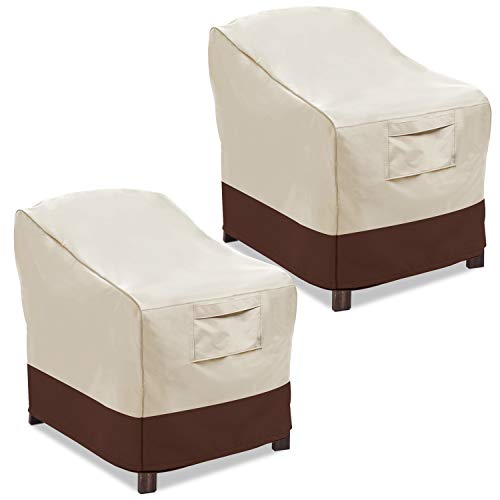
Avoid placing these items in direct sunlight, as prolonged exposure can cause fading and drying. Opt for shaded areas or use protective covers to shield them from UV rays.
Humidity Control
- Maintain indoor humidity levels between 30% and 50% to prevent cracking or warping.
- If situated outdoors, take them inside during extreme weather conditions to minimize wear.
Use a soft brush or a vacuum attachment regularly to remove dirt and dust that can accumulate within the crevices. After cleaning, applying a thin layer of furniture oil will help preserve the finish and enhance appearance.
Every year, invite a professional inspector to evaluate structural integrity. They can advise on any necessary repairs and suggest appropriate maintenance practices tailored for your special items.