Caleb Turner

For tackling grime on upholstery, I recommend using a mixture of mild detergent and warm water. Apply the solution with a soft cloth, scrubbing gently to avoid damage. Always test a small area first to ensure colorfastness.
Wood tables and chairs benefit from periodic dusting with a microfiber cloth. For stubborn spots, I use a mixture of vinegar and olive oil, wiping it off with a clean cloth to maintain shine without leaving a residue.
For plastic surfaces, a simple solution of water and dish soap works wonders. I spray it on, let it sit for a minute, then wipe with a soft cloth. This technique removes any build-up without scratching the surface.



Regular maintenance involves vacuuming fabric pieces to prevent dust accumulation. I ensure to get between cushions and under seating, where dirt often hides.
The choice of cleaning agents matters, as some can be too harsh. I opt for eco-friendly options that minimize harsh chemicals, ensuring the environment remains safe for all residents.
Cleaning Techniques for Furniture in Care Environments
The use of microfiber cloths is a key technique for maintaining surfaces. These cloths effectively trap dust and dirt without scratching. I dampen the cloth slightly with water or a gentle, non-toxic solution to lift grime more efficiently.
Dealing with Stains
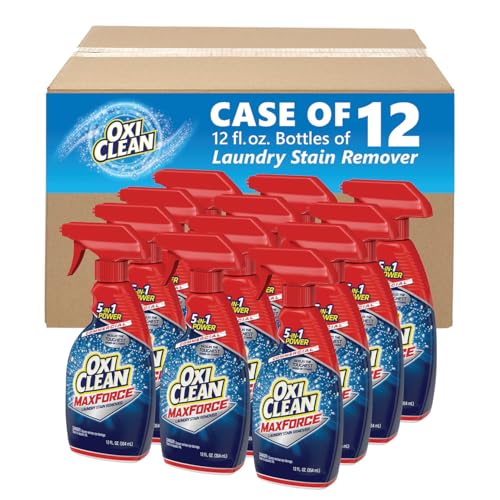
For stubborn marks, I opt for a paste made of baking soda and water. This mixture acts as a gentle abrasive when applied with a soft cloth. For fabric upholstery, a mixture of white vinegar and water serves as a great spot treatment. I always dab, never rub, to avoid spreading the stain.
Sanitizing Procedures
Using disinfectant wipes or a diluted bleach solution (one part bleach to ten parts water) offers an effective approach for sanitizing hard surfaces. I focus on high-touch areas like arms, backs, and attached trays. Following up with a clean, damp cloth ensures no chemical residue is left behind.
Assessing the Material of Care Home Furniture
Identifying the specific type of material is paramount for maintaining the longevity and appearance of various seating and storage solutions. Each substance requires tailored methods for preservation and hygiene.
| Material Type | Characteristics | Maintenance Tips |
|---|---|---|
| Wood | Durable, can be porous, may absorb moisture. | Use a damp cloth for dust, apply furniture polish monthly to maintain luster. |
| Vinyl | Water-resistant, easy to clean, can crack over time. | Wipe with mild soap and water, avoid harsh chemicals. |
| Fabric | Soft, comfortable, can stain easily. | Use a vacuum to remove dust, spot clean with fabric cleaner. |
| Metal | Sturdy, often used for frames, susceptible to rust. | Wipe clean with a damp cloth, apply rust-resistant spray if needed. |
| Leather | Luxurious, durable, can wear down without care. | Condition leather regularly, use specific leather cleaners. |
Assessing these factors allows for a structured approach to upkeep, ensuring everything remains in optimal condition. Tailor each cleaning regimen based on the composition for maximum effectiveness.
Gathering Necessary Cleaning Supplies
Begin with the following items for an effective cleaning process:
- Microfiber cloths: Ideal for dusting and wiping surfaces without scratching.
- Soft brushes: Useful for reaching crevices and intricate designs.
- Vacuum cleaner: A must-have for removing debris, especially from upholstery.
- All-purpose cleaner: Suitable for various surfaces; ensure it’s safe for specific materials.
- Disinfectant wipes: Convenient for quick sanitization of high-touch areas.
- Wood polish: Necessary for maintaining wooden pieces, if applicable.
- Glass cleaner: Essential for maintaining a streak-free finish on glass surfaces.
- Spray bottles: Useful for diluting concentrated cleaners or homemade solutions.
- Gloves: Protect your hands from harsh chemicals and dirt.
Ensure all cleaning solutions are non-toxic and suitable for the specific materials in use. This precaution is vital for the safety of residents and staff alike.
Having these supplies organized and readily available will streamline the entire process, making it straightforward and efficient.
Dusting Techniques for Different Surfaces
For wooden items, I use a microfiber cloth that traps dust effectively. I always go with the grain, ensuring that I avoid any scratches.
On glass surfaces, I prefer a lint-free cloth sprayed with a gentle cleaner. Circular motions help eliminate streaks for a spotless finish.
Upholstered Seating
For fabric-covered seating, a vacuum attachment is ideal. I focus on crevices, where dust tends to accumulate, ensuring a thorough clean.
Metal Components
When dusting metal, a damp cloth combined with a bit of mild soap works wonders. I wipe down surfaces to remove dust and debris without harsh chemicals.
Deep Cleaning Upholstered Items Safely
For a thorough refresh of upholstered seating, I start by vacuuming the surface using an upholstery attachment. This removes loose dirt and debris, which is essential before applying any cleaning solutions.
Preparing the Cleaning Solution
I mix a gentle cleaning solution using water and a mild detergent, suitable for the specific fabric type. It’s crucial to avoid harsh chemicals that may damage the fibers. Test the solution on an inconspicuous area to ensure it won’t affect the color or texture.
Applying the Cleaning Solution
- Using a clean cloth, I dip it into the solution, wringing it out thoroughly to prevent excess moisture.
- I gently blot the stained areas instead of rubbing, which can cause damage.
- For persistent stains, I may leave the solution on for a few minutes before blotting it again.
After treating the stains, I rinse the cloth with clean water and blot the area to remove any soap residue. Allowing the upholstery to air dry completely is vital to prevent mold or mildew growth.
Periodic deep cleaning, paired with regular maintenance, ensures the longevity of upholstered pieces while maintaining a healthy living environment.
Sanitizing Hard Surfaces without Damage
I recommend using a solution of warm water mixed with a mild dish soap for a safe yet effective approach. Dampen a soft cloth with this mixture, making sure it’s not soaking wet, and gently wipe down non-porous surfaces like tables and cabinets.
For disinfection, opt for a solution containing at least 70% isopropyl alcohol or a gentle vinegar-water mix, ensuring the concentration is not too strong to avoid any deterioration of the material. Apply it to a cloth rather than directly on the surface to prevent pooling, which might cause damage.
Test any cleaning solution on an inconspicuous area first to observe how the surface reacts. This precaution helps avoid unintended marks or erosion of finishes. For stubborn stains or spots, let the disinfectant sit for a few minutes before wiping it off with a clean, dry cloth.
Always remember to ventilate the area while working with cleaning agents by opening windows or using fans, minimizing inhalation of any vapors. Additionally, consider using gloves to protect your skin, especially when working with disinfectants.
Dealing with Stains on Fabrics and Woods
Act quickly to address stains on upholstered surfaces; the longer they sit, the harder they become to remove. For food or beverage spills, blot the area with a cloth to absorb excess liquid without rubbing. Prepare a solution of warm water and a mild detergent, then test it on a hidden area before applying it directly to the stain. Use a clean cloth to gently dab the affected spot, working from the outside in to prevent spreading.
For ink stains, a mixture of rubbing alcohol and water can be effective. Dampen a cotton ball with the solution and gently dab the stain. Work carefully to avoid damaging the surrounding fabric. Rinse the area with water after treatment and blot dry.
When facing stains on wooden surfaces, it is critical to identify the type of finish. A mixture of equal parts olive oil and vinegar works well for cleaning and enhancing the shine of finished wood. Apply the solution with a soft cloth, buffing in the direction of the grain.
For persistent stains or scratches, consider using a commercial wooden furniture polish that matches the finish. Apply a small amount to a cloth and rub gently, focusing on the stained areas. Always follow up with a dry cloth to avoid any residue.
Never use harsh chemicals or abrasive cleaning pads on any material, as this can lead to irreversible damage. Regular maintenance helps prevent stains from becoming entrenched, so establish a routine that includes forgoing excessive moisture and techniques suitable for each material type.
Maintaining Outdoor Furniture in Care Facilities
I recommend inspecting outdoor seating and tables regularly for signs of wear or damage. It’s crucial to address any issues immediately to prolong their lifespan. Begin with a thorough wipe-down of surfaces using a mild soap solution. Use a non-abrasive sponge to avoid scratching the finish.
For wooden pieces, treat them with a suitable sealant or varnish, specifically designed for outdoor use, at least once a year. This helps protect against moisture and UV damage. Rinse wooden elements with fresh water after exposure to rain or strong sunlight to prevent moisture from being trapped in the wood.
Metal structures can be wiped with a solution of vinegar and water to eliminate rust spots. After cleaning, apply a thin layer of protective oil to prevent further oxidation.
Keep fabrics on lounge chairs free from dirt by shaking and brushing them regularly. For persistent stains on fabric, a mixture of warm water and mild detergent applied gently can effectively remove discolorations. Always test any cleaning solution on a small, inconspicuous area first.
To maintain the aesthetics of cushions, store them indoors when not in use, especially during adverse weather conditions. Use breathable covers for added protection against dust and debris.
| Material | Cleaning Method | Maintenance Frequency |
|---|---|---|
| Wood | Soap and water, sealant application | Annually |
| Metal | Vinegar solution, protective oil | Biannually |
| Fabric | Detergent solution, brushing | As needed |
Ensure all outdoor items are properly stored during off-seasons to reduce deterioration. By following these practices, I can enhance the durability and appearance of outdoor seating and tables, creating a welcoming environment for everyone.
Tips for Regular Preventive Care
Establish a consistent maintenance schedule to prevent buildup and prolong the lifespan of your seating and surfaces. Regular attention will reduce the need for intensive efforts later on.
Daily Practices
- Wipe down surfaces with a damp cloth every day to remove dust and prevent allergens.
- Encourage staff to report any spills or damages immediately, addressing issues proactively.
- Rotate cushions and seat pads weekly to ensure even wear.
Weekly Routines
- Vacuum upholstered pieces using a soft brush attachment to collect debris without causing harm.
- Inspect seams and joints for signs of wear, tightening screws or screws if necessary.
- Apply a protective spray on fabric items to resist stains and spills.
Implementing these preventative measures creates a healthier and more inviting environment while reducing the frequency of deep cleaning sessions.
Training Staff on Proper Cleaning Protocols
The success of our hygiene practices hinges on the knowledge of our personnel. I recommend conducting regular training sessions that focus on specific cleaning techniques tailored to various surfaces. This ensures all staff understand the nuances of each material and the correct tools to use for optimal results.
Structured Learning Modules
Organize training into structured modules, each covering different aspects of sanitation. Start with the identification of materials used in our settings, then progress to the application of appropriate cleaning agents. Real-life demonstrations will facilitate comprehension and retention.
Role-Playing Scenarios
Incorporate role-playing scenarios. For instance, simulating a stain treatment on upholstery or a disinfecting protocol for hard surfaces can enhance practical skills. Afterward, encourage feedback to identify areas for improvement.
Regular refresher courses also keep everyone updated on new products or techniques. Fostering an environment of continuous learning will result in consistent sanitation standards across the board.
Finally, I believe in utilizing checklists during training to reinforce the importance of following established procedures. This can also serve as a quick reference for team members during their shifts.
FAQ:
What are the best cleaning products to use for care home furniture?
When cleaning furniture in care homes, it’s important to select products that are safe and non-toxic. Commonly recommended options include gentle dish soap mixed with water for general cleaning, diluted vinegar for disinfecting, and specialized furniture cleaners that are pH-balanced. Always check the manufacturer’s instructions to ensure compatibility with the specific materials of the furniture.
How often should the furniture in a care home be cleaned?
The frequency of cleaning care home furniture largely depends on the level of usage and the environment. Generally, high-touch surfaces should be cleaned daily, while less frequently used items can be cleaned weekly. Regular dusting and deeper cleans should be scheduled monthly to maintain hygiene and appearance.
Are there any specific techniques for cleaning upholstered furniture in a care home?
Yes, cleaning upholstered furniture in a care home requires careful attention to avoid damage. First, vacuum the upholstery to remove dust and debris. For stains, spot clean with a mild soap solution or a fabric cleaner suitable for the type of upholstery. Always test any cleaner on a small, inconspicuous area first. For deeper cleaning, consider hiring a professional upholstery cleaning service periodically.
What precautions should be taken while cleaning furniture in a care home?
When cleaning care home furniture, it’s important to take several precautions. Ensure that all cleaning products are safe for the residents and do not emit harmful fumes. Use gloves to protect your hands and masks if needed. Additionally, be cautious with wet cleaning methods to avoid slipping hazards, and make sure areas are well-ventilated during the cleaning process.
How can I deal with stubborn stains on care home furniture?
For stubborn stains on furniture in a care home, start by identifying the type of stain and material. For fabric, a mixture of warm water and soap can often lift stains. Blot the area rather than rubbing to prevent further damage. For harder surfaces, a paste of baking soda and water can be effective. If the stains persist, consider seeking advice from a professional cleaner who specializes in care home environments to avoid damaging the furniture.
What are the recommended cleaning supplies for maintaining care home furniture?
To effectively clean furniture in a care home, you should consider using a few basic supplies. First, a mild detergent mixed with water can help remove dirt and stains without damaging the surface. Microfiber cloths are ideal for wiping down surfaces as they are soft and can capture dust effectively. For disinfecting purposes, an alcohol-based cleaner or diluted bleach solution can be useful, especially on frequently touched areas. It’s also a good idea to have furniture polish for wood surfaces to enhance their appearance and protection. Always ensure that the cleaning products are safe and suitable for the specific materials used in the furniture.