Caleb Turner

Use a soft, lint-free cloth for initial dusting. This prevents scratches and maintains the sleek appearance of your dark surfaces. Regular dusting stops dirt from accumulating, which can dull the finish over time.
For deeper sanitization, a mixture of warm water and mild dish soap is effective. Dampen the cloth, avoiding soaking, and gently wipe down the surface. Always follow up with a clean, dry cloth to remove any moisture that could cause warping or damage.
Be mindful of products containing acidic or abrasive components. Instead, opt for specialized cleaners designed specifically for dark materials. Test any new solution on a hidden area first to ensure compatibility.


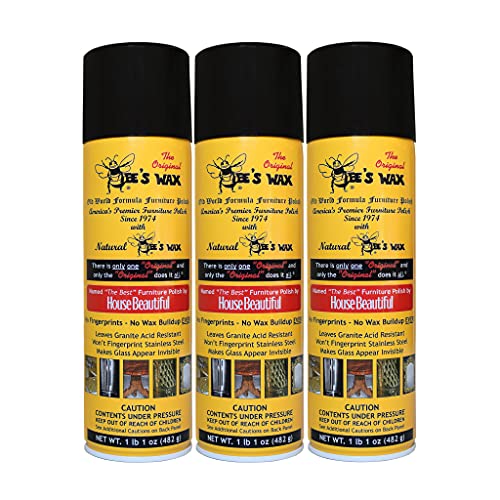
Consider using furniture polish specifically formulated for dark hues, but do so sparingly. Over-application can lead to a sticky residue buildup, which attracts more dirt and requires additional maintenance.
Lastly, avoid direct sunlight exposure to prevent fading. Utilizing curtains or blinds can protect against UV damage while helping to keep the surfaces looking pristine.
Cleaning Tips for Dark Surfaces
I recommend utilizing a microfiber cloth to gently wipe down your items. This material effectively picks up dust and prevents scratches.
For stubborn smudges, create a solution with warm water and a few drops of dish soap. Dampen your cloth with the mixture, ensuring it is not soaked, and wipe the surface thoroughly.
Avoid using abrasive cleaners or pads, as they may harm the finish. Instead, consider using a diluted vinegar solution for natural deodorizing and shine. Mix equal parts of vinegar and water in a spray bottle.
For maintaining luster, a mixture of mineral oil and vinegar applied lightly with a soft cloth works wonders. It enhances the appearance without leaving streaks.
Consider these practices on a regular basis:
- Dust surfaces weekly to prevent buildup.
- Avoid exposure to direct sunlight to reduce fading.
- Promptly address spills to avoid stains.
In cases of deep scratches, a furniture touch-up marker can be used, applying it carefully and following up with polish for seamless blending.
Store items away from heavy objects that may inadvertently cause dents or damage. This precaution helps maintain their integrity over time.
Choosing the Right Cleaning Supplies
For maintaining the appearance of your dark surfaces, selecting the right tools is imperative. I recommend using a microfiber cloth as it effectively traps dirt without scratching the surface. Avoid sponges or rough fabrics that may leave marks.
Recommended Cleaners
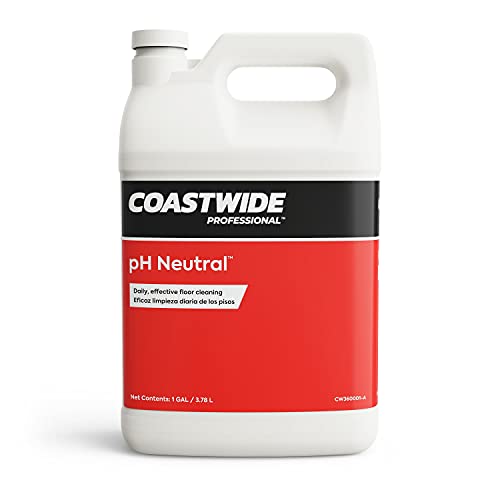
Opt for pH-neutral formulations specifically designed for synthetic surfaces. Here’s a quick reference for suitable products:
| Product Type | Example | Benefits |
|---|---|---|
| All-Purpose Cleaner | Method All-Purpose | Safe for various surfaces, non-toxic |
| Glass Cleaner | Windex | Streak-free results, great for shiny finishes |
| Disinfectant Spray | Lysol | Kills germs while being gentle on surfaces |
Tools to Avoid
Stay away from abrasive cleaners and strong solvents such as bleach or ammonia. These can damage the finish, leading to dullness or discoloration.
Regularly checking the labels of your chosen products will help maintain the integrity of your surfaces. Using the right supplies will ensure longevity and a polished appearance for your decor.
Preparing the Surface for Cleaning
I always ensure the area is clear of any objects or decorations. I carefully remove items like lamps, books, or knick-knacks, as they may obstruct my access to surfaces that need attention.
Next, I use a soft microfiber cloth to gently dust the surfaces. This step helps to eliminate loose dirt and debris, preventing scratches during the cleaning process.
If I notice any sticky residues or spots, I dampen a corner of the cloth with water and lightly wipe those areas. This is crucial, as it allows me to tackle any stubborn residues before moving on.
I take a moment to assess the condition of the surfaces. If they show any signs of damage, such as chips or scratches, I note those spots, as they might require special care during the actual maintenance process.
Finally, I ensure the surrounding environment is well-ventilated. This helps when I apply cleaners later, reducing any strong odors and aiding in the drying process. Adequate air circulation is key for an effective maintenance experience.
Removing Dust and Loose Particles
I recommend using a microfiber cloth for this step. It’s highly effective in attracting and trapping dust due to its fine fibers. Begin by gently wiping across the surface in straight lines to prevent any potential scratches.
If the belongings are heavily soiled or covered with larger particles, I suggest using a soft-bristle brush or an upholstery attachment on your vacuum to collect those particles without damaging the finish.
For hard-to-reach areas, such as corners and crevices, a duster with an extendable handle can simplify the process. This ensures that not only are the visible areas addressed, but also the hidden spots that can accumulate debris.
After dusting, it’s beneficial to inspect the surface closely. If you notice any sticky residues or marks, a light dampening of the cloth can be useful for more thorough attention without oversaturating the material.
Always ensure that the cloth is clean before each use to prevent redistributing dirt. A quick shake can also help eliminate particles that may have settled in the fibers between cleanings.
Cleaning Stains and Spills on Laminate
Address stains using a combination of immediate action and the right methods. For liquid spills, quickly blot with a soft cloth to absorb moisture without rubbing. This prevents deeper penetration into the surface. For sticky residues, a mixture of warm water and mild dish soap works effectively. Apply the solution with a damp cloth, gently wiping the affected area.
Dealing with Stubborn Marks
In case of persistent blemishes, create a paste from baking soda and water. Apply the paste to the stain, let it sit for a few minutes, then gently scrub with a soft sponge. Rinse thoroughly with a damp cloth afterward to remove any residue.
Handling Pen Ink and Dark Liquids
For ink stains, dilute rubbing alcohol with water and dab it onto the mark using a cotton ball. Test this method in an inconspicuous area first. For dark liquids like coffee or wine, quickly wiping with soapy water is essential. If the stain remains, repeat the baking soda method as outlined above.
Dealing with Scratches and Scuff Marks
To address scratches and scuff marks, I rely on a few straightforward methods. For shallow scratches, a touch-up marker or repair pen that matches the finish can work wonders. I carefully apply the marker to the affected area, blending it in with a soft cloth for an even look.
For deeper scratches, I often mix a small amount of wood filler with the appropriate stain. Once I apply the mixture to the scratch and allow it to dry, I gently sand the area with fine-grit sandpaper until it’s smooth and flush with the surface. Then, I wipe away any dust and reapply a stain, if necessary.
Scuff marks usually respond well to a mixture of baking soda and water. I create a paste and gently rub it on the scuffed area using a soft cloth. This method is effective and doesn’t damage the finish. I always remember to rinse the area with a damp cloth afterward to remove any residue.
For stubborn marks, a magic eraser can be a game-changer. I lightly dampen the eraser and rub it over the mark, taking care not to apply too much pressure, as this can affect the surface finish.
Lastly, regular maintenance is key. I monitor high-traffic areas for wear and address issues promptly to keep my pieces looking great for years to come.
Polishing to Restore Shine
I recommend using a high-quality microfiber cloth to polish the surface, as it effectively removes any remaining debris without causing scratches. Apply a specially formulated laminate polish product or furniture polish that is suitable for synthetic surfaces. Lightly mist the polish onto the cloth, not directly onto the material, to achieve an even application.
Technique for Polishing
Using circular motions, gently buff the surface to restore its sheen. Focus on one section at a time, ensuring thorough coverage. Keep the cloth slightly damp to allow for better absorption of the product. Following this technique not only enhances the shine but also protects the surface from everyday wear.
Finishing Touches
After polishing, take a dry side of the microfiber cloth to wipe away any excess product. Check for streaks or uneven spots and address them accordingly. Completing this step guarantees a glossy finish without residue. Regular polishing can significantly enhance the longevity and aesthetics of the surface.
Preventing Future Damage to Laminate
To maintain the pristine condition of your surfaces, I recommend using coasters and placemats under hot items and dishes. This simple step helps avoid burns and scratches. Ensure that any heavy objects are lifted rather than dragged; this prevents surface abrasions.
Regular Maintenance
Establish a routine to remove dust and dirt using a soft, dry cloth weekly. Incorporating a gentle cleaning solution occasionally can help sustain its appearance and sheen. It is critical to avoid harsh chemicals that can erode the finish over time.
Environmental Considerations
Position these surfaces away from direct sunlight to prevent fading and warping. Additionally, controlling humidity levels indoors will thwart potential damage caused by moisture fluctuations. Consider using protective pads under appliances and decorative items to minimize contact with moisture and potential scratches.
By adopting these protective measures, I can ensure the longevity and beauty of my furnishings. Keeping everything in mind will contribute to smarter care decisions and extensive lifespan.
Regular Maintenance Tips for Longevity
Wipe surfaces regularly with a soft, damp cloth to prevent dust accumulation. Consider the following strategies to keep your pieces looking fresh:
Daily Habits
- Use coasters under drinks to avoid moisture rings.
- Avoid placing hot items directly on surfaces to prevent warping.
- Position plants or decorative items on trays to catch any spills.
Weekly Care
- Dust with a microfiber cloth to capture particles effectively.
- Check for any signs of wear and take action immediately.
- Ensure proper airflow around items to prevent humidity build-up.
Routine inspections for potential damage can extend the life of your pieces significantly. Keeping them out of direct sunlight will also help maintain their appearance.