
 Caleb Turner

I recommend beginning with a gentle dusting, using a soft, lint-free cloth to avoid scratching the delicate surface. For more persistent grime, lightly dampen the cloth with water, ensuring it’s not soaking wet, and carefully wipe the wood in the direction of the grain.
Next, a mixture of mild soap and warm water can eliminate stubborn spots. Mix a few drops of pH-balanced soap in a bowl of water, dampen the cloth, and again wring it out thoroughly. After cleaning, ensure the piece dries completely to prevent moisture damage, which could warp the wood.
For added protection and shine, consider applying a fine coat of natural beeswax or a high-quality furniture wax. This not only enhances the piece’s appearance but also provides a protective barrier against future dirt accumulation and enhances the depth of the wood grain.
Maintaining Old Wooden Pieces
For refreshing the surface of these treasured pieces, I mix equal parts of white vinegar and olive oil. This combination not only removes dust but also nourishes the wood, enhancing its natural luster.
I use a soft, lint-free cloth to apply the mixture, working in the direction of the grain. Gentle circular motions help to lift any dirt without causing scratches.
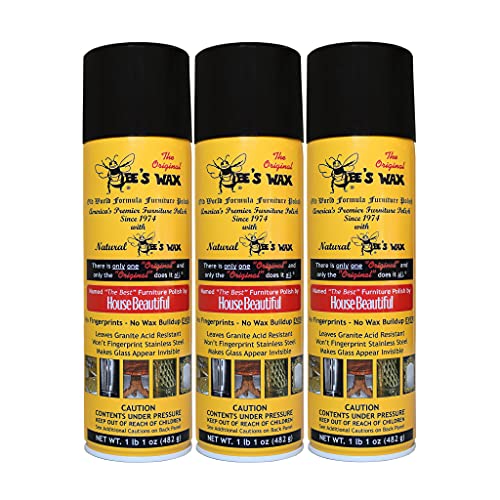


After application, I let it sit for about 10-15 minutes, allowing the solution to penetrate. Then, I buff the surface with another dry cloth, achieving a warm, polished finish.
For stubborn spots or stains, I create a paste of baking soda and water. I gently rub this paste with a soft sponge, ensuring I don’t damage the finish. Once treated, I wipe off the residue with a damp cloth and dry thoroughly.
Regular dusting is vital; I make it a habit to use a microfiber cloth at least once a week to prevent buildup.
Storing these pieces away from direct sunlight and heat helps maintain their quality over time. Using coasters and placemats safeguards against moisture and heat damage.
Assessing the Condition of Your Antique Pine Furniture
Examine for any signs of wear, such as scratches, dents, or fading. Use a soft cloth to gently wipe the surface, revealing any damage that may require special attention. Look closely at joints and corners; these areas are often stressed and may show cracks or separation.
Check for Finish Integrity
Inspect the finish for areas of discoloration or peeling. If the surface feels sticky or tacky, it may indicate the presence of old polish or wax buildup. Test a small, inconspicuous spot with a gentle solvent to identify the type of finish–be cautious, as some finishes are more sensitive than others.
Assess Structural Stability
Gently shake or wiggle the piece to determine if it feels sturdy. Loose legs or unstable surfaces suggest the need for repairs. If any parts are wobbly, I recommend tightening screws or replacing missing hardware. A well-maintained structure is crucial for longevity.
Take note of any repairs done previously; they can offer insight into past issues. Documenting the current state will help me gauge what actions to take next and how to preserve this beloved item for years to come.
Choosing the Right Cleaning Supplies for Pine
For maintaining vintage wooden pieces, I rely on specific products that prevent damage while ensuring a thorough cleanse. Here are my top recommendations:
| Supply | Purpose |
|---|---|
| Soft Cloths | To gently dust surfaces without scratching |
| Microfiber Towels | For effective wiping and reducing streaks |
| Natural Soap | To remove grime while being safe for wood finishes |
| White Vinegar | A natural cleanser that works on sticky residues |
| Linseed Oil | For conditioning and enhancing the wood’s luster |
| Beeswax Polish | To provide a protective coating and restore shine |
Additional Considerations
Avoid abrasive cleaners or steel wool, as these can scratch and dull the surface. Opt for pH-balanced, eco-friendly products to ensure a safe approach. Always test any product on a discreet area before full application to guarantee compatibility with existing finishes.
Testing Cleaning Methods on a Hidden Area
I recommend locating a discreet section of your item to test any cleaning technique before applying it broadly. Look for an area that is less visible, such as the back of a leg or the underside of a drawer.
Here’s a straightforward procedure to follow:
- Select your chosen cleaner and prepare it according to the instructions.
- Using a soft, lint-free cloth or a cotton swab, apply a small amount of the solution to the hidden area.
- Gently rub the spot in a circular motion, monitoring for any immediate reactions, such as discoloration or damage.
- Let it sit for a few minutes, then wipe it with a damp cloth to remove residues.
- Allow the area to dry completely before evaluating any changes.
After testing, check for:
- Color change or fading.
- Texture alterations, like roughness or stickiness.
- Loss of finish or sheen.
Only proceed with that cleaning method if the hidden area remains unaffected. Always prioritize the preservation of your piece, and adjust your approach as necessary based on the test results.
Dusting Techniques for Antique Pine Surfaces
I recommend using a microfiber cloth for dusting. It effectively captures particles without scratching the fragile surface. Start at the top and work your way down to prevent dust from settling on already cleaned areas.
<p When addressing detailed carvings or hard-to-reach nooks, a soft-bristled brush, like a paintbrush or a dedicated upholstery brush, is ideal. Gently sweep away dust, ensuring not to apply excessive pressure that could damage the wood.
A slightly damp cloth can also be beneficial. Dampen the microfiber with a mix of water and a few drops of a mild soap, wringing it out thoroughly. This helps lift stubborn dust and grime without soaking the wood.
For pieces accumulated with a significant layer of dust, consider using a vacuum cleaner equipped with a brush attachment. Set it to a lower suction level to avoid damage while removing accumulated dust efficiently.
Always dust regularly, maintaining the beauty and structure of the piece over time. Frequency depends on its location; areas prone to dust, such as near windows or in high-traffic rooms, may require more attention.
Before applying any dusting technique, ensure hands are clean and free of oils or lotions, as these can transfer onto the surface and compromise the finish.
Removing Stains Without Damaging the Wood
For stubborn spots, I recommend using a mixture of baking soda and water. Create a paste with equal parts of each, then gently rub it on the stain using a soft cloth. This method is effective without scratching the surface. Rinse with a damp cloth afterward.
Oily Stains
To tackle oil-based marks, corn starch works remarkably well. Sprinkle it onto the stain and let it sit for several hours to absorb the grease, then wipe clean with a microfiber cloth.
Water Rings
For white water rings, I’ve found that applying a small amount of mayonnaise or petroleum jelly can help. Leave it on for a few hours and then buff the area with a soft rag. The oils penetrate the wood, reducing the appearance of the mark.
| Stain Type | Method |
|---|---|
| General stains | Baking soda paste |
| Oily marks | Corn starch |
| Water rings | Mayonnaise or petroleum jelly |
Always test any solution on a hidden area first to ensure it doesn’t compromise the finish. If a stain remains, professional restoration may be required for the best results.
Applying Wood Polish for Protection and Shine
I recommend selecting a high-quality wood polish that is suitable for your specific piece. This helps to enhance the natural beauty while providing a protective barrier against daily wear and tear.
Follow these steps for effective application:
- Preparation: Ensure the surface is free from dust and debris by using a soft, lint-free cloth.
- Test First: Apply a small amount of polish in an inconspicuous area to check for any adverse reactions.
- Application: Pour a small amount of polish onto the cloth. Avoid using excessive amounts as this can lead to buildup.
- Circular Motion: Gently rub the polish onto the wood using circular motions, working in small sections. This helps to evenly distribute the product.
- Drying Time: Allow the polish to sit on the surface for a few minutes to let it soak in.
- Buffing: Use a clean, dry cloth to buff the surface until you achieve the desired shine. A soft touch is better; too much pressure can damage the finish.
- Repeat as Needed: Depending on the condition of the wood, multiple applications may be necessary. I find that a repeat every few months maintains the finish well.
Choosing a polish with natural oils can nourish the wood and boost its lifespan. Always follow up with a regular maintenance routine to ensure lasting beauty.
Restoring the Finish of Antique Pine Furniture
Begin with a thorough examination of the existing finish. I take note of any wear, scratches, or areas where the finish may be flaking. This assessment helps determine the best approach for restoration.
To restore the surface, I typically choose one of the following methods:
- Light Sanding: Using fine-grit sandpaper (220 grit), I gently sand the surface in the direction of the grain to smooth out imperfections and prepare the wood for new finishes. I ensure to avoid excess pressure, preventing damage to the underlying material.
- Shellac: I often find that shellac is an excellent choice for restoring an original look. I apply it with a brush or cloth, ensuring an even coat. It dries quickly, allowing for multiple layers if needed.
- Varnish or Polyurethane: For a more durable finish, I may opt for a satin varnish or polyurethane. Applying thin coats with a quality brush yields a smoother finish and can enhance the wood’s natural beauty. I always allow sufficient drying time between coats.
In cases of deeper scratches or damage, I use a wood filler that matches the hue of the timber. After allowing it to cure, I sand the area smoothly before applying the finishing product.
I also consider buffing the surface after the finish has dried. A soft cloth or a buffer can restore a brilliant shine and add depth to the color.
Regular maintenance is key to prolonging the life of the restoration. I apply a suitable conditioner or wax periodically, which not only protects but also revives the vibrancy of the wood.
Finally, I store the piece away from direct sunlight and humidity to prevent future damage to the beautiful finish.
Maintaining Your Cleaned Antique Pine Furniture
Regularly check for dust accumulation and wipe surfaces with a soft, lint-free cloth to preserve the shine. I use a microfibre cloth, which captures particles without scratching. To add a layer of protection, consider applying a light coat of furniture wax every six months, as it enhances the natural beauty of the wood while providing a barrier against moisture and dirt.
Humidity Control
Monitor the humidity levels in the room. Extreme changes can cause the wood to expand or contract, leading to cracks. I keep the environment between 40-60% humidity. Using a dehumidifier in excessively moist conditions or a humidifier during winter helps maintain stability.
Avoiding Direct Sunlight
Position your pieces away from direct sunlight. Prolonged exposure can fade the finish and alter the wood’s color. I use decorative curtains or shades to shield my valuable items from harsh rays. If unavoidable, rotating the furniture occasionally can help in preventing uneven discoloration.


