
 Caleb Turner
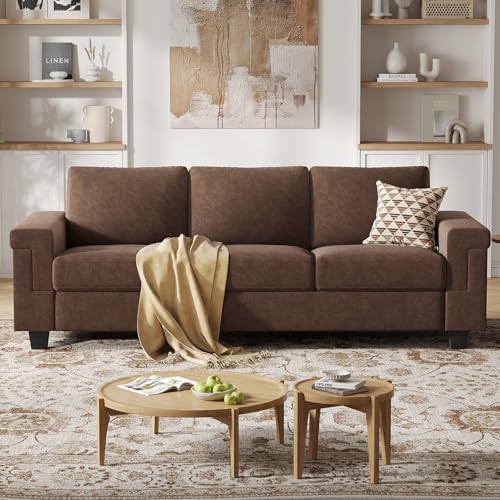
Select pieces that reflect personal style while ensuring functionality. I focus on two key aspects: size and purpose. Measure available space meticulously; oversized items can overwhelm, while too-small selections might diminish visual impact.
Consider lifestyle needs. A family with children would benefit from durable surfaces that are easy to clean, whereas a single professional might prefer sleek designs that maximize minimal spaces. I always weigh practicality against aesthetics to find a harmonious balance.
Research materials extensively. Ethically sourced wood, durable fabrics, and sustainable options often provide longevity. Investing in quality directly correlates with better maintenance and satisfaction over time.


Lastly, envision the layout. I often create simple sketches or mood boards to visualize how selected items interact within the environment. This approach has proven beneficial in preventing costly mistakes and ensuring a cohesive look.
Selecting Ideal Pieces
Prioritize comfort and practicality. Try sitting or lying on items in stores to gauge their coziness. Ensure that chairs and sofas support your body correctly and make daily activities easy. Consider the flow in your space; aim for dimensions that promote ease of movement without crowding.
Balancing Style and Function
Assess personal taste against functionality. Minimalist designs often work better in smaller areas, whereas larger spaces can accommodate bolder, statement-making items. Ensure that color palettes and textures harmonize with existing décor and contribute to a cohesive atmosphere.
Material Choices
Think about durability and maintenance. Natural materials like hardwood or leather tend to last longer, but they may require more upkeep. Synthetic options might be easier to clean but could lack the same appeal. Evaluate potential wear and tear based on lifestyle, such as pets or children, before deciding.
Assessing Your Space: Measuring and Planning Layout
Begin with accurate measurements. Use a tape measure to determine the dimensions of each room, noting the length and width. Record door and window placements, as well as any architectural features like columns or fireplaces that may impact arrangements.
Next, create a scaled floor plan. Utilize graph paper or digital tools to sketch your space, ensuring proportions remain true to size. This visual representation serves as a crucial reference during arrangement attempts.
Consider traffic flow. Identify pathways for movement and ensure ample space for traversing common areas. Typically, a minimum of 24 inches should remain clear for walking. Avoid obstructing paths with large pieces that may hinder mobility.
Incorporate scale. Take into account not just the measurements of pieces, but their visual weight. A bulky sofa may overwhelm a small room while delicate items can feel lost in expansive spaces. Maintain balance between large and small elements.
Experiment with layout. Use cutouts or templates representing each item, allowing for easy rearrangement without heavy lifting. Feel free to try different configurations until the most harmonious alignment emerges.
Lastly, include additional elements like rugs and lighting in your planning. They play a significant role in defining spaces and enhancing atmosphere. Consider how these elements can complement your arrangement, creating a cohesive environment.
Identifying Your Style: Defining Personal Aesthetics
Begin with visual inspiration. Browse through magazines and digital platforms to collect images that resonate. Create a mood board featuring styles, colors, and textures that catch your eye. This process helps in identifying patterns in preferences.
Consider existing elements within the space. Take note of colors, materials, and architectural details. Integrating new pieces that complement these aspects ensures a cohesive feel. Choose materials with characteristics that reflect personal preferences, such as warmth in wood or sleekness in metal.
Evaluate lifestyle needs. If entertaining is a priority, opt for versatile seating arrangements and surfaces that can accommodate gatherings. For a tranquil environment, select calming color palettes and soft furnishings that promote relaxation.
Explore diverse styles. Familiarize yourself with terminology like minimalist, bohemian, mid-century modern, or industrial. Understanding these categories can guide preferences and inform purchasing decisions. Experimenting with different styles in a small area can clarify what works best.
Prioritize comfort as much as aesthetics. While visual appeal is important, functionality must align with personal taste. Test pieces for comfort and usability before committing to a purchase.
Seek feedback from trusted friends or family. Sharing ideas can yield new perspectives, while their impressions may highlight areas not previously considered.
Finally, stay true to personal aesthetics throughout the selection process. Authenticity creates a space that feels genuinely yours, reflecting individuality and style preferences. Adapt and evolve as you discover more about your taste, ensuring a dynamic yet cohesive living environment.
Choosing Materials: Durability and Maintenance Considerations
Opt for hardwoods like oak or maple when selecting pieces intended for longevity. Their resilience against wear and tear outmatches softer options such as pine.
Fabric Choices for Upholstery
For upholstered items, explore synthetic fabrics such as polyester or nylon, which offer stain resistance and easy cleaning. Natural fibers like cotton and linen feel luxurious but may require more frequent upkeep.
Surface Materials
When considering surfaces, laminate provides excellent scratch and moisture resistance, making it ideal for high-traffic areas. Stone or quartz delivers a sophisticated look while ensuring durability, perfect for kitchens and dining areas.
Always factor in general maintenance expectations alongside durability. Regular care, such as applying furniture polish or using suitable cleaners, can extend the life of any selection significantly.
Be conscious of environmental impact; materials like reclaimed wood and bamboo are not only stylish but also sustainable options that enhance aesthetic appeal while supporting eco-friendliness.
Incorporating a variety of textures and finishes results in unique character, but balancing these choices with maintenance ease guarantees satisfaction over time. Prioritizing durability and care requirements leads to rewarding investments in any living space.
Understanding Functionality: Prioritizing Needs and Usage
My priority is evaluating how each item will be utilized daily. Consider these aspects:
- Daily Activities: List routines involving socializing, working, or relaxing. This will guide which pieces are necessary.
- Space Multi-functionality: Opt for items that serve multiple purposes, such as a coffee table that offers storage or a sleeper sofa for guests.
- Occupancy: Assess how many people regularly use the space. A larger family may require robust seating or expansive dining solutions.
- Comfort Levels: Identify what comfort means personally. Some require supportive seating while others prioritize plush cushioning.
- Maintenance Requirements: Consider how much time can be dedicated to upkeep. Low-maintenance materials save time and effort.
After identifying needs, test options in-store or through samples. This helps visualize how potential acquisitions fit into daily life.
Lastly, reflect on future changes. If I anticipate a change in lifestyle or family size, select flexible options that can adapt accordingly.
Setting a Budget: Balancing Quality and Affordability
Establishing a budget is non-negotiable when selecting home furnishings. Begin with a realistic total that accounts for all items needed. Prioritize major categories such as seating, tables, and beds, and allocate specific amounts based on research and desired quality.
Allocate Funds Wisely
Consider dividing the total budget into percentages to guide spending:
- 40% for key items (sofas, dining sets, beds)
- 30% for smaller pieces (accent chairs, side tables)
- 20% for decor (art, cushions, rugs)
- 10% for incidental expenses (delivery, assembly)
This structured approach promotes balanced decision-making between cost and durability.
Invest in Longevity
Quality often comes at a higher price, but it can be more economical over time. Research brands known for durability, and explore reviews to understand the lifespan of materials. Upholstered pieces may require a higher initial outlay, yet a well-constructed sofa can last years compared to cheaper alternatives.
Consider second-hand market options. Antique shops or online platforms like Craigslist or Facebook Marketplace can yield high-quality items at reduced prices. Just verify condition and potential restoration costs.
Applying a strategic mindset to budget matters allows for a rewarding blend of economic sense and aesthetic appeal.
Shopping Smart: Tips for Comparing Options and Deals
Initially, I focus on defining key aspects that matter before exploring different outlets. Establishing a clear set of criteria allows me to refine my search and avoid impulsive decisions.
Research and Review
Conduct thorough research on various brands and models. I utilize online platforms to read customer reviews and watch video presentations. This helps me gauge quality and functionality better than static images or brief descriptions.
Additionally, I compare retailers across multiple platforms. Using price comparison websites allows me to see the best offers available at a glance, which saves time and ensures I don’t miss promotional deals. I also keep an eye out for seasonal sales and discounts that might be more beneficial.
Inspection and Warranty
Whenever possible, I physically inspect items in-store. Evaluating sturdiness, comfort, and aesthetics ensures they meet my criteria. I never shy away from asking questions about warranty terms; understanding this can affect long-term satisfaction with my purchases.
| Feature | Physical Inspection | Online Buying |
|---|---|---|
| Quality Assessment | Direct touch and feel | Customer ratings and reviews |
| Negotiation | Possible with sales staff | May not be available |
| Return Policy | Immediate discussion | Check terms beforehand |
Organizing all details in a spreadsheet helps track expenses, dimensions, and styles. This approach simplifies decision-making and allows me to visualize how different pieces harmonize within the space.


