
 Caleb Turner

Prioritize safety by opting for materials that are non-toxic and hypoallergenic. Look for items that meet strict safety standards to ensure a healthy environment for your little one.
Consider the layout carefully. Aim for a functional design that maximizes space. Multifunctional pieces, such as cribs that convert to toddler beds, can adapt as your child grows.
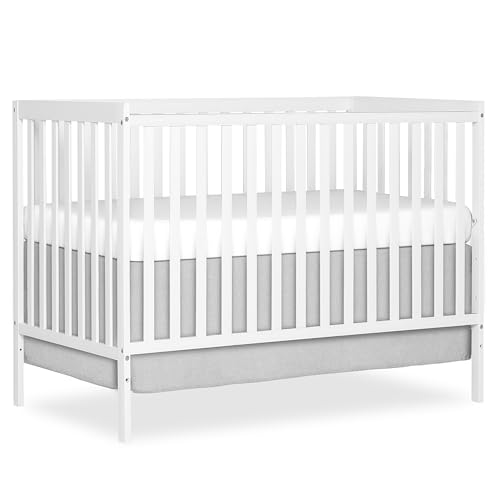


Be mindful of the color palette. Soft, calming hues can promote relaxation. Incorporating playful elements can stimulate creativity but should be balanced with neutral tones for a serene atmosphere.
Storage solutions play a vital role in maintaining organization. Select units that are sturdy and accessible, allowing for easy cleanup while encouraging independence as your child learns to manage their belongings.
Finally, test the durability. High-quality craftsmanship will withstand the wear and tear of daily use, ensuring that the selected items remain practical over time and can even transition through various stages of your child’s development.
Guidelines for Selecting Essentials in a Baby’s Room
Opt for multifunctional items to maximize space efficiency. Look for cribs that convert to toddler beds or changing tables that incorporate storage. These versatile pieces grow with your child, minimizing future purchases.
Pay attention to material safety. Select non-toxic finishes and sturdy constructs to ensure durability and child safety. Look for certifications such as Greenguard Gold or similar standards to confirm that materials meet safety protocols.
Establish a layout before purchasing. Create a floor plan that allows for easy movement and accessibility. Consider placing the crib away from windows to avoid direct sunlight and drafts, while ensuring changing stations are easily accessible to minimize strain during diaper changes.
Use a color palette that promotes calmness. Soft pastels or neutral tones help create a soothing atmosphere conducive to rest and relaxation. You can incorporate accents in brighter colors through toys and décor that can be easily changed as your child’s tastes evolve.
| Furniture Piece | Functionality | Safety Features |
|---|---|---|
| Convertible Crib | Grows with the child | Non-toxic finishes |
| Changing Table with Storage | Storage for essentials | Sturdy construction |
| Rocking Chair or Glider | Comfort during feeding | Stable base to prevent tipping |
Incorporate storage solutions to maintain organization. Utilize baskets, shelves, and dressers to prevent clutter, making it easier to find items quickly. Labels can aid in future organization efforts as your child grows.
Evaluate ease of cleaning. Materials that withstand spills and can be wiped down are ideal; consider removable covers for soft seating. This maintenance aspect can save time and effort during busy moments.
Assessing the Space Available for Nursery Furniture
Measure the dimensions of the room before purchasing any items. Utilize a tape measure to confirm height, width, and depth. This information will guide selections that fit without overcrowding.
Layout Considerations
Visualize the arrangement by sketching a floor plan or using design software. Prioritize areas needed for movement and accessibility:
- Designate a play zone where the little one can explore safely.
- Ensure there’s enough room for changing tables and cribs with surrounding space for comfort.
- Plan for storage solutions that keep essentials within arm’s reach while maintaining an organized area.
Scale and Proportion
Opt for pieces that maintain a balanced look. Large items can make a space feel cramped, while smaller ones may appear lost. Keep these points in mind:
- Consider multifunctional items, such as cribs that convert into beds, to maximize utility.
- Select storage that fits the available height, using vertical space without overwhelming the environment.
- Avoid heavy materials and dark colors in small rooms to maintain an airy feel.
By precisely examining dimensions and planning the layout judiciously, it becomes straightforward to create a welcoming and functional environment.
Selecting Safe and Non-Toxic Materials
Prioritize products crafted from natural, organic materials such as solid wood, cotton, and wool. These options typically contain fewer harmful chemicals compared to synthetic alternatives. For example, look for items made from hardwood like maple or oak, which not only provide durability but also lack harmful finishes.
Verify that paint and finishes are free from volatile organic compounds (VOCs). Choose water-based options, as they emit fewer toxins and are safer for indoor environments. Certifications from reputable organizations, such as Greenguard or the Forest Stewardship Council (FSC), can offer reassurance regarding environmental impact and safety standards.
Focus on textiles that are certified organic. Fabrics treated with synthetic pesticides or flame retardants may release toxins. Opt for items labeled as GOTS (Global Organic Textile Standard) certified, ensuring that the entire production process is environmentally friendly and safe.
Consider your desired level of maintenance as well. Some materials, like bamboo, are naturally resistant to bacteria and mold, requiring less chemical cleaning. Selecting options that withstand wear and tear while minimizing the need for chemical treatments is advisable.
Conduct thorough research on any brand or product. Reviews and third-party testing outcomes can provide insights into the safety of the materials used. Engaging with manufacturers directly for details on sourcing practices may also eliminate concerns about quality and safety.
Choosing Functional and Multi-Purpose Items
Opt for pieces that adapt to changing needs. A crib that converts into a toddler bed offers longevity. Consider a changing table that transforms into a dresser, maximizing space efficiency.
Space-Saving Solutions
Utilize vertical storage options like shelving units. These can help organize toys, books, and essentials, keeping the floor area open for play. Under-crib storage bins can be effective for stowing away extra linens or seasonal clothing.
Multi-Functional Seating
Incorporate seating that doubles as storage. Ottomans or benches with internal compartments can provide extra seating while helping to manage clutter. Bean bags are another versatile option, easy to move around and comfortable for both children and adults.
| Item | Function | Benefits |
|---|---|---|
| Convertible Crib | Infant bed to toddler bed | Long-lasting investment |
| Changing Table/Dresser | Changing station to storage unit | Maximizes utility |
| Storage Ottoman | Seating and hidden storage | Declutters space |
| Bookshelf | Store books and toys | Encourages organization |
These selections ensure practicality while enhancing the layout of the room, allowing for a modern and functional children’s space. Staying mindful of versatility will help maintain a clutter-free environment as needs evolve.
Prioritizing Comfort for Both Baby and Parents
Choosing a crib with an adjustable mattress height has proven beneficial for my back during those countless nighttime feedings. A model that allows for different settings enables ease of access, reducing strain while placing the baby in and out. I recommend selecting a crib that transitions from a crib to a toddler bed, which extends its usability and comfort level.
Soft Seating Options
An ergonomic rocking chair or glider is a practical addition. I found that opting for one with ample cushioning and lumbar support not only soothes the baby but also provides relief during long hours spent in the room. Look for models with removable and washable covers for convenience during spills and messes.
Temperature Control
Maintaining a comfortable climate is vital. Investing in breathable textiles for bedding and upholstery helps regulate warmth. Consider window treatments that allow for light control while ensuring privacy and insulation, which can enhance comfort during daylight naps. Additionally, a reliable humidifier can aid in creating a pleasant atmosphere.
Including storage solutions that are easily accessible makes a significant difference in managing supplies. A well-organized space reduces the chaos, allowing both baby and caregiver to thrive in a serene environment. Prioritizing both comfort and practicality leads to a more enjoyable experience during these precious early years.
Incorporating Adjustable Options for Growth
Select items with adjustable features to extend their lifespan and adaptability. Cribs that convert into toddler beds can save money, transforming with the child’s needs. Look for changing tables that can be used as dressers later, maximizing functionality.
Height-Adjustable Seating
Select rocking chairs or gliders with adjustable height options, ensuring comfort for parents during feedings and bonding moments. These seats can accommodate various heights and preferences, enhancing ergonomics and usability.
Modular Storage Systems
Utilize modular shelving and storage solutions that can be rearranged or expanded as the child grows. This approach offers flexibility in organizing toys, books, and clothes, evolving alongside developmental stages.
Choosing a Timeless Style that Complements Your Home
Opt for classic designs that seamlessly integrate with existing decor. Pieces in neutral shades or soft pastel tones provide versatility and longevity, allowing for easy updates as tastes evolve.
- Consider traditional elements like spindle cribs or mission-style chairs, which resonate with various aesthetics.
- Incorporate materials such as wood and natural fibers. These choices not only enhance durability but also convey warmth and charm over time.
- Look for modular items that can adapt as needs change. This includes bookcases that serve multiple purposes or changing tables that can transition into dressers.
Maintaining consistency with the rest of your residence creates cohesion. Aim for pieces that echo the broader theme of your home–whether it leans toward modern minimalism or classic elegance.
- Analyze your home’s color palette and select accents that complement these hues.
- Pay attention to the scale of the items; ensure proportions work harmoniously with surrounding spaces.
- Invest in timeless accessories, such as vintage toys or handcrafted decorations, that imbue character while remaining stylish across generations.
Incorporate subtle decorative elements, such as soft textures and decorative pillows, which can enhance comfort without overwhelming the space. Ultimately, the goal is to curate an environment that is both functional and pleasing to the eye, enriching your home for years to come.
Setting a Budget and Sticking to It
Define a clear spending limit before shopping. This will prevent impulse buys and ensure that all chosen items align with financial plans.
Here’s a breakdown of how to effectively manage expenses:
- List Priorities: Identify key pieces like cribs, changing tables, and dressers. Allocate more budget toward essential items.
- Research Prices: Explore various retailers and compare prices. Online platforms can provide insights into average market costs.
- Consider Second-Hand: Gently used items can offer significant savings. Check local listings or stores specializing in pre-owned products.
- Set a Cushion: Reserve a small portion of the budget for unexpected expenses or last-minute changes.
- Track Spending: Keep receipts and maintain a record of purchases to avoid overspending. Utilize budget tracking apps for convenience.
Implementing these strategies will help maintain financial discipline while creating a comfortable and stylish environment for the little one. By adhering to established limits, balancing quality and cost will be more achievable.
Considering Storage Solutions for Nursery Essentials
Opt for multifunctional pieces that serve dual purposes. For instance, a changing table with built-in shelves maximizes space, allowing you to keep essentials close at hand. Look for containers and bins that fit neatly into these units, making organization straightforward and efficient.
Utilize Vertical Space
Wall-mounted shelves are an excellent way to free up floor area while providing stylish storage options for books and toys. Explore the use of hooks or pegboards for hanging items like hats, diaper bags, or decorations. This helps keep the room tidy and enhances accessibility.
Incorporate Baskets and Soft Storage
Soft baskets are an appealing option for storing items that need to be within reach, yet organized. Opt for those that match the room’s theme to create a cohesive look. Consider under-crib storage for keeping less frequently used items, which can help keep the main space uncluttered.
Investing in a mix of open and closed storage solutions allows for flexibility as the child grows. This approach can help transition the area from baby needs to toddler playtime and beyond, ensuring practicality throughout its evolution.


