Caleb Turner

To maintain the pristine look of your revitalized pieces, it’s crucial to apply a protective wax or topcoat after the finish has dried completely. This step not only enhances durability but also gives a subtle sheen, adding to the overall aesthetic.
Keep surfaces clean by using a damp cloth for regular dusting. Avoid harsh chemicals or abrasive materials that can damage the finish. For tougher stains, a gentle solution of soap and water works effectively, ensuring you wipe correctly afterward to prevent moisture absorption.
When moving items, lift them instead of dragging to prevent scratches. Placing felt pads under legs can alleviate wear on floors and provide stability. Consider keeping your pieces away from direct sunlight and excessive humidity, as these factors may lead to color fading and damage over time.
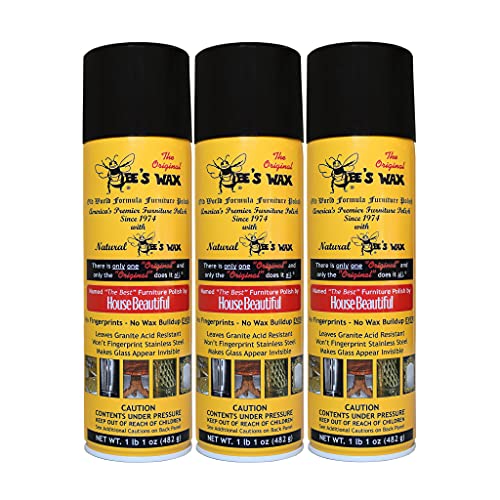

If you notice scuffs or damage, don’t hesitate to touch up with matching paint or wax to keep your décor looking fresh. Regular maintenance can significantly extend the lifespan of your beautifully transformed objects.
Maintenance Tips for Distressed Decorative Pieces
To safeguard the finish, I recommend applying a thin layer of furniture wax every 6-12 months. This process enhances the sheen and protects against scratches.
For spills, blot the area quickly with a soft cloth. Avoid harsh cleaning agents; instead, use a mild soap diluted in water. Wipe gently without soaking the surface.
When moving items, lift rather than dragging to prevent chipping. Always use coasters and mats to avert damage from heat and moisture.
Sunlight can fade colors, so strategically position your items away from direct rays. Consider using window treatments to minimize exposure.
To handle scuffs, lightly sand the affected area with fine-grit sandpaper before reapplying a matching top coat. This gives the piece a refreshed look.
Regular dusting with a soft, dry cloth helps maintain the surface’s appearance. Avoid using abrasive materials that could mar the finish.
| Tip | Frequency |
|---|---|
| Apply wax | Every 6-12 months |
| Dust items | Weekly |
| Check for scuffs | Monthly |
| Inspect for fading | Seasonally |
Choosing the Right Finish for Protection
Select a durable topcoat to ensure longevity and resilience of your surface. Polycrylic or water-based polyurethane works well, offering clarity and protection without altering the color.
Types of Finishes
- Matte Finish: Ideal for a soft, natural look. It provides a subtle sheen while offering decent protection against wear.
- Satin Finish: Strikes a balance between sheen and durability. It enhances colors while protecting against scratches.
- Gloss Finish: Offers maximum protection and is easy to clean. However, it may be more reflective than other finishes.
Application Tips
- Apply a thin coat and allow it to dry completely before adding another layer. This ensures an even application and reduces the risk of bubbles.
- Use a high-quality synthetic brush or foam applicator for a smooth finish.
- Lightly sand between coats for better adhesion and a polished result.
Testing a small area can help determine the desired finish and ease of application. This simple step ensures satisfaction with the final result, preserving the unique character of your piece.
Cleaning Techniques for Chalk Painted Surfaces
Soapsuds combined with water work wonders on these surfaces. I mix a few drops of mild dish soap in warm water to create a gentle cleaning solution. A soft cloth or sponge dampened with this mixture effectively removes dirt and grime without damaging the finish.
For tougher stains, I opt for a mixture of vinegar and water. A one-to-one ratio in a spray bottle allows for convenient application. I spray onto the affected area, let it sit for a minute, and then wipe with a clean cloth. This method effortlessly loosens stains while leaving surfaces refreshed.
If I encounter marks from furniture or scuffing, a magic eraser is my go-to tool. Lightly dampening the eraser and gently rubbing the marks usually does the trick without harming the underlying layer.
For regular maintenance, I recommend dusting with a microfiber cloth weekly. This simple step helps to keep surfaces looking pristine, as it prevents the build-up of dust and dirt.
Always allow surfaces to dry completely after cleaning. Moisture can diminish the integrity of the coat, leading to potential issues down the line.
Avoid using any abrasive cleaners or scrubbers, as they can create scratches and compromise the beautiful finish. Opting for gentle, non-toxic products ensures longevity and sustains the allure of the texture.
Repairing Scratches and Scuffs on Chalk Paint
To effectively restore minor damage, I first clean the affected area with a soft, damp cloth to remove any dust or residue. Once dry, I assess the scratch or scuff to determine the best approach.
If the mark is shallow, I use a fine-grit sandpaper to gently smooth the area, being careful not to distress the surrounding surface. Following that, I apply a small amount of matching finish with a brush or cloth, feathering the edges to blend seamlessly.
For deeper scratches, a touch-up paint or a carefully mixed color that matches the original hue works wonders. I use a small brush to apply it directly into the scratch, ensuring I stay within the lines of the damaged area. After the paint dries, I lightly sand again for an even finish.
In instances where the surface shows noticeable wear, I can simply apply a fresh coat of sealant, which can also enhance the overall appearance. This adds protection while revitalizing the color.
Always finish by buffing the repaired section gently with a clean, soft cloth to ensure it matches the rest of the surface. Regular attention to these little blemishes helps prolong the pristine condition of the piece.
How to Safeguard Against Water Damage
Applying a water-resistant sealer is paramount. I recommend using a high-quality polyurethane or wax specifically designed to create a protective barrier against moisture.
Preventative Measures
- Place coasters under drinks to avoid direct contact with liquids.
- Avoid positioning items in high humidity areas, like bathrooms or kitchens, without additional protection.
- Use tablecloths or protective mats during gatherings to minimize risks from spills.
Immediate Response to Spills
- Quickly blot spills with a clean, dry cloth to absorb moisture.
- Avoid rubbing, as this may drive liquid deeper into the surface.
- After blotting, ensure the area is dried completely to prevent moisture retention.
Regularly inspect for signs of damage, such as discoloration or warping. Address issues immediately to prevent further degradation.
Maintaining Color and Texture of Chalk Paint
Regularly applying a clear wax or sealer helps preserve the original hue and finish of the surface. I recommend using a soft cloth to buff the surface after application to enhance its luster and protect against fading.
For textured surfaces, consider a gentle approach during cleaning. A soft brush can effectively remove dust without damaging the finish. Avoid harsh chemicals; they can alter both color and feel. Instead, opt for a mild soap solution when needed.
Direct sunlight can cause colors to fade. If possible, position your piece away from direct light sources, or use curtains to filter sunlight. This simple adjustment can significantly prolong the vibrancy of the tones.
Humidity and extreme temperatures can also affect the finish. Keeping the environment stable will help maintain the integrity of the applied layers. Use a dehumidifier in damp areas, and avoid placing items in rooms with drastic temperature fluctuations.
In case of any discoloration or wear, gently sand the affected area and apply a matching layer of paint. This method ensures the texture remains consistent while restoring the appearance. Always test on a small area before proceeding with repairs.
Storing Furniture to Avoid Damage
Choosing the right storage environment is critical. I ensure that the area is climate-controlled to limit temperature fluctuations and humidity that can warp or damage surfaces. A stable environment promotes longevity.
Protective Wrapping
I wrap each piece using breathable materials, such as cotton sheets or moving blankets. This prevents dust accumulation while allowing air circulation, reducing the chance of mildew or moisture buildup.
Proper Stacking Techniques
When it comes to positioning, I avoid stacking items directly on top of one another. Instead, I utilize shelves or stands to maintain space between pieces, minimizing the risk of scratches or dents. Additionally, I ensure that the most delicate pieces are stored on top to prevent crushing.