Caleb Turner
First, measure the length and width of each item you want to assess, using a tape measure for accuracy. For instance, if a table is 3 feet long and 2 feet wide, multiply these dimensions together: 3 x 2 = 6. This means the table occupies 6 units in total.
Next, apply the same method for all other pieces. Convert any measurements into the same units if necessary, especially when combining multiple objects in a shared space. For example, some pieces might be listed in inches while others in feet, which could lead to inconsistencies in your calculations.
Lastly, compile each calculated area to understand how much space the items collectively cover. Organizing this information will help in designing your room layout more effectively, ensuring you maximize the area while maintaining a functional environment.


Calculating Area for Your Items
I measure the length and width of each piece in inches. The formula for area involves multiplying these measurements. For example, if a chair is 30 inches long and 24 inches wide, the equation appears as follows: 30 x 24 = 720 square inches.
To convert this value to a more manageable size, divide by 144 since there are 144 square inches in a square foot. So, 720 ÷ 144 equals 5 square feet, simplifying the comparison with other pieces.
Consider the layout of your space; take into account any additional space needed for movement around each item. Creating a table can streamline this process:
| Item | Length (inches) | Width (inches) | Area (square inches) | Area (square feet) |
|---|---|---|---|---|
| Chair | 30 | 24 | 720 | 5 |
| Table | 60 | 36 | 2160 | 15 |
| Sofa | 80 | 36 | 2880 | 20 |
By following this method for each item, I gain valuable insights into space utilization, helping me arrange my environment effectively.
Selecting the Right Measuring Tools
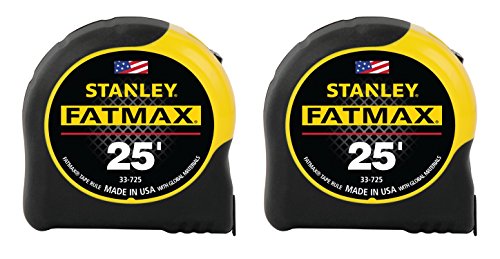
For accuracy, I recommend using a tape measure for most measurements. Opt for one that extends at least 25 feet, which covers a wide range of dimensions without risking inaccuracies. A retractable tape can be more manageable in tight spaces.
If I’m measuring larger items or spaces, I choose a laser distance measurer. This device provides quick and precise readings with minimal effort, ideal for those hard-to-reach areas.
A carpenter’s square is invaluable for checking the corners of rectangular pieces, ensuring everything is aligned correctly. This tool is particularly helpful when working with items that have varying angles or complex shapes.
Additionally, a notepad or a digital app helps me keep track of my measurements. I jot down lengths and widths immediately to prevent confusion later on. If using an app, I pick one that allows voice recording for instant notes.
Finally, a combination square can assist in various tasks, providing both angle measurements and straight lengths. This versatile tool allows for greater flexibility when assessing unconventional pieces.
Understanding Dimensions: Length and Width
The precise measurements of items greatly impact spatial planning. Begin by determining the length and width of each piece. For rectangles or squares, measure from edge to edge using a tape measure, ensuring you account for any protrusions or irregularities.
When considering length, extend from one end to the other along the longest side. To establish the width, switch orientation and measure across the shorter side. If an object features curves or intricate designs, identify the widest and longest points to secure accurate readings.
It’s effective to jot down measurements immediately after each is taken to prevent any loss of data. Utilize a soft cloth to clean surfaces beforehand, ensuring the tape measure adheres properly for more accurate readings.
For items with multiple components or features–such as shelving units–measure each section independently to compile a comprehensive overview. This detailed approach helps when arranging pieces in a given space, allowing for optimal fit and comfort.
After gathering lengths and widths, proceed to the next stage of your planning by considering how these dimensions interact within the designated room. Take into account pathways and access points to maintain flow and functionality.
Calculating Area for Rectangular Pieces
To determine the area of rectangular items, multiply the length by the width. For instance, if a table measures 72 inches long and 36 inches wide, the formula is straightforward: 72 x 36 gives 2,592 square inches. To convert this figure to a more manageable unit, divide by 144 (the number of square inches in a square foot), resulting in 18 square feet.
Example Calculation
Consider a bookshelf that measures 48 inches in height and 30 inches in width. Applying the same method: 48 x 30 results in 1,440 square inches. Dividing by 144 yields 10 square feet. Thus, I know the space requirement for placing this item.
Utilizing Measurement Tools
Using a tape measure ensures accuracy. Always measure to the nearest eighth of an inch to account for slight variations. For precision, check measurements twice, especially when dealing with larger sizes to confirm the correct calculations.
Measuring Irregularly Shaped Pieces
For irregularly shaped items, I’d recommend breaking the shape down into smaller, manageable parts. Identify the major sections and treat them as individual rectangles or circles. Measure the dimensions of each segment carefully, noting their lengths and widths.
Applying the Area Formula
Use appropriate formulas for area calculation: individually for rectangles (length × width) and for circles (π × radius²). Add the areas of all segments together to find the total area. For example, if one section is rectangular and another circular, compute each area and sum them for a complete measurement.
Using Graph Paper for Accuracy
For complex outlines, sketch the item on graph paper. Each square can represent a specific measurement, helping visualize and calculate the overall area. Count the number of squares that fit within the drawn outline. This method enhances precision and provides a clear visualization of the dimensions.
Considering Multi-Layered Furniture Designs
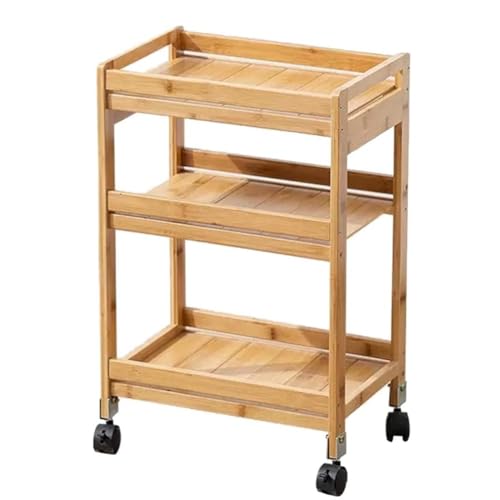
For designs that feature multiple layers, assessing space utilization is key. Begin by measuring each layer individually to capture the entirety of the structure. Document the length and width for every component, and then combine these measurements accurately.
Layer Measurement Techniques
- Identify each layer of the design, noting height differences or variances in width.
- Use a flexible measuring tape for contours and curves, ensuring precise tracking of the boundaries.
- For stackable elements, consider the overall footprint rather than focusing solely on the top layer.
Calculating for Complex Designs
When layers intersect, it’s beneficial to visualize them as distinct sections. Break down the furniture into manageable parts:
- For a layered sofa, measure each section separately. Width of the base, height of cushions, and any surrounding framing.
- Compile the total area for every segment to get a cumulative measurement.
- If applicable, account for spaces between layers. These gaps may affect the overall footprint.
Additionally, if the design incorporates movable pieces, assess how these elements interact within the overall space. Document each layer’s impact on accessibility and arrangement options for future placements.
Estimating Square Feet for Upholstered Items
For upholstered pieces like sofas and chairs, I focus on key dimensions: length and width. Measure the widest point of the item to capture its full size. If the piece has any rounded edges or unusual shapes, I’ll use a flexible measuring tape to get an accurate figure.
Once I have the length and width, I multiply these two numbers to determine the area it occupies. If the design includes cushions or removable parts, I account for those separately, as they can affect the overall space needed.
Special Cases for Contoured Designs
For contoured or irregularly shaped upholstery, I recommend breaking the shape down into simpler sections. For instance, divide a curvy sofa into rectangles and triangles. Measure each section, calculate their areas, and sum them for the total space. Sketching out these shapes can aid in visualizing and measuring accurately.
Layered Upholstery Analysis
In multi-layered designs, like sectional sofas or beds with headboards, I examine each layer individually. I ensure that all components are measured – from cushions to legroom – to capture the complete footprint. This method guarantees an accurate understanding of how much space the item requires in a room.
Accounting for Space Around Furniture
Always allocate additional room surrounding each piece, enhancing both accessibility and the overall visual appeal of the area. A minimum of 18 inches is advisable between items to allow for free movement. For dining sets, approximately 24 to 30 inches should be available from the edge of the table to adjacent walls or other pieces, ensuring comfortable seating and easy passage.
In the case of living spaces, I recommend maintaining at least 30 inches of clear space for pathways, promoting a fluid flow between rooms. This consideration is particularly crucial in high-traffic zones. Additionally, if incorporating large items like sectional sofas, evaluate the arrangement to prevent crowding and maintain a balanced look.
When planning layouts, factor in the height and mass of each item. Visual weight influences perception; thus, placing dark or bulky items against lighter backgrounds can create an illusion of more space. For a cohesive design, align furniture pieces to create defined zones, ensuring adequate breathing room between different sections.
Don’t forget about flexible solutions. Options like nesting tables or modular seating can be adjusted to meet varying needs, allowing for more efficient use of the available area. Coordinate the size and shape of smaller pieces to complement larger items without overwhelming the space.
Advise against filling the area edge-to-edge, as empty spaces can provide visual relief and reduce clutter, promoting a more organized look. Lastly, regularly reassess the arrangement to adapt to lifestyle changes, ensuring long-term functionality and enjoyment of the living environment.
Using Online Calculators for Quick Estimations
Utilizing online calculators streamlines the process of measuring space occupied by interior decorations. I find these tools invaluable for their speed and convenience.
Benefits of Online Tools
- Instant Results: Input dimensions, and receive immediate calculations, eliminating the need for manual computations.
- User-Friendly Interfaces: Most platforms offer straightforward layouts, making them accessible even for those less familiar with technology.
- Versatility: These calculators can handle various shapes and configurations, accommodating different designs smoothly.
How to Use Them Effectively
- Identify the type of calculator needed based on the shape of the item.
- Accurately enter the measurements in the provided fields; double-check for accuracy.
- Review the results displayed and consider adjustments for surrounding areas or additional features.
These resources can significantly reduce the time spent on estimating dimensions, allowing for more focus on styling and arrangement. Keep bookmarks for your favorite calculators to enhance the measuring process further.