Caleb Turner

Establish a business plan that outlines your objectives, target market, and product offerings. Focus on understanding the demographics of your potential clients, including retailers, designers, and online marketplaces. Research prevailing trends in interior design and customer preferences to align your inventory accordingly.
Identify reliable suppliers who can provide high-quality merchandise at competitive prices. Build relationships with manufacturers and distributors to ensure a steady flow of products and to negotiate better deals. Attend furniture trade shows to discover new items and establish connections within the industry.


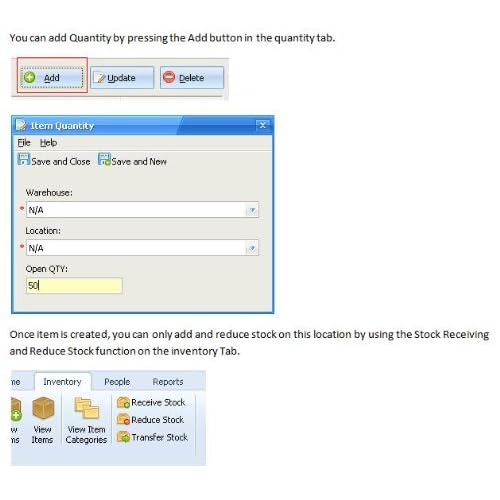
Invest in an efficient inventory management system to keep track of stock levels, sales trends, and customer demands. This will allow you to adjust your purchasing strategy and ensure that you meet market needs without overextending your resources.
Develop a robust online presence by creating a professional website that showcases your products and services. Utilize social media platforms to reach a broader audience and engage with potential customers. Consider implementing an e-commerce solution to streamline sales and provide convenience for your buyers.
Network within the industry by joining associations and participating in forums. Continuous learning and staying updated on sector-specific innovations will enhance your credibility and position in the competitive landscape.
Understanding the Furniture Wholesale Business Model
Focus on establishing strong relationships with manufacturers and retailers. Negotiate favorable terms that allow for margin flexibility while ensuring product quality and reliability.
Leverage market research to identify trending styles and materials; it’s essential to stay ahead of consumer preferences. Building a diverse catalog can cater to various demographic segments, increasing sales opportunities.
Utilize a straightforward pricing strategy. Implement tiered pricing to encourage bulk purchases while maintaining competitive rates. Regularly evaluate costs, from production to logistics, to maximize profitability.
Develop an efficient supply chain. Collaborate with logistics partners for timely deliveries and reduced shipping costs. Regular communication with suppliers will help anticipate inventory needs and avoid stockouts.
| Aspect | Details |
|---|---|
| Relationships | Engage with suppliers and clients for better deals. |
| Market Trends | Research and adapt to changing consumer preferences. |
| Pricing Strategy | Implement competitive and tiered pricing. |
| Supply Chain | Optimize logistics for cost and time efficiency. |
Invest in technology for inventory management and order processing. Utilize software solutions to streamline operations, reduce errors, and enhance customer service.
Regularly evaluate performance metrics. Analyzing sales data and customer feedback guides strategic decisions and helps optimize your offerings for maximum appeal.
Identifying Your Target Market and Niche
Research demographics in your area to pinpoint customer preferences. Consider age, income level, and lifestyle choices. Evaluate trends in home design that resonate with specific groups, such as millennials leaning towards minimalism or families seeking durable, functional pieces.
Analyze competitors to find gaps in the offerings. Visiting local showrooms and attending trade shows can provide insights into what products are popular and what’s lacking. Pay attention to feedback from customers to refine your approach.
Utilize social media analytics to assess which styles garner interest. Platforms like Instagram and Pinterest can reveal popular designs and materials among various subsets of consumers. Create engaging content showcasing products that align with these preferences.
Joining industry networks and forums allows for discussions with fellow distributors. Networking provides opportunities to learn from others’ experiences and identify emerging markets that may not be saturated yet.
Finally, develop buyer personas to clarify who your ideal customer is. This should include their buying habits, preferences, and pain points. Tailoring your marketing strategies to these personas will help in better targeting your audience and optimizing product selection.
Researching Suppliers and Manufacturers
I focus on developing a robust list of suppliers and manufacturers to ensure a diverse inventory. First, I evaluate potential partners through online directories like ThomasNet and Maker’s Row, which provide comprehensive databases of verified manufacturers. This enables me to filter results based on specific needs, such as material type or product category.
I also attend industry trade shows such as NeoCon and High Point Market. These events allow me to engage directly with manufacturers and observe product quality firsthand. Networking with industry insiders at these fairs often leads to discovering unique suppliers that may not be easily found online.
Building a good rapport with suppliers is key. I initiate contact with potential partners via email or phone, clearly articulating my business model and needs. I inquire about minimum order quantities, lead times, and payment terms to ensure compatibility with my business operations. A well-structured list of specific questions helps in assessing their readiness to collaborate effectively.
Additionally, I conduct thorough background checks to validate the reliability of each manufacturer. This includes reviewing online testimonials, checking their standing with the Better Business Bureau, and seeking feedback from past clients to confirm their credibility.
Negotiating prices is crucial. I aim to secure favorable terms, including bulk discounts and flexible payment options. Having a clear budget helps me in engaging with suppliers while maintaining a sustainable profit margin.
Lastly, I keep track of trends in material sourcing, as sustainable and eco-friendly productions gain momentum. Engaging with manufacturers who prioritize sustainability not only aligns with market demands but also enhances my brand’s reputation.
Establishing a Compelling Brand Identity
To forge a strong brand identity, I focused on creating a unique value proposition that distinguishes my offerings from competitors. I identified the core attributes that represent my business, such as quality, style, and sustainability, and crafted a concise mission statement encapsulating these values.
A memorable logo and cohesive visual style are integral to brand recognition. I hired a designer to create a logo that resonates with my target audience, ensuring it reflects the tone and aesthetic of my inventory.
Consistent branding across all platforms is critical. I maintained uniformity in color schemes, typography, and messaging across my website, social media channels, and packaging. This approach strengthens brand recall and builds trust with customers.
I also focused on storytelling to humanize my brand. Sharing my journey, the inspiration behind my product selections, and customer success stories fosters a connection. Using social media to engage with clients and showcase my collection helped in building a community around my brand.
Regular feedback from customers is invaluable. I actively seek reviews and testimonials to refine my offerings and address any issues promptly. This commitment to improvement reflects a customer-centric ethos that enhances my brand’s image.
Collaboration with influencers and interior designers amplified my reach. By aligning with personalities who resonate with my target market, I gained credibility and attracted a broader clientele.
Finally, I ensure my messaging adapts to emerging trends without straying from my core identity. This agility allows me to remain relevant while maintaining a strong brand presence that resonates with my audience.
Creating an Efficient Inventory Management System
I implement a robust inventory management system that integrates seamlessly with sales and supply chain processes. Utilizing software solutions tailored to my business needs streamlines tracking stock levels, orders, and deliveries. I recommend investing in a reliable inventory management platform that automates data entry, minimizes errors, and provides real-time visibility.
Inventory Categorization
Organizing products into clear categories enhances retrieval and management. I categorize items based on factors such as type, style, and supplier, ensuring a streamlined system that allows quick access and accurate reporting. This categorization aids in understanding which items are bestsellers and which require review or discontinuation.
Regular Stock Audits
Conducting periodic stock audits is essential for maintaining accuracy. I schedule quarterly assessments to compare physical inventory against system records. This practice helps identify discrepancies, ensuring that financial and operational forecasting remains reliable. An active monitoring approach prevents stockouts and overstock situations, promoting a balanced inventory.
Incorporating alerts for low stock levels into my management system helps optimize reorder points. By setting these parameters based on sales trends and seasonality, I ensure that supply meets demand without excess inventory burdening operational costs. Additionally, utilizing data analytics to gain insights on purchasing patterns aids in making informed decisions about future orders.
Finally, I prioritize building strong relationships with suppliers to establish effective communication channels for rapid order fulfillment and issue resolution. Timely updates on stock availability and lead times can significantly enhance the overall efficiency of my operations.
Setting Up a Professional Sales and Marketing Strategy
Develop a multi-channel approach that integrates both online and offline tactics. Start with a strong online presence, utilizing an eCommerce platform to showcase your offerings. Utilize SEO strategies to enhance visibility on search engines, ensuring customers can easily find your brand.
Online Marketing Tactics
- Social Media Marketing: Leverage platforms such as Instagram and Facebook to display products through engaging content. Utilize targeted ads to reach potential buyers within specific demographics.
- Email Campaigns: Create automated email sequences to nurture leads and maintain engagement. Highlight new arrivals and special promotions to encourage repeat business.
- Content Marketing: Publish blog posts or articles related to interior design or style tips, positioning your enterprise as an authority in the sector, driving traffic to your site.
Offline Marketing Tactics
- Trade Shows: Participate in industry events to showcase merchandise and network with potential clients. These venues provide opportunities to create lasting business connections and gain direct feedback.
- Local Marketing: Collaborate with local businesses or interior designers to reach potential customers. Consider targeted print advertising in community newsletters or magazines.
- Direct Selling: Engage in direct selling by visiting potential clients or retailers. Prepare a physical catalog or sample materials to facilitate on-the-spot orders.
Play with promotional strategies like discounts, bundles, or loyalty programs to incentivize customers. Collect data on purchasing patterns to refine your marketing efforts continuously. Lastly, ensure to establish a consistent brand message across all channels to build recognition and trust.
Navigating Legal Requirements and Licenses
I recommend first researching local regulations and industry standards that affect my business. Registering a distinctive business name with the appropriate state authorities is necessary. This establishes a brand and ensures protection against legal disputes.
Licensing and Permits
Acquiring the correct licenses is non-negotiable. A business license is typically required, and in some regions, a sales tax permit or reseller’s permit may also be needed. I check with my local government or business development office to gather complete information on the specific permissions I must obtain.
Handling Taxes and Compliance
Understanding tax obligations is crucial. I consult a tax professional to navigate complex sales tax regulations and ensure compliance with federal and state tax laws. Implementing proper accounting practices helps monitor revenues and expenditures, simplifying tax reporting and meeting legal requirements.
Building Strong Relationships with Retailers
To establish solid connections with retailers, prioritize open communication. Regularly check in with your partners to discuss their needs, challenges, and any market changes that could impact your collaboration.
- Schedule consistent meetings, whether in-person or virtually, to build rapport.
- Listen attentively to feedback and be prepared to make adjustments based on their input.
Develop a partnership approach instead of a transactional one. Share valuable insights about consumer trends and industry data that can help retailers make informed decisions. This transparency will foster trust and loyalty.
- Offer exclusive promotions or discounts to your retail partners to incentivize long-term collaboration.
- Encourage them to share marketing strategies that work, creating a symbiotic relationship.
Stay responsive. If a retailer has a question or concern, address it promptly to demonstrate your commitment to their success.
Utilize technology to streamline communication. Maintain a user-friendly portal for order management and inventory updates, enabling retailers to access information easily.
Finally, consider hosting networking events or workshops to strengthen community ties within your network of retailers. This builds camaraderie and enhances collaborative opportunities.