
 Caleb Turner
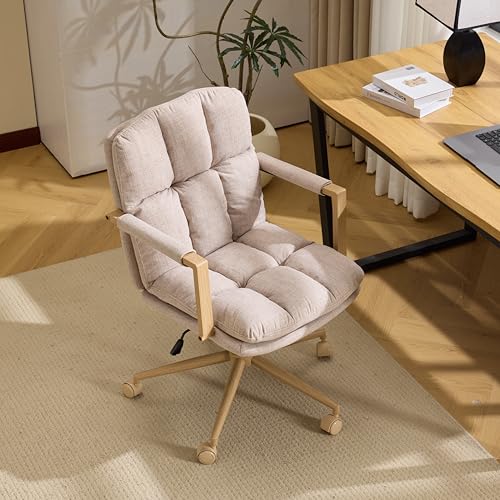
Upgrade your workspace by prioritizing ergonomics and adaptability. Research shows that comfortable seating and adjustable desks can significantly enhance productivity and employee well-being. Consider options that allow users to easily switch between sitting and standing throughout the day.
Aim for multifunctionality in your selections. Modular pieces that can be reconfigured for different tasks or team sizes are gaining popularity. This flexibility not only maximizes space efficiency but also fosters collaboration among team members.


Incorporate biophilic aspects to improve overall ambiance. Natural elements, such as plants and materials that mimic organic textures, have been shown to boost creativity and reduce stress levels. Look for designs that seamlessly integrate these features for a cohesive atmosphere.
Lastly, be mindful of sustainability. Opt for products made from recycled materials or those that utilize environmentally friendly manufacturing processes. This commitment resonates with employees who value corporate responsibility, making your workplace not just functional but also aligned with modern ethical standards.
Advancements in Workplace Essentials
Incorporating multifunctionality is paramount. Today’s workspace solutions must serve various purposes–offering comfort, collaboration, and individual productivity. For instance, incorporating desks that transition from sitting to standing not only promotes health but adapts to different working styles.
Material Trends
Sustainable materials are increasingly significant in creation. Opting for recycled or responsibly sourced components showcases a commitment to environmental preservation. Bamboo and reclaimed wood are excellent choices that resonate with eco-conscious professionals.
- Choose textiles that are easy to clean and maintain.
- Consider lightweight materials for easy rearrangement of setups.
Technology Integration
Incorporating tech features within the workspace is vital. Integrated charging ports and smart technology enhance functionality. I recommend furniture that includes cable management systems to keep surfaces tidy and organized.
- Seek solutions that feature built-in wireless charging stations.
- Look for items with adjustable seating options that sync with personal devices.
Being conscious of acoustic needs improves focus. Solutions such as sound-absorbing panels or “quiet zones” using partitions can transform an environment into a more productive and comforting space.
Trends in Sustainable Office Furniture Materials
Choosing eco-friendly materials is a priority for modern work environments. Bamboo stands out due to its rapid growth and renewability, making it a favorite for desks and seating options. I’ve observed that walnut and maple are gaining popularity, especially when sourced from certified forests, ensuring responsible management.
Recycled plastics have become increasingly prevalent, offering durability while reducing landfill impact. Many brands are now using PET fabrics made from recycled bottles, which effectively blend aesthetics and sustainability. It’s impressive how these materials can mimic the look of traditional fabrics while being environmentally friendly.
Additionally, biodegradable composites are emerging, blending organic materials like mycelium with fibers to create strong, lightweight products. This innovation allows for furniture that decomposes at the end of its life cycle, significantly minimizing waste compared to conventional options.
Another substantial trend includes the use of non-toxic finishes, which enhance the healthfulness of indoor spaces. Many manufacturers are opting for low-VOC (volatile organic compounds) and water-based coatings, contributing to better air quality in workplaces.
Embracing local sourcing also plays a crucial role. By selecting regional materials, businesses can reduce transportation emissions and support local economies. This practice not only cuts down on carbon footprint but also nurtures community ties.
In summary, prioritizing sustainable materials like bamboo, recycled plastics, biodegradable composites, non-toxic finishes, and locally sourced products is essential. These practices not only benefit our planet but also enhance the overall experience within professional settings.
Impact of Remote Work on Office Layout and Furniture
Adapting to remote work demands flexible configurations that prioritize collaboration and comfort. Modular seating arrangements and movable partitions can create dynamic spaces that can change based on team needs. I recommend using lightweight, mobile desks that easily rearrange for various work styles. This setup encourages spontaneous collaboration while maintaining individual focus areas.
Incorporate multifunctional elements, such as storage solutions that can serve as dividers. This approach optimizes the utility of available space and supports diverse tasks, ensuring adaptability for both in-person and remote staff. Integrating technology, such as built-in charging ports and cable management solutions, is critical for maintaining seamless connectivity and productivity.
Choosing ergonomic seating that promotes wellness is non-negotiable. Adjustable chairs help accommodate users of different heights and preferences while responding to longer hours spent on video calls. Also, standing desks or desk converters allow for healthier posture variations throughout the day.
Lastly, consider incorporating biophilic elements. Natural light and greenery not only enhance aesthetics but significantly boost mood and productivity. Investing in these features not only improves employee well-being but also reflects a modern approach to space utilization in hybrid work environments.
Biophilic Design: Bringing Nature into the Workplace
Incorporating elements of nature into the work environment not only enhances aesthetics but also promotes well-being and productivity. Consider introducing live plants, which have been shown to improve air quality and reduce stress levels. A variety of greenery, including potted plants, vertical gardens, or even curated outdoor spaces can create a calming atmosphere.
Natural Light and Material Choices
Utilize large windows, skylights, and glass walls to maximize natural light. Research indicates that exposure to daylight can improve mood and energy levels. Pair this with the use of natural materials like wood, stone, and wool to create a warm, inviting setting that mimics outdoor conditions.
Nature-Inspired Colors and Shapes
Opt for color palettes inspired by the outdoors. Shades of green, blue, and earth tones can help to evoke a sense of tranquility. Additionally, consider furniture with organic shapes, which reflect the natural world and can create a more relaxed setting. This approach encourages creativity and collaboration among team members.
Ergonomics in Modern Office Solutions
Consider adjustable standing desks as a primary solution. Research indicates that alternating between sitting and standing can reduce discomfort and boost productivity. Aim for desks that allow height adjustments with ease, ensuring different body types can find comfort.
Task seating is another critical aspect. Look for chairs that offer lumbar support, adjustable armrests, and seat depth adjustments. Features that promote proper posture can help alleviate chronic issues associated with prolonged sitting. A recommendation is to choose chairs that have a range of adjustments, providing flexibility in fit for various users.
In addition to furniture, incorporate accessories that enhance workspace ergonomics. Items such as keyboard trays, monitor risers, and footrests can create a more aligned workspace, minimizing strain on the body. Ensure that monitors are positioned at eye level, reducing neck strain, while keeping keyboard and mouse within a natural reach to prevent overextension of the arms.
| Furniture Type | Recommended Features |
|---|---|
| Standing Desk | Electric height adjustment, stability, spacious work surface |
| Task Chair | Adjustable lumbar support, seat height adjustment, breathable material |
| Monitor Stand | Adjustable heights, cable management, sturdy construction |
| Keyboard Tray | Adjustable tilt, glide feature, easy installation |
| Footrest | Height adjustable, non-slip surface, comfortable material |
Investing in such elements not only fosters well-being but positively influences efficiency and morale. Prioritize ergonomic principles for both current and future setups to enhance workplace satisfaction and health. Keeping these considerations in mind can lead to significant improvements in day-to-day operations and overall workplace atmosphere.
The Role of Technology in Furniture Design Innovations
Integrating smart technology into work environments is crucial. For instance, incorporating IoT devices can transform traditional workstations into interactive hubs. Desks equipped with sensors can adjust height based on user preferences, promoting better posture and comfort.
Utilizing augmented reality during the selection process enhances user experience. Customers can visualize how specific pieces complement their space before purchase, reducing discrepancies and ensuring satisfaction.
3D printing is revolutionizing production capabilities. Customized solutions can be manufactured efficiently, meeting the specific needs of users. This not only minimizes waste but also opens the door for unique, personalized creations.
Data analytics plays a vital role in understanding user preferences. By collecting feedback on furniture performance and comfort, manufacturers can quickly adapt offerings to meet evolving demands, ensuring relevance in the market.
Advanced materials, such as self-cleaning surfaces and antimicrobial coatings, are becoming standard. These innovations enhance hygiene and durability, a necessity in today’s health-conscious environment.
Collaboration tools integrated into desks promote teamwork and streamline communication. These features facilitate real-time interaction among team members, fostering a more cohesive work environment.
Incorporating these technological advancements ensures that the work environment is not just functional but also adaptable to future needs.
Adaptable Workspaces: Flexible Furniture Options
I recommend incorporating modular seating arrangements that adjust to various group sizes and activities, allowing teams to easily reconfigure their work areas throughout the day.
- Desks on Wheels: Opt for mobile workstations that can be easily moved and reconfigured. This encourages spontaneous collaboration and accommodates different workflow preferences.
- Height-Adjustable Systems: Invest in desks that can easily transition between sitting and standing positions. This caters to diverse work styles and promotes healthy movement.
- Multi-Use Pieces: Select furniture like convertible tables that can shift from a collaborative space to a private one. This adaptability ensures meeting spaces remain functional and comfortable.
- Smart Storage Solutions: Utilize furniture that combines workstation and storage elements. This declutters the environment and makes optimal use of available space.
Encourage the use of acoustic partitions that enhance privacy while still allowing for visual openness, enabling workers to customize their environments according to their tasks.
- Soft Seating: Implement lounge areas with flexible seating options that allow for informal meetings and downtime. Comfortable settings enhance creativity.
- Collaborative Tools: Equip your space with movable whiteboards and projector stands that can be positioned as needed. This encourages fluid brainstorming sessions.
Investing in adaptable solutions drives productivity and engagement, meeting the diverse demands of a dynamic work culture.
Color Psychology in Office Furniture Choices
Choosing hues for seating and workspace items should align with the psychological effects that colors have on mood and productivity. For instance, blue promotes calmness and concentration, making it ideal for areas requiring focus. Shades of green enhance creativity and collaboration, which can energize environments intended for teamwork.
Warm vs. Cool Tones
Warm tones, like red and orange, can stimulate energy and enthusiasm but may also cause stress if overused. Strategically integrating these colors in accents or communal spaces can invigorate interactions. Conversely, cool tones such as cyan and light gray can enhance clarity and tranquility, making them suitable for individual workstations.
Neutral Shades and Their Benefits
Neutral colors provide versatility and can serve as a backdrop for more vibrant accents. They create a cohesive and professional atmosphere while minimizing distractions. Choosing beiges, whites, or soft grays allows the introduction of lively elements without overwhelming the senses, optimizing the work environment for various tasks.
Future of Collaborative Spaces and Furniture Design
Integrating movable partitions allows teams to quickly adjust environments for group activities or quiet focus sessions. The use of lightweight, modular pieces fosters versatility, enabling seamless reconfiguration based on project needs.
Incorporating smart technology into shared settings enhances connectivity. Think built-in charging stations, interactive displays, and integrated audio systems for effortless collaboration. These innovations support hybrid teams effectively, bridging gaps between remote and in-person workers.
Acoustic solutions are paramount. Utilizing sound-absorbing materials can significantly reduce noise, improving concentration and comfort in communal areas. Designers should prioritize options that blend aesthetics with acoustic performance, creating inviting atmospheres.
Emphasizing natural elements remains critical. Incorporating organic shapes, sustainable materials, and greenery encourages a soothing ambiance, boosting creativity. Assessing how light interacts with these spaces will also enhance the overall experience.
Inclusive designs are non-negotiable. Creating spaces that accommodate diverse working styles and physical needs without compromising visual appeal promotes a sense of belonging and productivity among all personnel.
FAQ:
How is office furniture design influenced by current trends?
Office furniture design is being shaped by various trends that reflect changes in work culture and technology. For instance, the rise of remote work has prompted designers to create versatile pieces that cater to both home and traditional office environments. Sustainability also plays a significant role, with manufacturers increasingly using eco-friendly materials and production methods to appeal to environmentally conscious consumers. Additionally, ergonomic designs that prioritize comfort and health are becoming more prevalent, addressing the growing awareness of workplace wellness.
What role does technology play in modern office furniture design?
Technology is integral to the design of modern office furniture. Many pieces now incorporate smart features, such as built-in charging ports and connectivity options that allow for easy integration with devices. Adjustable desks, which can transition between sitting and standing, are becoming popular, often enhanced with sensors that track user habits and promote better posture. This integration not only improves functionality but also reflects a shift towards a more dynamic workplace that accommodates various work styles and enhances productivity.
What are some key features to look for in contemporary office furniture?
When selecting contemporary office furniture, there are several key features to consider. First, prioritize ergonomic designs that enhance comfort and reduce strain. Look for adjustable elements, such as chairs with lumbar support and desks that accommodate standing positions. Additionally, focus on modular designs that allow for flexibility in layout and can adapt to changing work needs. Lastly, consider aesthetic elements that reflect your brand’s identity, as well as sustainable materials that align with environmental considerations.
How has the shift to remote work affected office furniture trends?
The shift to remote work has dramatically influenced office furniture trends by prioritizing adaptability and functionality in home office setups. Many individuals seek furniture that is compact yet multifunctional, allowing for efficient use of limited space. Designers are responding with stylish solutions that blend seamlessly into home environments while offering the necessary features for productivity. Moreover, aesthetics have become increasingly important as workers desire spaces that inspire creativity and comfort, prompting manufacturers to create pieces that reflect personal style while serving practical needs.


