
 Caleb Turner

When considering the option of keeping your belongings in a facility, anticipate expenses ranging from $50 to $300. This spectrum largely hinges on the size of the unit and the geographical location of the service provider.
For a smaller space of about 5×5 feet, expect fees around $50 to $100 monthly. If you need a medium-sized area, approximately 10×10 feet, the cost typically escalates to $100 to $200. Larger units, such as 10×20 feet, can set you back between $150 and $300.
A dual comparison of local versus national providers suggests that regional options often outpace big-name companies in affordability. Always inquire about promotional offers to potentially reduce your commitment. Additionally, evaluate the features included with the price; some services provide climate control for sensitive items, which could justify higher rates.
Cost of Storing Household Items Monthly
Rates oscillate based on dimensions and location, typically lying between $50 and $300. Prices can differ based on local demand and the specific amenities of the facility.

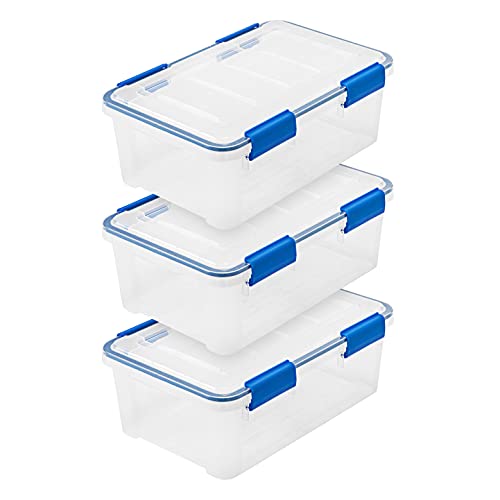
For a clear understanding, here’s a breakdown of average charges based on size:
| Size (Square Feet) | Average Cost |
|---|---|
| 5×5 | $50 – $75 |
| 10×10 | $100 – $150 |
| 10×15 | $150 – $200 |
| 10×20 | $200 – $300 |
Additional factors impacting the expense include climate control, security features, and accessibility. Facilities with enhanced security or climate management typically charge a premium.
Consider seeking out promotions or long-term agreements for potential discounts. Many establishments provide reduced rates for extended commitments, which could yield significant savings over time.
Evaluate contents carefully; only necessary items should occupy space to help minimize expenditures. Taking inventory will guide optimal choices and prevent unwarranted costs.
Factors Influencing Monthly Storage Costs
Size of the space has a direct impact on what I pay monthly. Choosing a smaller unit can significantly lower expenses. I often consider the dimensions of the items I need to keep and measure the total volume to find an appropriately sized area.
Location
The geographical position of the facility also plays a role. Urban locations tend to charge more than rural ones. Costs can vary by city; I’ve noticed that some metropolitan areas come with a premium for convenience.
Additional Services
Include any extra services that may affect my budget. Some facilities offer climate control, which is beneficial for sensitive items but adds to the bill. Furthermore, access hours and security options can also influence my choice and overall payment.
Comparing Prices of Different Storage Facilities
In assessing various options for stashing belongings, I found considerable price variations. Local listings reveal that small units range from $50 to $200, while larger spaces can demand between $150 and $450, depending on location and size. Metropolitan areas typically charge premium rates compared to rural settings.
Features Affecting Cost
Additional features such as climate control can escalate prices by 20% to 50%. Security measures like monitored access and on-site staff may also influence rates, sometimes adding $30 to $100 to the monthly fee. It’s wise to ask about discounts for long-term rentals, which some facilities offer.
Comparative Examples
For instance, a facility in a suburban region quoted $120 for a 10×10 unit without climate control, whereas a competitor in the city listed a similar unit at $250–with temperature regulation–reflecting the urban premium. Always check for promotions or referral discounts that can lower costs.
Before committing, visit several locations; the experience can vary greatly. Evaluating each facility’s security and accessibility is as important as price, ensuring value beyond mere numbers. Collecting information from multiple places enables me to make an informed choice that aligns with both budgetary needs and personal requirements.
Understanding Size Requirements for Furniture Storage
Assess dimensions before choosing a unit. Measure each item, including height, width, and depth. This ensures the selected space accommodates your belongings without cramming. A standard 10×10 unit typically holds the contents of a one-bedroom apartment. For larger pieces, consider options like 10×15 or 10×20 units, especially for significantly sized items such as sofas or dining tables.
Consider vertical space. Tall shelves can store items above ground level, effectively using air space. For appliances or bulky items, prioritize width and depth. Ensure pathways are clear for easy access to all belongings.
Plan for packing efficiency. Utilize boxes and bubble wrap for delicate items, stacking them strategically. Optimize corners with smaller items and furniture accessories to minimize wasted space. This planning can reduce the required dimensions of the unit.
Finally, factor in climate control if storing sensitive materials, such as natural wood or textiles. This consideration might mean budgeting for a different size unit that offers climate control features.
Insurance Options for Stored Furniture
For safeguarding belongings in a self-storage facility, I strongly recommend considering various insurance plans. Starting with rental insurance, many providers offer customizable coverage to protect against damage or theft.
Another option is specialized storage insurance, which comprehensively covers goods in a unit, ensuring financial recovery from loss or damage. It’s advisable to compare policies based on coverage limits and deductible amounts.
Additionally, homeowner’s or renter’s insurance may extend to off-site properties. Checking policy specifics with my insurer will confirm whether personal belongings in a storage unit are included.
Assessing my specific needs–such as the value of the items and risk factors–will help determine the level of protection required. Reviewing storage facility requirements is also essential, as some may include mandatory insurance in their agreements.
Documentation is critical; I make sure to keep an inventory list alongside photographs of items stored, which can facilitate claims if necessary.
Lastly, understanding the terms and conditions of the chosen insurance empowers me to make informed decisions, ensuring peace of mind while my possessions are kept away.
Cost-Saving Tips for Furniture Storage
Using alternative solutions for storage can significantly reduce expenses. Consider the following methods:
- Share Space: Team up with friends or family needing storage. Splitting costs makes it affordable for everyone.
- Negotiate Rates: Engage with managers at facilities for potential discounts, especially during off-peak seasons.
- Utilize Seasonal Promotions: Look for promotional offers during specific times of the year, like summer or holidays.
- Packing Wisely: Disassemble larger items to save space, allowing you to choose smaller spaces, cutting costs.
Choose the Right Location
Proximity can impact pricing. Facilities farther from urban centers may offer lower rates. Always check neighborhood prices to identify better deals.
Funding Options
Investigate diverse funding approaches such as payment plans, which some storage centers offer. This can lighten the burden of a full payment upfront.
Communication with staff will often result in finding better options and savings. It’s beneficial to ask questions and be proactive in discussing available alternatives.
Hidden Fees to Watch Out For in Storage Contracts
Always read the fine print of any agreement. Additional charges can add up quickly, impacting your total expenses significantly.
Common Additional Charges
- Admin Fees: Some facilities charge a one-time administrative fee upon signing the contract.
- Security Deposit: Be prepared for an upfront deposit that may or may not be refundable.
- Insurance Premiums: Beyond basic coverage, extra protection often comes at an additional cost.
- Late Payment Fees: Missing a payment deadline can result in hefty penalties.
- Access Fees: Certain locations may charge for after-hours access to your belongings.
Negotiation Opportunities
Don’t hesitate to ask about waiving some fees. Many places are open to negotiation, especially if you commit to a long-term agreement.
Lastly, consider comparing multiple contracts to identify any outliers in pricing. This could help you spot hidden fees that might otherwise go unnoticed. Being proactive and diligent can save you a substantial amount over time.


